












Houseplants are often cherished for their ability to purify indoor air, elevate home décor, and bring nature closer to our everyday lives. They brighten our spaces, reduce stress, and even improve mood. However, despite their beauty and calming presence, not all indoor plants are as harmless as they appear. Some houseplants contain toxic compounds that can cause irritation, allergic reactions, or even severe health issues if accidentally ingested or touched.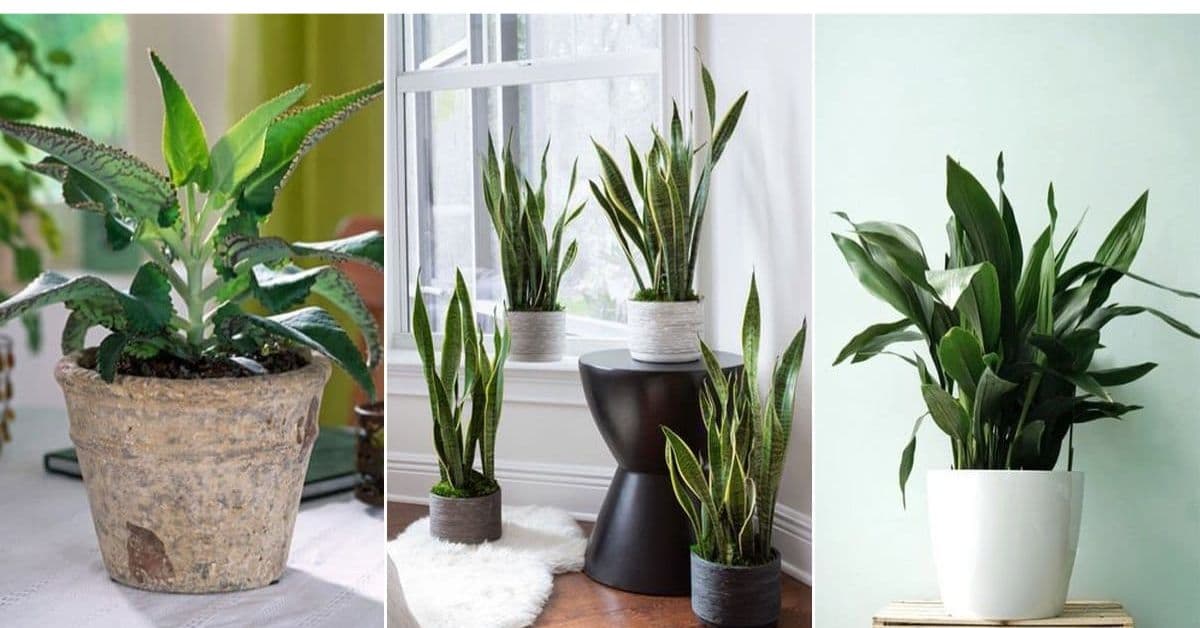
Understanding which plants pose potential risks is crucial—especially for households with children, pets, or individuals with sensitive health conditions. Below is an in-depth look at ten common houseplants that may be dangerous and the reasons why you should handle them with caution.
1. Sansevieria (Mother-in-Law’s Tongue)
Sansevieria, widely known for its striking leaves and impressive air-purifying abilities, is a popular choice in many homes. Although it is generally safe to handle, it becomes problematic if chewed or ingested. Children and pets are especially vulnerable.
This plant contains natural chemical compounds that can irritate the digestive tract. Symptoms may include throat discomfort, nausea, and excessive salivation. While the plant looks elegant and low-maintenance, it is best to position it in places that are out of reach for curious little hands or household pets.
2. Hydrangea
Hydrangeas are beloved for their beautiful clusters of pastel flowers. However, few people are aware that consuming even a small portion of the plant can be dangerous. Its buds and leaves contain cyanogenic glycosides—compounds that can trigger stomach pain, diarrhea, and difficulty breathing if ingested.
In extreme cases, consuming large amounts may lead to more severe complications, including loss of consciousness. Although the plant poses minimal risk simply by being near it, families with small children or mischievous pets should carefully consider where to place it.
3. Aloe Vera
Aloe vera is one of the most well-known medicinal plants in the world. Its gel is widely used to soothe burns, moisturize skin, and promote healing. Yet, while its topical benefits are undeniable, ingesting the inner latex of the plant can cause issues.
Aloe latex has strong laxative properties and may irritate the digestive system. For humans, this can mean cramping or discomfort. For pets, however, the effects can be even more serious, potentially leading to dehydration or gastrointestinal distress.
It’s important to differentiate between external use, which is generally safe, and oral consumption, which should only be done with guidance and products specifically prepared for internal use.
4. Narcissus (Daffodil)
A symbol of spring and renewal, the daffodil is loved for its cheerful appearance. But beneath its beauty lies a toxic bulb containing alkaloids that can be harmful if eaten.
Ingesting parts of the plant—especially the bulbs—may cause nausea, elevated blood pressure, abdominal pain, or diarrhea. In very large quantities, severe complications can occur. For this reason, gardeners and homeowners should take care when handling daffodil bulbs and keep them away from children and animals.
5. Iris
The iris plant adds elegance and color to any home, yet it also carries potential risks. The rhizomes and sap contain irritating substances that can cause vomiting, fever, or skin inflammation upon contact or ingestion.
While the plant is not typically life-threatening, the discomfort it can trigger makes it important to avoid handling it without proper care. Washing hands after touching the plant is always recommended.
6. Hyacinth
Hyacinths are cherished for their fragrant blossoms, but like daffodils, they contain compounds that can irritate the digestive system. If eaten, they may trigger nausea or diarrhea. The bulbs are usually the most concentrated source of these irritants.
Pets, especially dogs, are attracted to digging in soil and may accidentally chew on bulbs. To prevent this, it’s wise to store bulbs safely and monitor household animals around potted hyacinths.
7. Dieffenbachia
Dieffenbachia, often referred to as “Dumb Cane,” is a very common indoor plant thanks to its lush green foliage and easy maintenance. Yet its sap contains calcium oxalate crystals—tiny, needle-like particles that can irritate the mouth, throat, and skin.
If a child or pet chews on the leaves, symptoms may include throat pain, swelling, or difficulty swallowing. While these reactions are typically temporary, they can be frightening and uncomfortable. Handling the plant with care and avoiding contact with its sap is essential.
8. Oleander
Among dangerous houseplants, oleander is one of the most toxic. Just a small amount of its leaves can pose significant risks to pets, and in rare cases, humans may also experience serious symptoms if they ingest any part of the plant.
Oleander contains natural cardiac glycosides, which may affect heart rhythm. Potential symptoms include weakness, dizziness, irregular heartbeat, or muscle relaxation. While the plant is undeniably beautiful, it must be handled with great caution and ideally kept out of indoor spaces where accidental ingestion is possible.
9. Spathiphyllum (Peace Lily)
Peace lilies are popular indoor plants thanks to their elegant white blooms and ability to thrive in low light. However, they may cause allergic reactions in some individuals.
If parts of the plant are accidentally ingested, more severe reactions can occur, including swelling of the tongue, lips, or throat. These symptoms require prompt attention, making it important to keep peace lilies away from children and pets who might chew on leaves.
10. English Ivy
English ivy is known for its rich green foliage and decorative trailing vines. Despite its appeal, the plant is toxic to both humans and animals. Contact with the plant or ingesting its leaves can lead to vomiting, breathing difficulties, or even paralysis in extreme cases.
Although English ivy is relatively safe when simply displayed in the home, ingestion is the primary concern. Ensuring that it remains out of reach or opting for non-toxic alternatives can help prevent accidental exposure.
Final Thoughts: Enjoy Houseplants Safely
Houseplants enrich our living spaces, but awareness is key to safe enjoyment. The plants listed above can remain in your home as long as you take reasonable precautions. Proper placement, safe handling, and attentive supervision of children and pets can significantly reduce risks.
Understanding potential dangers doesn’t mean avoiding these plants altogether—it simply means appreciating them responsibly. With a bit of knowledge and care, you can enjoy the beauty of nature indoors without compromising safety.
Vau.ge – Your Daily Guide for Practical Advice!
Vau.ge is a place where caring for your health, beauty, and daily routines becomes a natural, accessible, and enjoyable experience. Our main goal is to provide you with reliable information about natural remedies, homemade recipes, and practical tips that help you live a healthier life, look better, and simplify your everyday tasks without unnecessary expenses.
Our tips are easy to incorporate into your everyday life — whether it’s skincare, haircare, health-boosting remedies, or small tricks to save time. This knowledge will not only improve your own life but also allow you to share the experience with others, giving more people the chance to live a balanced life naturally and economically.
Please note: The articles on our website are for informational purposes only and do not replace professional medical advice. If you have serious health concerns, please consult a qualified specialist.