













Hormonal imbalance in women, hormone symptoms, estrogen imbalance, women’s health, signs of hormone imbalance, female hormones, progesterone levels, low estrogen symptoms, thyroid imbalance, hormone-related fatigue, irregular periods.
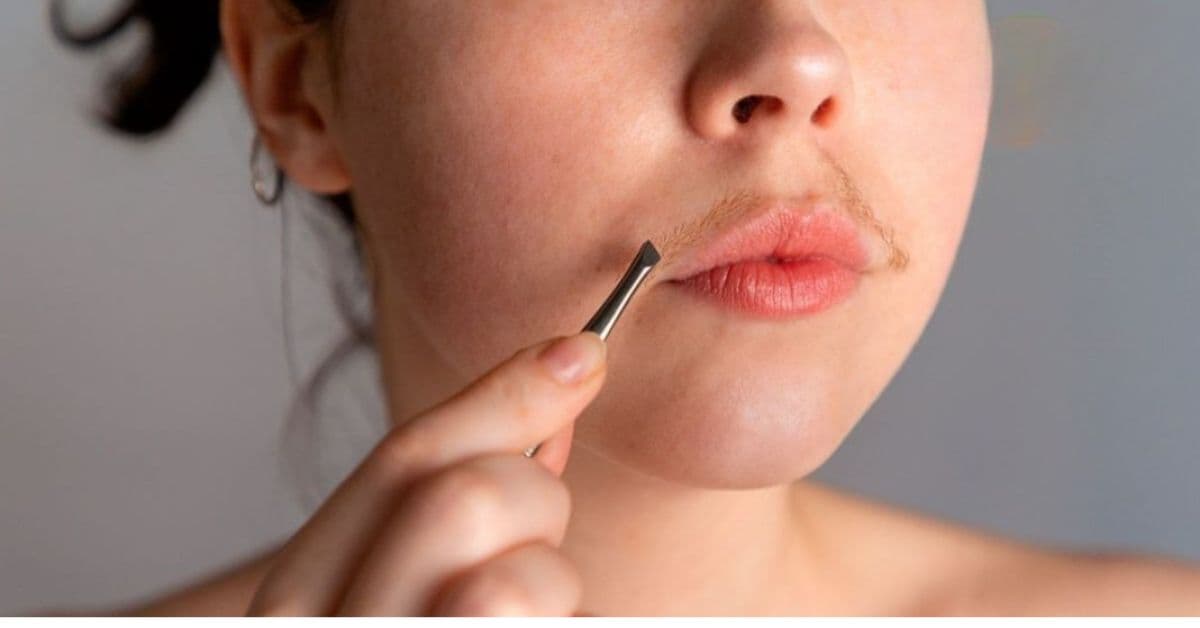
Hormonal imbalance in women is far more common than most people realize. Hormones control nearly every aspect of the body’s functioning—energy levels, sleep, mood, metabolism, digestion, fertility, and even how skin looks. Unfortunately, many early symptoms are subtle and easy to dismiss as stress, poor diet, or everyday exhaustion.
Yet recognizing the signs of hormonal imbalance early is essential. The sooner the imbalance is addressed, the easier it is to restore harmony and prevent long-term health complications. Below is a detailed, optimized guide to the 14 most common symptoms of hormonal imbalance that many women unknowingly ignore.
1. Chronic Fatigue That Doesn’t Improve With Rest
Constant tiredness, even after a full night’s sleep, is one of the most overlooked signs of hormonal imbalance. Low thyroid hormones, disrupted cortisol cycles, or shifting progesterone levels can all lead to persistent fatigue. If exhaustion becomes a daily companion, hormones—not lifestyle—may be the reason.
2. Insomnia or Difficulty Staying Asleep
Sleep problems often accompany hormonal disruptions. Estrogen and progesterone help regulate sleep cycles, while cortisol controls alertness. When these hormones fluctuate, women may find themselves struggling to fall asleep or waking up multiple times during the night. Persistent insomnia should always raise questions about hormonal health.
3. Forgetfulness, Brain Fog, and Poor Concentration
Many women blame stress for increased forgetfulness, but hormonal shifts—especially involving estrogen—strongly affect cognitive function. Brain fog, difficulty focusing, or memory lapses often signal underlying imbalance and shouldn’t be ignored.
4. Long-Lasting or Severe Acne
Hormonal acne, particularly around the jawline and chin, is a key sign of increased androgen activity or disrupted estrogen-progesterone balance. While occasional breakouts are normal, continuous acne is one of the strongest indicators of hormonal imbalance in women.
5. Digestive Issues and Unexplained Abdominal Discomfort
The gut is extremely sensitive to hormone levels. Fluctuations in estrogen and progesterone can cause bloating, abdominal pain, constipation, or cramps. If digestive symptoms repeatedly appear around the menstrual cycle or alongside other hormonal signs, imbalance is likely involved.
6. Frequent or Unexplained Headaches
Headaches and migraines—especially those that occur before menstruation—often stem from shifts in estrogen levels. Many women overlook this hormonal connection, but headache patterns frequently reveal deeper endocrine changes.
7. Noticeable Changes in Breast Tissue
Hormone-related breast changes include swelling, tenderness, or unusual lumps. While monthly fluctuations are normal, unexpected changes outside the menstrual cycle should prompt a professional checkup.
8. Irregular Menstrual Cycles
One of the clearest signs of hormonal imbalance is a disrupted menstrual cycle. Cycles that arrive too early, too late, or become increasingly unpredictable often point to thyroid dysfunction, PCOS, or progesterone deficiency. Regular cycles are a major indicator of hormonal stability, making irregularity an important warning sign.
9. Night Sweats and Hot Flashes
Many women associate hot flashes with menopause, but low estrogen levels or thyroid imbalances can cause night sweats at any age. If these symptoms appear suddenly or frequently, hormones are often the cause.
10. Sudden Mood Swings or Low Mood
Emotional instability—irritability, anxiety, sadness, or mood swings—may occur when estrogen, progesterone, serotonin, or dopamine levels shift. Hormonal mood changes are biological, not psychological weakness, and deserve proper attention.
11. Increased Hunger and Intense Cravings
Hormones such as insulin, leptin, cortisol, and ghrelin regulate hunger. When these hormones become unbalanced, appetite may spike unexpectedly. Constant cravings, especially for sugary or high-carb foods, are often a sign that hormones—not willpower—are driving the desire to eat.
12. Episodes of Diarrhea Alongside Other Symptoms
Diarrhea alone may not signal hormonal imbalance, but when paired with mood changes, fatigue, or irregular cycles, it can indicate the digestive system reacting to hormonal stress.
13. Vaginal Dryness and Discomfort
Frequent vaginal dryness is often linked to low estrogen levels. This symptom can affect comfort, intimacy, and overall well-being. Because it is highly treatable, recognizing it early makes a meaningful difference.
14. Low Libido
A drop in sexual desire is one of the most overlooked signs of hormonal imbalance. Low estrogen, low testosterone, elevated cortisol, or thyroid dysfunction can directly reduce libido. When the change is persistent, hormones are almost always involved.
Why Identifying These Hormonal Symptoms Matters
Ignoring hormonal imbalance can lead to long-term complications such as infertility, metabolic issues, thyroid disorders, chronic fatigue, and emotional instability. Because hormones regulate so many systems, even mild imbalance can ripple through the entire body.
Women often normalize symptoms like fatigue or mood swings, but doing so delays treatment. Understanding these warning signs is the first step toward restoring hormonal balance and protecting long-term health.
How to Improve Hormonal Balance
While professional evaluation is crucial, many lifestyle habits support healthier hormone levels, including:
- prioritizing high-quality sleep
- reducing stress
- eating a balanced, nutrient-rich diet
- avoiding processed sugar
- moderate physical activity
- regular medical checkups
These small changes often improve symptoms while helping identify deeper issues.
Final Thoughts
Hormonal imbalance in women is extremely common—but widely ignored. When multiple symptoms from this list appear at the same time, it’s usually the body’s way of asking for attention. Listening to these signals early can prevent bigger health problems and help restore balance before symptoms escalate.
Vau.ge – Your Daily Guide for Practical Advice!
Vau.ge is a place where caring for your health, beauty, and daily routines becomes a natural, accessible, and enjoyable experience. Our main goal is to provide you with reliable information about natural remedies, homemade recipes, and practical tips that help you live a healthier life, look better, and simplify your everyday tasks without unnecessary expenses.
Our tips are easy to incorporate into your everyday life — whether it’s skincare, haircare, health-boosting remedies, or small tricks to save time. This knowledge will not only improve your own life but also allow you to share the experience with others, giving more people the chance to live a balanced life naturally and economically.
Please note: The articles on our website are for informational purposes only and do not replace professional medical advice. If you have serious health concerns, please consult a qualified specialist.