









Blood flows through the vessels under a certain amount of pressure. This crucial process depends on several key factors, including the heart muscle’s ability to contract properly, the tone of the blood vessels, the pressure developed within them, the condition of the inner lining of the vessels, and the unique properties of the blood—especially its ability to clot.
A thrombus, or blood clot, is a thickened mass of blood that forms within blood vessels and disrupts the normal flow of circulation. When a clot develops, it can pose a serious health risk, especially if left undetected or untreated. Several factors increase the likelihood of developing a thrombus:
- When the heart muscle loses tone, and blood does not move efficiently through the vessels at the required speed.
- When the elasticity and tone of blood vessels decrease, due to aging, illness, or other conditions, and the blood itself becomes thicker or more prone to clotting.
Thrombosis can affect various organs, and the symptoms may differ depending on the area of the body involved. That’s why early recognition of the signs is essential—it could be lifesaving.
Common Symptoms of Thrombosis by Organ System
1. Thrombosis of the Heart and Large Blood Vessels
This condition is often characterized by:
- Chest pain or discomfort
- Irregular heartbeat (arrhythmia)
- An intense, often irrational fear of death
2. Pulmonary (Lung) Thrombosis
If a clot travels to the lungs, symptoms may include:
- Sharp, stabbing pain in the chest
- Shortness of breath or difficulty breathing
- Coughing up blood in severe cases
3. Intestinal (Bowel) Vascular Thrombosis
When blood flow to the intestines is compromised:
- Severe, cramping abdominal pain
- Vomiting
- Abdominal tension or bloating
4. Thrombosis in the Limbs
Blood clots in the arms or legs may cause:
- A feeling of heaviness or pain in the lower limbs, which can be sharp or dull
- Intermittent limping
- Swelling in the extremities
- Discomfort along the inner thigh
Natural Remedy for Thrombosis Prevention
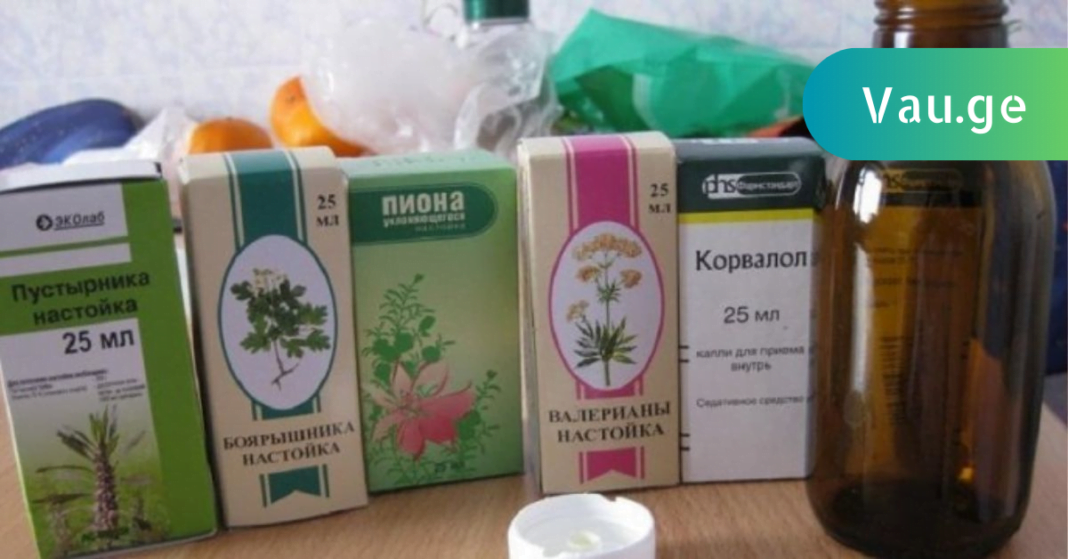
You can create a powerful tincture by mixing the following ingredients into a dark glass bottle, which helps preserve the medicinal properties. Here’s what you’ll need:
Pharmacy Tinctures:
- 100 ml of each: Motherwort, Valerian drops, Hawthorn extract, and Peony drops
- 50 ml Eucalyptus leaf tincture
- 25 ml Peppermint tincture
Additional Ingredients:
- Add 10 clove buds (whole, dried cloves – not powdered spice). Do not include cloves if you are sensitive or allergic.
- Optionally, you may add Corvalol (a calming heart remedy) as desired.
Once mixed, let the blend sit for 2 weeks in a cool, dark place before using. Shake well before each use.
How to Take It:
Drink 1 teaspoon of the tincture diluted in 1/3 cup of water, three times a day. Continue this for 10 days, twice a year, or as needed to maintain cardiovascular health.
Additional Health Benefits:
This natural remedy not only prevents the formation of blood clots, but also supports the treatment of various cardiovascular disorders. It helps stabilize heart rhythm, reduce blood pressure inside the skull (intracranial pressure), and calm the nervous system.
This tincture is especially useful for those who experience:
- Arrhythmias
- Cerebral circulation disorders
- Chronic headaches or migraines, particularly those triggered by changes in weather or atmospheric pressure
- Ringing in the ears (tinnitus) or a sensation of pressure in the head
In cases of neurosis or emotional imbalance, this remedy also works as a mild sedative. If used for calming purposes, you may exclude cloves from the mixture.
Overall, this natural blend strengthens the nervous system, improves blood flow, and promotes better health across all systems of the body.