











Maintaining healthy and attractive teeth requires consistent care, attention, and an understanding of the oral hygiene habits that truly make a difference. Although brushing and flossing are the essential foundation of dental health, many people still struggle with plaque buildup — that thin, yellowish film that forms on the surface of teeth. If neglected, plaque can harden into tartar and cause gum irritation, bad breath, and other oral health issues.
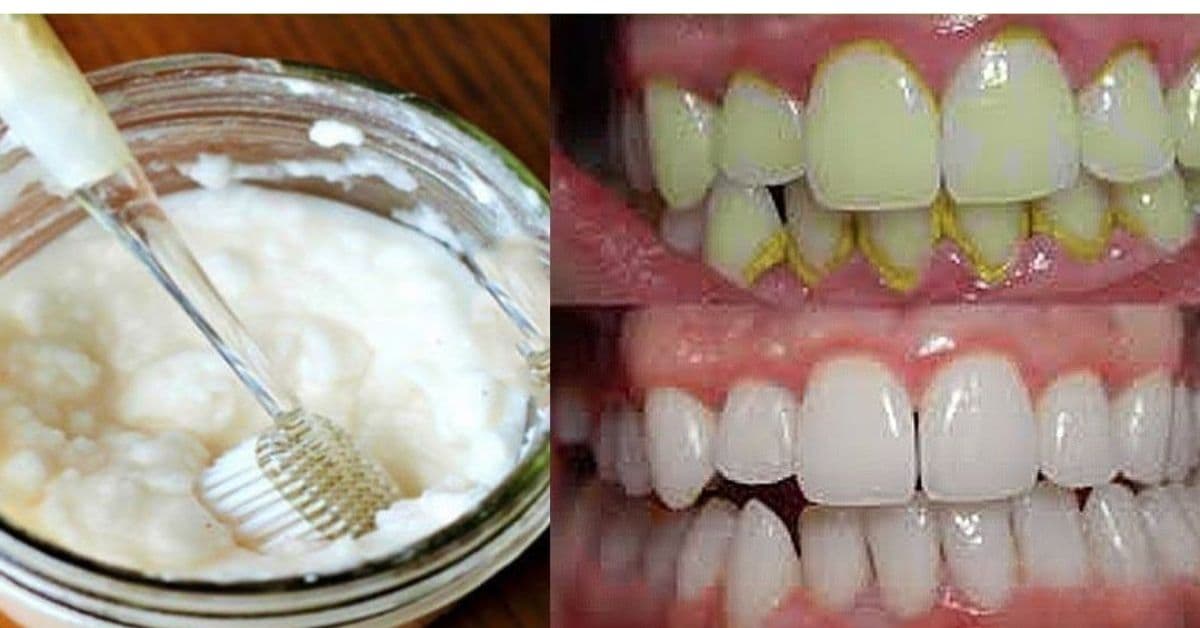
For those looking for a simple, at-home method that may help reduce plaque buildup, there are certain mixtures and natural combinations that people commonly use. While these methods may offer a sense of cleanliness and freshness, they should not replace professional dental care. It is always wise to consult a dentist, especially before trying any new oral hygiene technique.
That said, the following article explores a widely discussed home preparation that many individuals find helpful for refreshing their teeth and supporting their daily oral care routine.
Why Oral Hygiene Matters
Oral hygiene is more than just keeping your smile white; it’s an essential part of overall health. The mouth is a delicate environment, constantly exposed to food, bacteria, and acidity. If plaque is not removed regularly, it can lead to enamel erosion, gum sensitivity, unpleasant odor, and long-term oral concerns.
Healthy teeth also contribute to confidence — the way we smile, speak, and interact with others. Maintaining a fresh and clean mouth doesn’t only serve cosmetic purposes; it helps preserve natural teeth for as long as possible. For this reason, many people search for practical, easy-to-prepare solutions that can complement their daily brushing habits.
A Commonly Used At-Home Plaque-Removal Mixture
One frequently mentioned method in home oral-care discussions involves a simple combination of baking soda, hydrogen peroxide, water, and an antiseptic oral rinse. These ingredients are known for their cleansing and deodorizing properties. Baking soda, in particular, has been used in oral hygiene for decades due to its mild abrasiveness and ability to neutralize acidity. Hydrogen peroxide, on the other hand, is often used in diluted form in various mouth rinses, as it can help clean the mouth and remove debris.
Before attempting any home remedy, remember that every mouth is different. People with existing sensitivity, gum disease, dental restorations, or underlying conditions should always check with a dental professional before trying any mixture. Even natural or household ingredients can cause irritation if used improperly or too frequently.
Ingredients Often Used in This Method
People typically rely on a few basic components:
- Baking soda
- Hydrogen peroxide (diluted)
- Water
- An antiseptic oral rinse
- A cup or small container
- A toothpick or a dental cleaning tool
These simple items, when combined carefully, may help reduce plaque accumulation and leave the mouth feeling refreshed.
How the Mixture Is Commonly Prepared
The preparation process usually unfolds in several steps. Below is a detailed description of how individuals typically create and use this homemade plaque-removal mixture. This is meant purely as informational content and not a medical recommendation.
Step 1: Preparing the Cleansing Paste
The first step involves creating a mild paste. Many people mix approximately one teaspoon of baking soda with a small pinch of salt. The gritty nature of these ingredients helps enhance the cleaning action. After slightly wetting a toothbrush, the mixture is applied to the teeth in gentle, circular motions. Brushing with this combination usually lasts around five minutes, allowing enough time for the paste to come in contact with the surface of the teeth.
Baking soda works by breaking down surface particles and neutralizing acidity, which contributes to a cleaner feeling afterward. However, because baking soda is mildly abrasive, it should be used sparingly to avoid enamel wear. This is another reason why professional supervision or approval is recommended before making such methods a regular habit.
Step 2: Rinsing With a Diluted Peroxide Solution
The next stage typically involves rinsing with a diluted solution of hydrogen peroxide. Most people prepare this by mixing half a cup of hydrogen peroxide with half a cup of water. The solution is swished in the mouth for about a minute before being spit out. Hydrogen peroxide is known for its bubbling action, which helps clean areas that the toothbrush might not reach.
Again, this solution must be properly diluted, as concentrated peroxide can be irritating or harmful. It should never be swallowed, and people with sensitive gums should approach this step very cautiously — preferably after consulting a dental professional.
Step 3: Finishing With an Antiseptic Mouthwash
To complete the process, users typically rinse with an antiseptic mouthwash. This helps freshen breath and remove any remaining residue from the earlier steps. Mouthwash also provides an additional layer of cleanliness, reducing bacteria and leaving the mouth feeling refreshed.
Step 4: Removing Remaining Plaque Gently
Once the cleaning and rinsing steps are completed, some individuals gently use a toothpick or a pointed dental tool to scrape away softened plaque from around the gums and between the teeth. This must be done with extreme care, as aggressive scraping can irritate the gums or cause bleeding. Professional dental tools used incorrectly can do more harm than good, so if there is any uncertainty, it is always safer to let a dentist perform plaque removal.
What to Expect
After completing the entire process, many people report that their teeth feel smoother and look cleaner. Because plaque buildup often causes a dull or yellowish appearance, removing it can brighten the smile and create a noticeable difference. The sense of freshness also boosts confidence and encourages better daily hygiene habits.
Still, the effectiveness of home remedies varies from person to person. Professional dental cleanings remain the safest and most reliable way to remove hardened plaque or tartar.
Final Thoughts: Take Care of Your Smile
Trying gentle at-home methods can be a helpful addition to your oral-care routine, but they should never replace regular brushing, flossing, and dental checkups. While this popular mixture may help reduce plaque, it should be used thoughtfully and carefully. Overuse of abrasive or chemical solutions can irritate gums or damage enamel, so balance is key.
A healthy smile reflects good habits, consistent care, and mindful choices. If you decide to try any home-care method, including the one described above, consider consulting your dentist first — they can guide you based on your specific needs and help ensure that your oral hygiene routine remains both safe and effective.
Vau.ge – Your Daily Guide for Practical Advice!
Vau.ge is a place where caring for your health, beauty, and daily routines becomes a natural, accessible, and enjoyable experience. Our main goal is to provide you with reliable information about natural remedies, homemade recipes, and practical tips that help you live a healthier life, look better, and simplify your everyday tasks without unnecessary expenses.
Our tips are easy to incorporate into your everyday life — whether it’s skincare, haircare, health-boosting remedies, or small tricks to save time. This knowledge will not only improve your own life but also allow you to share the experience with others, giving more people the chance to live a balanced life naturally and economically.
Please note: The articles on our website are for informational purposes only and do not replace professional medical advice. If you have serious health concerns, please consult a qualified specialist.