











Calluses are common skin problems that many people experience at some point in their lives. They often develop as a result of continuous pressure or friction, usually on the feet or hands. Although these thickened patches of skin are generally harmless, they can cause discomfort, sensitivity, or pain when left untreated. For those who prefer natural methods, several traditional remedies have been used for generations to soften the skin and reduce the appearance of corns and calluses. While these methods are not substitutes for medical treatment when a condition is severe, they may offer gentle support and promote softer, healthier skin.
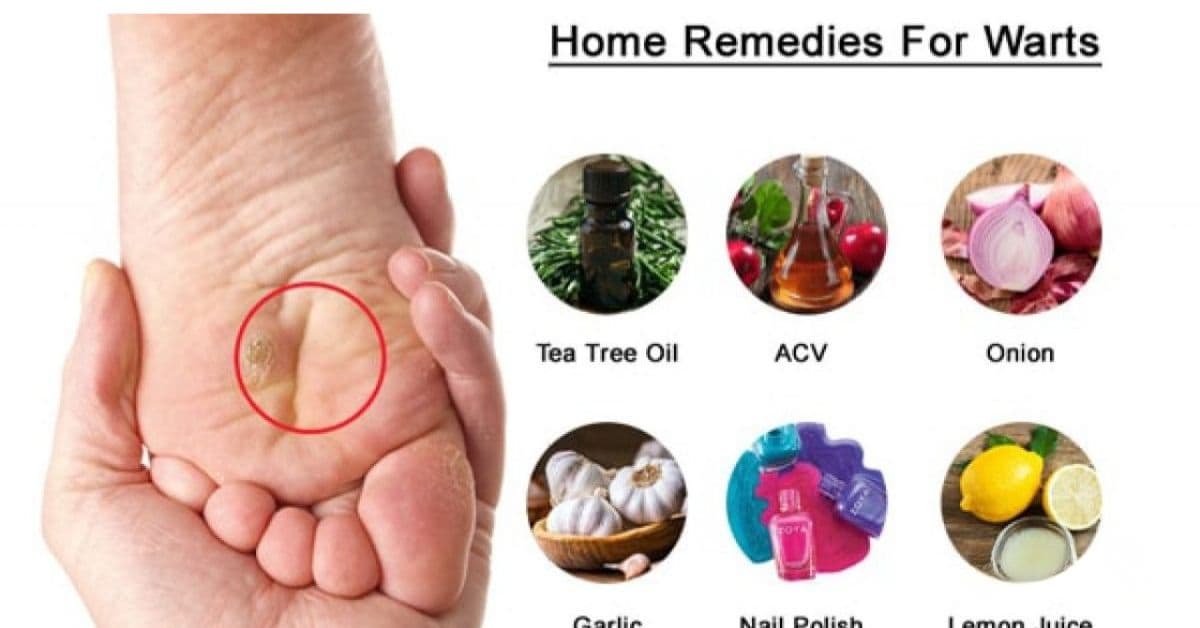
Below, we explore seven natural approaches that many people find helpful. Each method emphasizes consistent care, patience, and attention to your skin’s overall health.
Understanding Calluses
Before exploring the remedies, it’s helpful to understand what these skin changes really are. Calluses typically appear as broader, thickened areas of skin caused by repetitive friction—often on the soles of the feet or the palms. Corns, on the other hand, are smaller, more concentrated hardened spots that may develop on bony areas or toes. Both conditions form as the body’s natural defense mechanism: a way to protect deeper tissues from irritation.
However, when corns and calluses become too thick, they can cause discomfort or make everyday activities, such as walking, more challenging. This is why many people look for natural ways to soften the skin and encourage gradual renewal.
1. Garlic: A Traditional Soothing Treatment
Garlic has long been valued for its natural antibacterial and antifungal properties. Traditional remedies frequently rely on garlic to soften hard skin and reduce irritation.
To try this remedy, blend or finely crush three to four cloves of fresh garlic until it becomes a paste. Mix the paste with a spoonful of olive oil, which acts as a moisturizing base. Apply the mixture directly onto the affected area in the evening, then wrap the skin with a clean cloth or bandage to hold everything in place overnight. The next morning, rinse the area thoroughly. Many people find that consistent nightly application helps gradually soften the hardened skin.
2. Onion Juice: A Simple Yet Popular Method
Onions contain natural compounds that may help soften skin over time. A common traditional practice is to massage onion juice directly onto the corn or callus, then wrap the area lightly with a bandage. This process can be repeated daily, often for up to ten days.
Although onion juice has a strong scent, its natural acids may contribute to gentle exfoliation. Many who use this remedy claim that the skin becomes more flexible and easier to manage after consistent application.
3. Vinegar-Soaked Millet (Millet Compress)
Another well-known natural approach involves using vinegar-moistened millet or similar grains as a compress. To use this method, soak a piece of cotton or a small pad in vinegar and place it directly on the hardened skin. Secure the compress with a plaster or bandage and leave it in place for several hours. Afterward, the area can be rinsed and, if desired, the process repeated.
Vinegar’s mild acidity is traditionally believed to help soften layers of dead skin, making it easier to care for the affected area over time.
4. Lemon and Aspirin Paste
Lemon juice and aspirin are often combined to create a paste that people use as an exfoliating treatment. To prepare it, crush six aspirin tablets into a fine powder and mix them with freshly squeezed lemon juice until the consistency becomes creamy and smooth. Apply the mixture to the affected skin and wrap the area with plastic wrap to keep it warm and moist. Many also place a warm compress over the top to enhance absorption. After about fifteen minutes, remove everything and gently exfoliate with a pumice stone.
This method is widely used because lemon contains natural acids, while aspirin includes salicylic acid, which is known for its exfoliating properties. However, individuals with sensitive skin should exercise caution.
5. Castor Oil: A Gentle, Nourishing Option
Castor oil is renowned for its rich, soothing texture and its ability to deeply moisturize dry, rough skin. It can be applied directly to the corn or callus twice a day—once in the morning and again before bedtime.
With consistent use, many people observe that their skin becomes softer and more pliable. Over a couple of weeks, this may make it easier to manage thickened skin without causing irritation.
6. Chamomile Foot Soak for Relaxation and Softening
Chamomile is famous not only for its calming aroma but also for its soothing effect on the skin. A warm chamomile soak can help relax tired feet while also softening hard patches.
To prepare the soak, place four tablespoons of dried chamomile into one liter of hot water. Allow the mixture to steep until it becomes aromatic, then soak your feet in the warm infusion. This can help nourish the skin, reduce discomfort, and encourage natural softening.
7. Tomato Compress: A Simple Kitchen Remedy
Tomatoes contain natural acids and moisture that can be beneficial for rough, thickened skin. To create a tomato-based compress, mash a ripe tomato into a soft, pulpy mixture. Apply it onto the affected region and wrap the area with plastic to keep the moisture sealed in. After an hour, remove the wrap and rinse. Gently exfoliating the area afterward may help enhance the effects.
This method is popular because tomatoes are widely accessible, and the treatment is simple enough to incorporate into a weekly routine.
Final Thoughts: Caring for Your Skin Naturally
Natural remedies for calluses can be an appealing choice for those who prefer gentle, home-based care. Each method described above has been used traditionally for its softening and soothing qualities. However, it’s important to remember that results vary from person to person, and consistency plays a crucial role.
If your calluses become painful, infected, or increasingly uncomfortable, consulting a medical professional or podiatrist is always the safest option. People with diabetes, circulation problems, or nerve-related issues should be especially cautious and seek medical guidance before trying any home treatment.
Still, when applied mindfully, these natural remedies can become part of a self-care routine that promotes healthier, softer, and more comfortable skin—helping your feet and hands feel better every day.
Vau.ge – Your Daily Guide for Practical Advice!
Vau.ge is a place where caring for your health, beauty, and daily routines becomes a natural, accessible, and enjoyable experience. Our main goal is to provide you with reliable information about natural remedies, homemade recipes, and practical tips that help you live a healthier life, look better, and simplify your everyday tasks without unnecessary expenses.
Our tips are easy to incorporate into your everyday life — whether it’s skincare, haircare, health-boosting remedies, or small tricks to save time. This knowledge will not only improve your own life but also allow you to share the experience with others, giving more people the chance to live a balanced life naturally and economically.
Please note: The articles on our website are for informational purposes only and do not replace professional medical advice. If you have serious health concerns, please consult a qualified specialist.