











Ingrown hair is a common and often frustrating skin issue that nearly everyone experiences at some point. While it is not medically dangerous, it can be uncomfortable enough to disrupt your daily routine. When a hair grows sideways into the skin rather than rising up through the follicle, it can lead to redness, swelling, itching, and small painful bumps. In some cases, ingrown hair may even resemble acne or mild skin infection. Although the body eventually resolves the problem on its own, many people prefer quicker relief—especially when the irritation becomes persistent or unsightly.
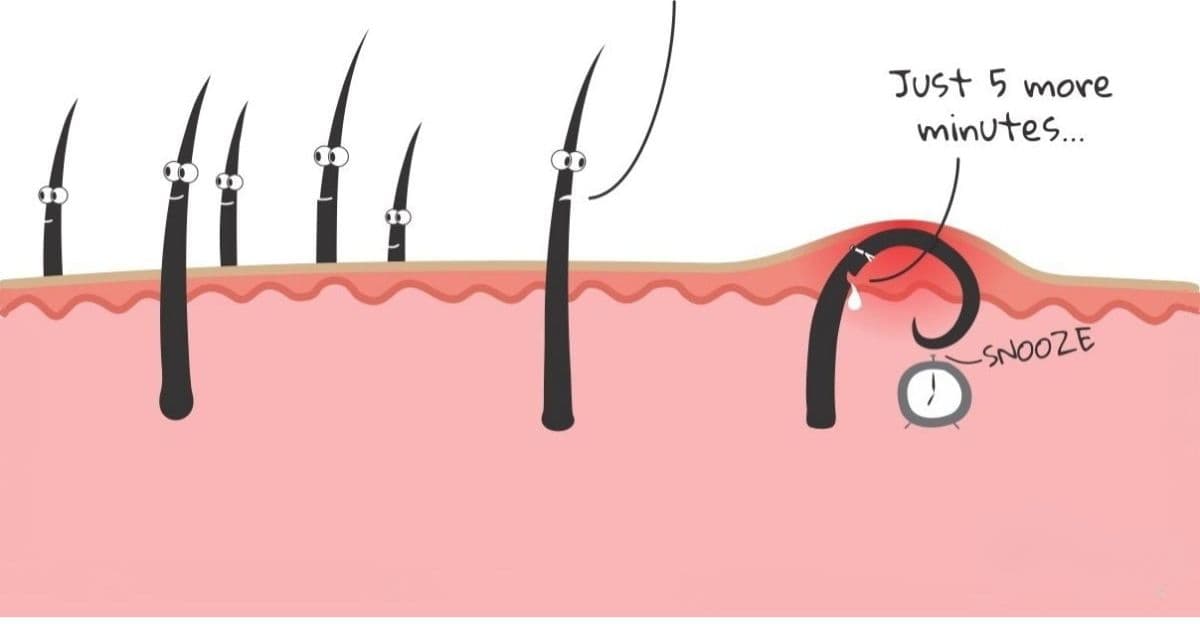
The good news is that you do not always need expensive treatments or clinical procedures to reduce the symptoms. There are several simple, natural, and inexpensive remedies you can prepare at home. These methods help exfoliate, soothe the skin, or reduce inflammation, giving the trapped hair a better chance of emerging on the surface. Below are five of the most effective at-home treatments you can try.
1. Sugar Scrub: A Gentle and Effective Exfoliator
Sugar is one of the most popular natural exfoliants used in skincare, thanks to its granulated texture and gentle action. It removes dead skin cells without irritating the skin, making it ideal for preventing and treating ingrown hairs. When dead cells accumulate around the follicle, the hair cannot break through, so light exfoliation can make a noticeable difference.
A simple homemade sugar scrub requires only a few ingredients. Mix one cup of white sugar with half a cup of olive oil to create a smooth, grainy paste. Olive oil helps moisturize and soften the skin, allowing the sugar to glide more evenly while still providing enough friction to clear clogged pores. To enhance the benefits, you may add ten drops of tea tree oil, which is known for its antibacterial and anti-inflammatory properties. This addition is particularly helpful if the area is irritated or at risk of developing infection.
Apply the scrub by gently massaging it into the affected area in circular motions. Do not press too hard—light pressure is enough to stimulate the skin and remove buildup. After a minute or two, rinse the area with warm water to open the pores and wash away the mixture. For the best results, repeat this process twice a week. Regular use not only helps existing ingrown hairs but also prevents new ones from forming.
2. Acne Treatments: A Useful Approach for Similar Symptoms
Because ingrown hair often resembles acne, many of the products used for acne can also be effective in reducing inflammation and irritation. Both conditions involve clogged pores, redness, and sensitivity, so similar treatments can offer quick relief. Over-the-counter products that contain salicylic acid or benzoyl peroxide can help clear pores and reduce swelling. However, if you prefer a simpler home remedy, an aspirin mask can work surprisingly well.
Aspirin contains salicylic acid in its natural form, which helps exfoliate the skin and calm inflammation. Crush a few aspirin tablets and mix them with a small amount of water until you form a paste. Apply the mixture to the affected area and leave it on for about fifteen minutes. During this time, the salicylic acid works to unclog the follicle and reduce redness. Afterward, rinse with warm water and pat the skin dry.
This method can be especially helpful when an ingrown hair becomes swollen or forms a painful bump. While it will not immediately pull the hair out, it softens the area and allows the skin to heal more quickly.
3. Baking Soda: A Soothing Anti-Inflammatory Remedy
Baking soda is another common household product that works remarkably well against ingrown hair. Its anti-inflammatory and antiseptic qualities make it useful for reducing redness and calming irritated skin. There are two popular ways to use baking soda for this purpose, and both are simple enough to prepare using ingredients already in your pantry.
The first technique is to create a basic baking soda solution. Mix the powder with water until it becomes slightly pasty, then apply it to the ingrown hair using a cotton pad. Leave it on for five minutes before rinsing with cool water. The cooling effect helps close pores and reduce inflammation. This method can be used several times a day—two to three applications are usually enough to notice improvement.
Another version combines baking soda with oatmeal and water. Oatmeal has natural soothing properties and helps relieve itching while gently exfoliating the skin. When mixed with baking soda, the two ingredients form a mild yet effective treatment. Apply the mixture to the irritated area, leave it on for a few minutes, and rinse with warm water. This approach is especially beneficial if your skin tends to be sensitive.
4. Warm Compresses: A Simple Way to Help the Hair Break Through
Sometimes the simplest method can be one of the most effective. A warm compress is a classic home remedy that softens the skin and encourages the trapped hair to surface. When heat is applied to the area, the pores open, and the surrounding skin becomes more pliable. This makes it easier for the hair to push through naturally, reducing pain and speeding up recovery.
To use this technique, soak a clean cloth in warm water—make sure it is not too hot to avoid irritation—and place it on the affected area. Hold it there for several minutes, allowing the heat to penetrate the skin. You can repeat this process multiple times a day. Over time, the swelling reduces, and the hair may become visible enough to remove safely with sterile tweezers. However, avoid digging into the skin, as this can worsen irritation or lead to infection.
Warm compresses are particularly helpful for sensitive areas such as the bikini line, underarms, or neck, where shaving often causes more ingrown hairs.
5. Salt Scrub: Another Natural Exfoliating Option
Like sugar, salt acts as a natural exfoliant and helps remove dead skin cells. It also stimulates blood circulation, which promotes healing and reduces inflammation. Because salt grains are slightly rougher than sugar, they can be very effective for areas with thicker skin. However, if your skin is sensitive, you may want to use a very gentle pressure.
To make a simple salt scrub, mix one and a half teaspoons of table salt with warm water until it dissolves slightly but still retains some texture. Gently massage the mixture onto the irritated area for a few minutes, then rinse thoroughly with water. This process can be done twice a day for noticeable results. With repeated use, the scrub helps prevent clogged pores, making it easier for hairs to grow normally.
Final Thoughts
Ingrown hairs are an annoying but manageable problem. With consistent care, gentle exfoliation, and natural anti-inflammatory remedies, you can significantly reduce discomfort and speed up healing. Each of the methods above is easy to prepare at home, inexpensive, and effective for both prevention and treatment. If the problem persists, worsens, or becomes infected, consider consulting a dermatologist. Otherwise, these simple techniques may be all you need to achieve smoother, healthier skin.
Vau.ge – Your Daily Guide for Practical Advice!
Vau.ge is a place where caring for your health, beauty, and daily routines becomes a natural, accessible, and enjoyable experience. Our main goal is to provide you with reliable information about natural remedies, homemade recipes, and practical tips that help you live a healthier life, look better, and simplify your everyday tasks without unnecessary expenses.
Our tips are easy to incorporate into your everyday life — whether it’s skincare, haircare, health-boosting remedies, or small tricks to save time. This knowledge will not only improve your own life but also allow you to share the experience with others, giving more people the chance to live a balanced life naturally and economically.
Please note: The articles on our website are for informational purposes only and do not replace professional medical advice. If you have serious health concerns, please consult a qualified specialist.