















The thyroid gland plays a central role in maintaining the body’s metabolism, regulating hormones, and influencing energy levels, weight balance, temperature, and overall well-being. Because the thyroid affects nearly every system of the body, even small imbalances can lead to noticeable changes. For many people, symptoms of thyroid dysfunction may include fatigue, unexpected weight fluctuations, mood changes, and altered appetite or sleep patterns.
Although thyroid disorders require professional medical evaluation and treatment, many individuals also explore whether dietary habits can support the gland’s natural function. Diet alone cannot cure thyroid diseases, but being mindful of certain foods may help reduce strain on the endocrine system and complement healthier lifestyle choices. This expanded article explores how dietary awareness can contribute to thyroid wellness and outlines several categories of foods that some people choose to limit.
Understanding the Thyroid and Its Role in the Body
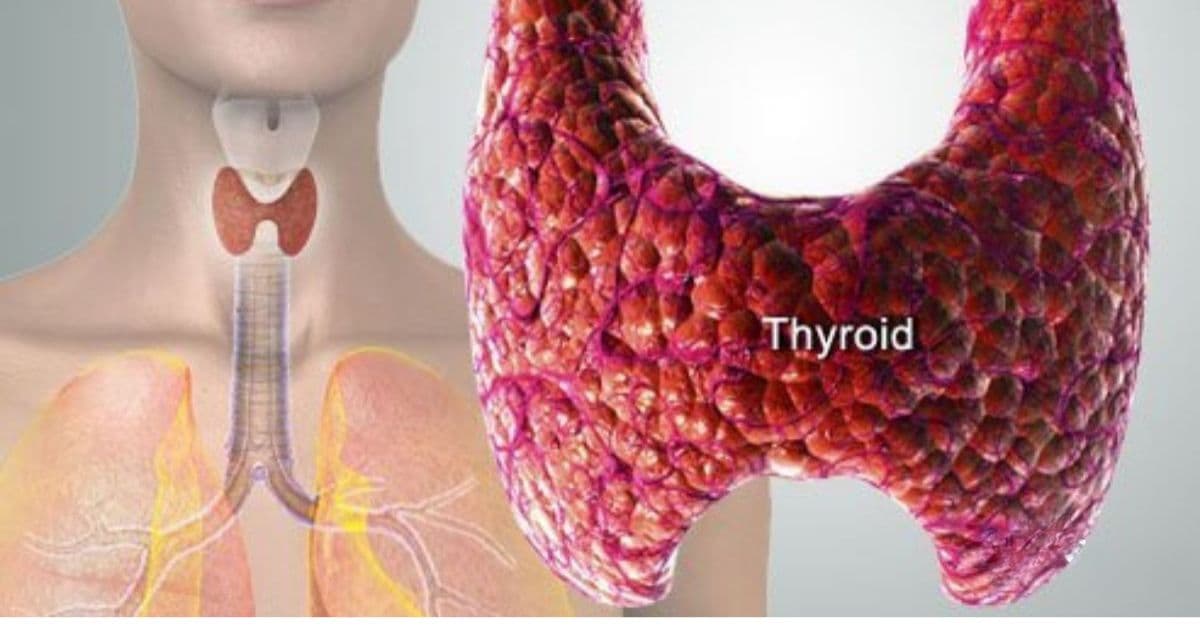
The thyroid gland, located at the base of the neck, produces hormones that influence nearly every metabolic process. These hormones—primarily thyroxine (T4) and triiodothyronine (T3)—control how the body uses energy. When the thyroid underproduces hormones, the condition is known as hypothyroidism; when it overproduces them, it is called hyperthyroidism.
When Hormones Become Unbalanced
People with hypothyroidism often experience weight gain, fatigue, dry skin, sensitivity to cold, and slower metabolic activity. On the other hand, hyperthyroidism may lead to weight loss, irritability, anxiety, rapid heartbeat, heat intolerance, and sleep disruption.
Women tend to be more vulnerable to thyroid conditions due to hormonal fluctuations, pregnancy-related changes, and genetic factors.
Although diet cannot replace medical care, choosing foods thoughtfully may help support a more stable hormonal environment. Some foods are known to interfere with hormone production, iodine absorption, or metabolic balance, and reducing them may contribute to overall comfort and wellness.
Foods Some People Choose to Reduce for Thyroid Support
The following sections provide an expanded explanation of the food categories commonly discussed in relation to thyroid health. These recommendations come primarily from nutritional observations in wellness communities rather than strict medical guidelines. They are intended to promote awareness rather than prescribe treatment.
Sugar: A Hidden Disruptor of Metabolic Balance
Sugar is deeply woven into modern diets, present not only in desserts but in packaged foods, sauces, beverages, and snacks. Excessive sugar intake can challenge the body’s metabolic processes regardless of thyroid function, but for individuals dealing with hormonal fluctuations, this strain may feel even more pronounced.
In cases of hypothyroidism, where metabolism tends to slow down, sugary foods may contribute to further weight gain, fatigue, and blood-sugar imbalances. The body may struggle to efficiently process glucose when energy conversion is already operating at a slower pace. While small amounts of natural sugars are generally fine, reducing processed and concentrated sugars may help stabilize energy levels and prevent metabolic overload.
Limiting sugary snacks, sodas, overly sweetened coffee drinks, and refined desserts can be a gentle step toward better hormonal balance and overall metabolic wellness.
Fried and Fatty Foods: A Burden on Hormone Production
Fried foods and heavily processed fats are often difficult for the body to digest. They can slow down metabolic processes and interfere with nutrient absorption. In the context of thyroid health, excessive unhealthy fats may hinder the body’s ability to produce and utilize hormones efficiently.
When digestion becomes sluggish, the body may also have trouble converting T4 hormone into its active form, T3. This means that even if the thyroid produces enough hormones, the body may not use them effectively—leading to symptoms similar to hypothyroidism.
Foods such as deep-fried snacks, fast food, fatty cuts of meat, and processed spreads like certain margarines or heavy mayonnaise may contribute to inflammation and discomfort. While these foods can be enjoyed occasionally, keeping them at a minimum may help reduce unnecessary metabolic strain.
Coffee: When Too Much Caffeine Affects Hormonal Stability
Coffee is among the most beloved beverages worldwide, and for most healthy adults, moderate consumption is not harmful. However, for individuals with thyroid irregularities, high caffeine intake may amplify certain symptoms.
Excessive caffeine can stimulate the adrenal glands, increasing stress hormones such as cortisol. When the adrenal glands are overactive, the thyroid may struggle to maintain hormonal balance. This can lead to feelings of fatigue, jitteriness, or intensified symptoms of thyroid imbalance.
While there is no need to eliminate coffee entirely, reducing large quantities—especially multiple cups consumed on an empty stomach—may support steadier energy levels. Herbal teas, warm lemon water, or lightly caffeinated alternatives can provide a gentler boost without overstimulating the endocrine system.
Cruciferous Vegetables: Nutritious but Potentially Problematic in Excess
Cruciferous vegetables such as cabbage, cauliflower, kale, broccoli, and turnips are rich in vitamins, minerals, and antioxidants. They provide essential nutrients that benefit the body in countless ways. However, when eaten in very large quantities—particularly in raw form—certain compounds in these vegetables may interfere with the thyroid’s ability to absorb iodine.
Iodine is an essential element for producing thyroid hormones. Without adequate iodine, hormone synthesis slows down, potentially contributing to hypothyroid-like symptoms.
This does not mean cruciferous vegetables must be avoided altogether. Cooking them reduces their goitrogenic effects, and for most people, normal servings are perfectly safe. The recommendation is simply to avoid excessive raw consumption if you have known thyroid imbalances.
Soy Products: A Common Sensitivity in Thyroid Discussions
Soy is widely used in many modern diets, appearing in forms such as soy milk, tofu, soy protein powders, and processed foods. Some compounds in soy may influence the absorption of thyroid medication or interfere with iodine utilization. This is especially relevant for individuals already managing hypothyroidism with prescribed hormone therapy.
Moderation is generally key. Small portions of whole soy foods, consumed as part of a varied diet, are not harmful for most people. However, if you have a thyroid condition, monitoring your soy intake—particularly of highly processed soy products—may contribute to smoother hormonal absorption and balance.
Creating a Supportive and Balanced Diet for Thyroid Health
A diet supportive of thyroid health is not about strict avoidance but about awareness. Reducing foods that may interfere with hormone production allows the thyroid to function with fewer obstacles. Equally important is the inclusion of nutrient-rich foods such as lean proteins, whole grains, fruits, vegetables, healthy fats, and iodine-rich choices like seafood or iodized salt.
A balanced lifestyle that includes sufficient sleep, stress reduction, and regular physical activity also plays a significant role in supporting the endocrine system. Dietary adjustments should always be seen as part of a holistic approach to wellness rather than a substitute for medical treatment.
A Thoughtful Approach to Thyroid Wellness
While diet alone cannot prevent thyroid disorders, understanding how certain foods interact with hormonal balance can empower you to make informed choices. By reducing foods that may challenge the thyroid—such as excessive sugar, heavily fried items, excessive caffeine, raw cruciferous vegetables, and highly processed soy—you may support more stable energy levels and overall well-being.
As always, those experiencing persistent symptoms should seek guidance from a healthcare professional. When combined with proper medical care, mindful eating can become a powerful tool for maintaining hormonal harmony and supporting long-term health.
Vau.ge – Your Daily Guide for Practical Advice!
Vau.ge is a place where caring for your health, beauty, and daily routines becomes a natural, accessible, and enjoyable experience. Our main goal is to provide you with reliable information about natural remedies, homemade recipes, and practical tips that help you live a healthier life, look better, and simplify your everyday tasks without unnecessary expenses.
Our tips are easy to incorporate into your everyday life — whether it’s skincare, haircare, health-boosting remedies, or small tricks to save time. This knowledge will not only improve your own life but also allow you to share the experience with others, giving more people the chance to live a balanced life naturally and economically.
Please note: The articles on our website are for informational purposes only and do not replace professional medical advice. If you have serious health concerns, please consult a qualified specialist.