











Swollen feet are a common condition that many people experience at some point in their lives. While swelling can feel uncomfortable, heavy, or even painful, it often disrupts daily activities and makes it difficult to walk or stand for long periods. Although rest can certainly offer relief, there are times when swelling persists and requires a more intentional approach. Understanding why swelling occurs and exploring gentle, home-based ways to ease discomfort can help you manage the problem more effectively.
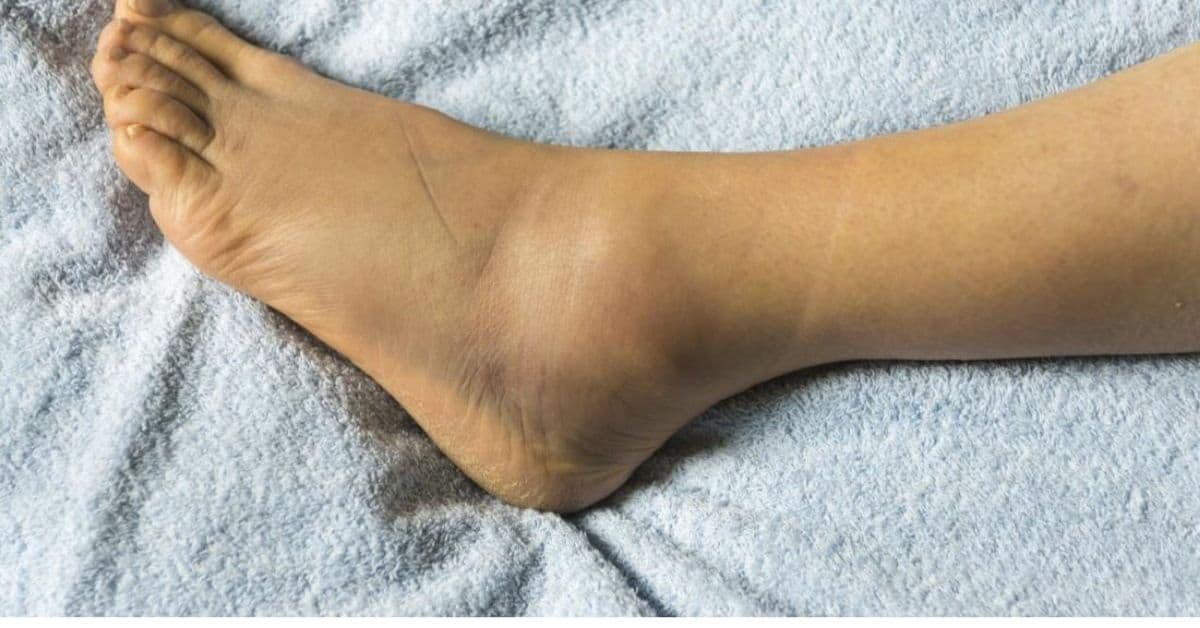
Swelling in the feet—often called edema—can appear for various reasons. Standing for long hours, wearing tight or uncomfortable shoes, long travel, hot weather, or lifestyle factors can all contribute. In some cases, swelling may also be associated with underlying medical conditions such as kidney issues, circulation problems, or inflammation. While persistent or severe swelling should always be evaluated by a healthcare professional, mild or occasional swelling can often be relieved with simple at-home strategies.
Below is an expanded, detailed guide based on traditional methods and widely used comfort practices. These suggestions are not medical treatments but gentle habits that may help ease discomfort when mild swelling occurs.
Understanding Why Feet Swell
Before diving into the practical tips, it helps to understand what swelling actually is. Swelling occurs when excess fluid accumulates in the tissues, usually in the lower extremities where gravity naturally pulls fluid downward. The feet and ankles are especially prone to this because they support the weight of the entire body and receive considerable pressure throughout the day.
Common factors that contribute to swelling include:
- Prolonged standing or sitting
- Tight or ill-fitting footwear
- Dehydration
- Heat exposure
- Lack of movement or circulation
- High-sodium diet
While these everyday causes are widespread, swelling can occasionally reflect deeper health issues, which is why monitoring the frequency and intensity of symptoms is important.
Cold Cabbage Leaves: A Traditional Cooling Method
One of the more traditional approaches people use for swelling involves cold cabbage leaves. This method relies on the natural cooling effect of the vegetable. When cabbage leaves are placed in the refrigerator, they retain a cool, crisp texture that can feel refreshing against swollen or tired feet. Once chilled, the leaves are gently laid over the swollen areas, providing a soothing, calming sensation.
Although this method is not a medical treatment, many people find that the naturally cool surface of the leaves helps reduce a sense of heaviness and offers temporary comfort. It is simple, inexpensive, and easy to try at home.
The Importance of Drinking Enough Water
Surprisingly, dehydration is one of the most common triggers of swelling. When the body does not receive enough water, it tends to retain the fluid it already has, leading to puffiness and swelling in various parts of the body, including the feet. Ensuring adequate hydration helps the circulatory system function smoothly and allows excess sodium or trapped fluids to move through the body more effectively.
Increasing your water intake throughout the day, especially during warm weather or after physical activity, can help support natural fluid balance. Sometimes, simply drinking more water can make a noticeable difference in how heavy or swollen the feet feel.
Warm Rice and Baking Soda Compress
Another home-based method often mentioned for easing swelling involves combining cooked rice with a small amount of baking soda to create a warm compress. The warmth of the rice can help relax the skin and muscles, while the texture allows the compress to contour gently around the foot.
After mixing the cooked rice with a pinch of baking soda, the mixture is wrapped in a soft cloth or towel and applied to the swollen area. The warmth may offer temporary soothing effects, much like any warm compress. As always, the temperature should be comfortable—not too hot—to avoid irritation.
Eucalyptus Foot Soak for Refreshing Relief
Eucalyptus oil has a long history of use for its fresh, invigorating scent and cooling sensation. Adding a few drops of eucalyptus essential oil to a warm foot bath can create a relaxing experience at the end of a long day. The warmth of the water helps ease tension, while the aroma provides a calming effect.
A foot soak does not treat medical conditions, but it can help relax the lower limbs and reduce the feeling of heaviness associated with standing or walking for extended periods. Many people use eucalyptus foot baths simply for relaxation, and improved comfort often follows naturally.
Sea Salt Foot Bath: A Classic Comfort Method
Sea salt has long been used in baths to help soothe tired muscles and refresh the skin. A foot bath prepared with warm water and a few spoonfuls of sea salt can provide gentle comfort, particularly after a demanding day. The warm water helps promote circulation, while the coarse minerals dissolve gradually, creating a calming soak.
Like other methods, this practice is intended for comfort rather than treatment, but many find it to be an effective way to ease tension and reduce the sense of swelling in the lower limbs.
Including Magnesium-Rich Foods in the Diet
Diet can play an important role in how the body manages inflammation, fluid balance, and muscle function. Magnesium, an essential mineral, supports hundreds of bodily processes, including muscle relaxation and fluid regulation. When the body lacks sufficient magnesium, swelling may occur more easily.
Eating more magnesium-rich foods—such as leafy greens, oats, nuts, buckwheat, eggs, or cocoa—can help support the body’s natural balance. This dietary approach is not a quick fix, but rather a long-term habit that may contribute to better overall comfort and reduced swelling over time.
Using Ice for Temporary Relief
Applying ice to swollen feet is one of the most common and straightforward methods for easing discomfort. Ice helps cool the skin and may reduce the sensation of pressure or heat associated with swelling. To do this safely, ice should always be wrapped in a cloth or towel rather than placed directly on the skin.
Short periods of icing can provide notable relief, especially when swelling is related to physical strain, prolonged standing, or minor irritation. As with all cold therapies, moderation and caution are key.
Final Thoughts: Small Habits Can Bring Noticeable Comfort
Swollen feet may feel uncomfortable, but they are often manageable with simple, gentle, home-based strategies. From proper hydration to soothing foot baths or cooling compresses, many practices can help ease the sensation of heaviness and restore comfort to tired feet. While these methods can be helpful for mild, occasional swelling, persistent or severe symptoms should always be evaluated by a healthcare professional.
Vau.ge – Your Daily Guide for Practical Advice!
Vau.ge is a place where caring for your health, beauty, and daily routines becomes a natural, accessible, and enjoyable experience. Our main goal is to provide you with reliable information about natural remedies, homemade recipes, and practical tips that help you live a healthier life, look better, and simplify your everyday tasks without unnecessary expenses.
Our tips are easy to incorporate into your everyday life — whether it’s skincare, haircare, health-boosting remedies, or small tricks to save time. This knowledge will not only improve your own life but also allow you to share the experience with others, giving more people the chance to live a balanced life naturally and economically.
Please note: The articles on our website are for informational purposes only and do not replace professional medical advice. If you have serious health concerns, please consult a qualified specialist.