












Respiratory discomfort is something almost everyone experiences at least once in their lifetime. Whether it is a seasonal cold, mild asthma symptoms, allergic reactions, or occasional congestion, these issues can interrupt daily life and leave us feeling drained. While conventional medications are often effective, many people look for natural, gentle alternatives to complement their wellness routine—especially when they want to avoid unnecessary side effects.
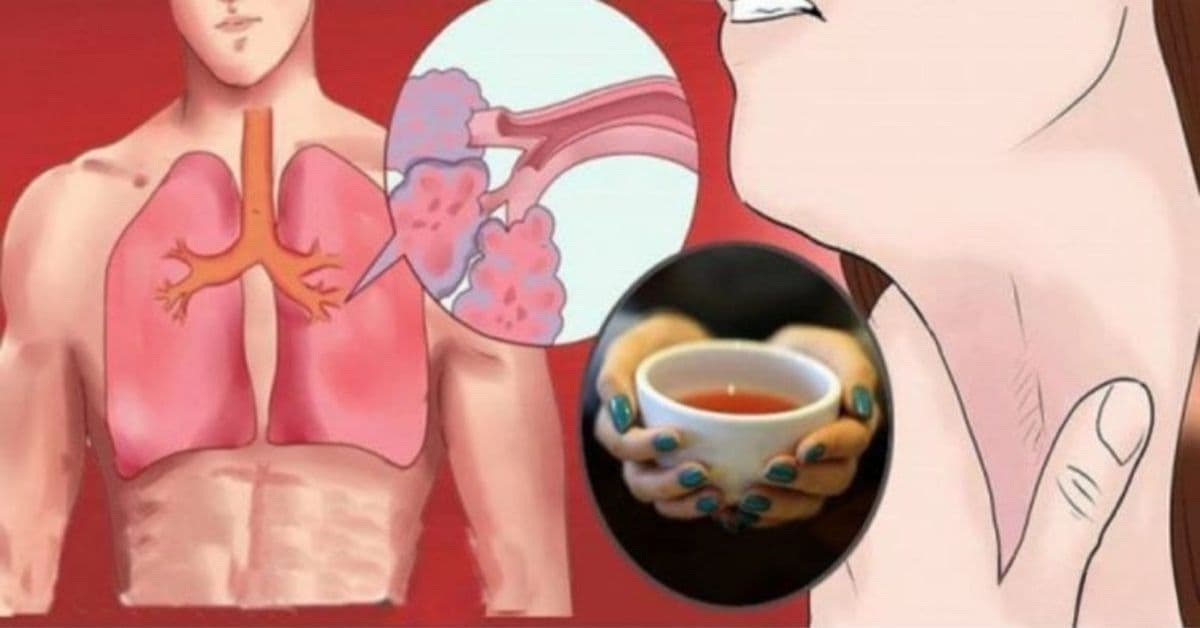
Among countless traditional herbal remedies, one simple infusion made from just three natural ingredients has gained attention for its soothing qualities and its long history of use in supporting respiratory comfort. Although no herbal tea can “detox” the lungs in a clinical sense, certain plants have been traditionally used to help the body manage congestion, ease breathing, and promote overall respiratory well-being.
This article explores why some individuals seek alternatives to common respiratory medications, highlights the traditional benefits of mullein leaves, and provides a comforting herbal tea recipe that has been used for generations.
Why Many People Seek Natural Options for Respiratory Relief
Modern medicine offers many effective solutions for coughs, colds, and airway irritation. However, some medications are known to cause side effects—especially when overused or taken without proper guidance from a healthcare professional. For this reason, many individuals occasionally turn to gentle, plant-based preparations as supportive, non-pharmaceutical options.
Common Over-the-Counter Cough Remedies and Their Drawbacks
Cough syrups are among the most frequently used treatments for colds and respiratory infections. While they can be helpful, certain formulations may cause discomfort for some users. People commonly report issues such as fatigue, dizziness, drowsiness, nausea, swelling, itching, or a feeling of chest tightness after taking certain cough medications. These effects vary widely and do not happen to everyone, but they can encourage some people to explore milder alternatives when dealing with common, non-serious respiratory symptoms.
Corticosteroids and Their Limitations
In more chronic cases—such as asthma or bronchitis—corticosteroids can be essential. They reduce inflammation and help maintain open airways. Nevertheless, long-term use may weaken the immune system or increase susceptibility to certain infections. Because of this, many people with mild or occasional respiratory discomfort prefer to support their health with natural practices whenever appropriate and safe.
Mullein: A Time-Honored Herb for Comfortable Breathing
One of the most valued herbs in traditional respiratory care is mullein (also known as Verbascum thapsus). Used for centuries across Europe, Asia, and North America, mullein has earned a reputation as a soothing plant that supports the respiratory system.
What Makes Mullein Unique?
Mullein leaves naturally contain saponins, plant compounds that may help thin mucus and promote easier expectoration. Because of this, mullein tea has long been used as a gentle, natural way to support the body’s ability to clear the airways. Many cultures have traditionally turned to mullein during periods of congestion, seasonal illness, or throat irritation.
Although scientific studies are still limited and more research is needed, mullein remains one of the most common herbal ingredients in traditional respiratory blends because people find it calming, smooth, and comforting.
The Comforting Blend: Mullein, Mint, and Honey
This three-ingredient infusion brings together mullein leaves, dry mint, and honey—a combination that has been valued in folk medicine for generations. Each ingredient contributes its own soothing qualities:
- Mullein leaves have long been used to support easier breathing.
- Mint provides a cooling sensation that may help the throat and sinuses feel clearer.
- Honey adds natural sweetness and is widely used in many cultures for its comforting effect during colds.
While this tea is not a replacement for medical treatment, especially in serious conditions, many people enjoy it as a warm, gentle remedy during cold weather or whenever they want to support their respiratory comfort naturally.
Ingredients for the Herbal Lung-Support Tea
To prepare this traditional infusion, you will need:
- 1½ cups of water
- 2 teaspoons of dried mullein leaves
- 1 teaspoon of dried mint
- 1–2 teaspoons of honey (adjust based on your preference)
These ingredients are simple, affordable, and easy to find in most herbal shops or well-stocked grocery stores.
How to Prepare the Tea
The preparation process is straightforward, but there is one important step: mullein leaves must always be strained with a fine filter because they contain tiny hairs that can irritate the throat if not removed. Once you use a proper strainer, the texture becomes smooth and pleasant.
Step-by-Step Directions
- Boil the water.
Bring 1½ cups of clean water to a gentle boil. - Steep the mullein leaves.
Add the mullein to the hot water and let it steep for several minutes. Then strain the mixture thoroughly through a very fine filter or cheesecloth. - Prepare the mint separately.
Steep the dried mint in a small amount of hot water, then strain it as well. This helps preserve its aroma and flavor. - Combine and sweeten.
Mix the mullein infusion with the mint tea. Add honey while the liquid is still warm but not boiling—this protects the nutrients and preserves the flavor.
The result is a warm, aromatic cup of herbal comfort that many people find soothing during cold seasons, mild respiratory irritation, or times of stress.
When to Enjoy This Tea
This herbal infusion is often used during:
- Seasonal colds
- Congestion
- Mild throat discomfort
- Recovery after exposure to cold weather
- Times when the respiratory system feels strained
The warmth, aroma, and gentle nature of the ingredients make it a comforting choice for relaxation as well. Many people drink it in the evening to unwind or before bed to soothe the throat.
A Natural Tradition, Not a Medical Treatment
While this three-ingredient infusion has a long history in traditional wellness practices, it is important to remember that herbal remedies do not replace medical care when dealing with serious symptoms. Anyone with a chronic respiratory condition should consult a healthcare professional before introducing new herbal products.
However, for everyday comfort, relaxation, and a gentle sense of support, this warm mullein tea blend continues to be a beloved natural companion for countless people around the world.
Vau.ge – Your Daily Guide for Practical Advice!
Vau.ge is a place where caring for your health, beauty, and daily routines becomes a natural, accessible, and enjoyable experience. Our main goal is to provide you with reliable information about natural remedies, homemade recipes, and practical tips that help you live a healthier life, look better, and simplify your everyday tasks without unnecessary expenses.
Our tips are easy to incorporate into your everyday life — whether it’s skincare, haircare, health-boosting remedies, or small tricks to save time. This knowledge will not only improve your own life but also allow you to share the experience with others, giving more people the chance to live a balanced life naturally and economically.
Please note: The articles on our website are for informational purposes only and do not replace professional medical advice. If you have serious health concerns, please consult a qualified specialist.