









Hallux valgus, commonly known as a bunion, is a painful deformity of the foot that affects millions of people worldwide. It occurs when the bone or tissue at the base of the big toe becomes misaligned, causing the toe to lean inward toward the others. Over time, this misalignment leads to inflammation, discomfort, and difficulty walking. While surgery is often the most effective long-term solution for severe cases, many people turn to natural remedies to relieve pain, reduce inflammation, and slow the progression of the condition.
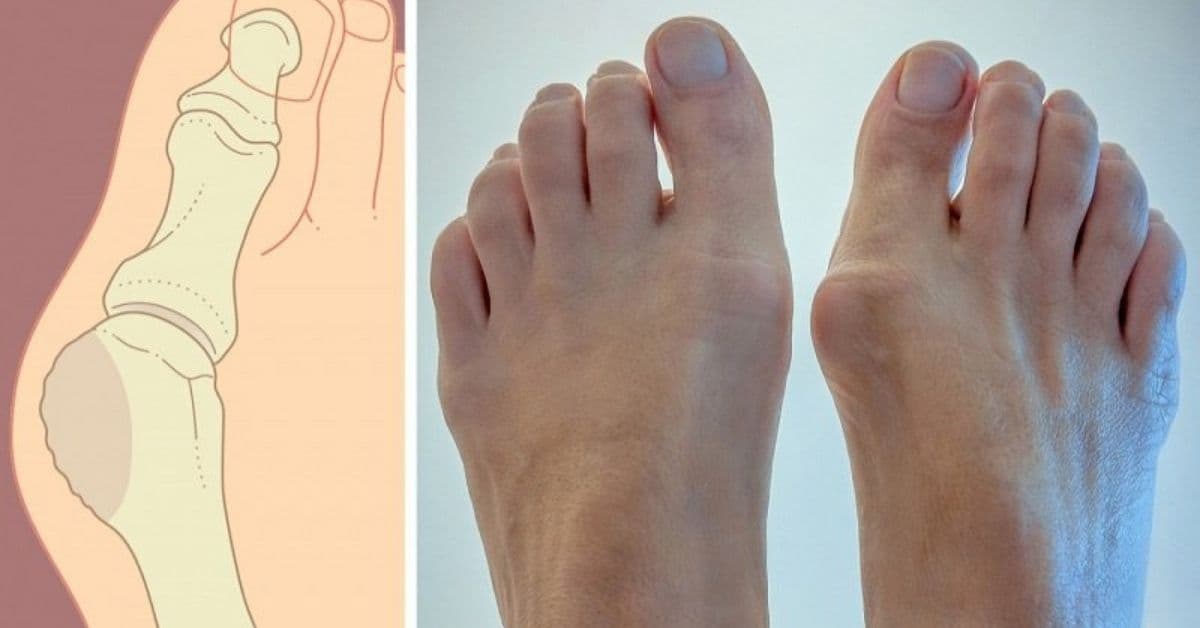
Several factors contribute to the development of hallux valgus, including genetics, excess weight, improper footwear, and flat feet. Wearing high-heeled or narrow shoes is one of the most common causes of bunion formation, as these shoes place excessive pressure on the toes and weaken the natural alignment of the foot. Fortunately, there are various home treatments based on traditional remedies that may help ease discomfort. These remedies do not replace professional care, but they can support comfort, reduce pain, and provide temporary relief.
Below are eight natural methods believed to soothe hallux valgus symptoms and support overall foot health.
1. Dill Root Decoction: A Traditional Soothing Remedy
One of the oldest natural treatments comes from dill root. This herbal preparation is often used when the first signs of bunion discomfort appear. To make the decoction, pour one cup of hot water over one teaspoon of dill root and simmer for about ten minutes. After it cools, the mixture can be consumed twice a day, 100 milliliters per serving.
Though mild in action, dill root has historically been valued for its anti-inflammatory and calming effects. While not a cure, consistent use may help reduce swelling and ease early discomfort associated with bunions.
2. Dandelion and Iodine: A Simple Topical Application
Dandelion flowers are known for their natural healing properties, and when combined with iodine, they form a popular folk remedy for bunion pain. To prepare the mixture, crush 100 grams of dandelion flowers and soak them in iodine until fully saturated. The resulting solution is used to draw a grid-like pattern on the painful area before bedtime.
This method is especially useful when the feet are completely dry, allowing the solution to absorb better into the skin. Repeating the process for two weeks may help reduce local discomfort and inflammation. Dandelion is often praised in folk medicine for its detoxifying properties, while iodine provides a soothing and disinfecting effect.
3. Homemade Healing Cream: Mustard, Badyaga, Motor Oil, and Turpentine
Perhaps one of the more unusual traditional treatments involves blending mustard powder, badyaga (a natural sponge-derived powder), motor oil, and turpentine into a potent cream. Although the mixture has a strong and unpleasant scent, it has long been used for its warming and stimulating effects on the skin.
To prepare the cream, mix one tablespoon of mustard, one tablespoon of badyaga, and the same amount of motor oil. Then add two tablespoons of turpentine and stir until the texture becomes smooth. The cream is applied directly to the bunion area.
This remedy should be used cautiously, as it is strong and may irritate sensitive skin. However, many people claim that it provides significant relief for stiff or swollen areas by improving blood flow and reducing localized tension.
4. Burdock Leaves and Turpentine: A Heating Compress
Burdock leaves have been used in natural medicine for centuries due to their anti-inflammatory properties. Combined with a small amount of turpentine, they create a warming compress intended to reduce discomfort around the toe joint.
To use this remedy, lightly coat a burdock leaf with a small amount of turpentine, wrap it around the foot up to the knee, and cover the area with plastic, followed by a wool cloth. This helps retain heat and supports circulation. The compress should be applied daily for up to three months.
Because turpentine can cause burns if used excessively, it is important to use only a very small amount. When applied correctly, this method may help loosen stiff tissues and soothe long-term irritation.
5. Salt and Iodine Foot Soaks
One of the simplest and gentlest remedies is a warm foot bath made with salt and iodine. To prepare it, dissolve two tablespoons of salt in a liter of warm water. The feet can be soaked twice daily to ease pain and reduce mild inflammation.
Salt helps relax the muscles, decrease swelling, and soften the skin, while iodine provides antiseptic benefits. Foot soaks also encourage improved circulation, which is often beneficial for overworked or irritated feet. This method is especially helpful at the end of a long day when the bunion feels sore or swollen.
6. Vinegar, Egg, Lard, and Turpentine: A Traditional Healing Balm
This deeply traditional remedy requires time and patience, but many people swear by its soothing effect. Place a whole raw egg in a glass and cover it with vinegar until fully submerged. Let it sit in a dark place for two weeks until the shell softens. Then remove the egg, add ten grams of turpentine and one tablespoon of lard, and mix thoroughly.
After allowing the mixture to rest for a day, it can be applied to the bunion in a thin, grid-like pattern. The combination of vinegar and egg is believed to soften the skin and reduce callus formation, while turpentine and lard create a warming, moisturizing effect.
7. Propolis Compress: A Natural Pain Reliever
Propolis, a substance produced by bees, is widely used for its anti-inflammatory and analgesic qualities. To apply it, warm a small piece of propolis in your hands until soft and press it onto the affected area. Wrap the foot with a bandage and leave the compress overnight.
This treatment is usually repeated every evening for two weeks. Propolis is known to reduce localized pain and may help soften hard tissue around the bunion, offering gentle relief without harsh chemicals.
8. Iodine and Aspirin: A Quick Topical Remedy
A classic folk formula combines iodine with aspirin to create a simple topical solution. Crush five aspirin tablets and dissolve them in ten milliliters of iodine. Apply the mixture to the bunion before bed for three consecutive nights. Afterward, take a two-week break before repeating the cycle if needed.
The combination may help reduce inflammation and temporarily relieve discomfort through its warming and disinfecting properties.
Important Warning: Consult a Doctor First
While these natural methods may offer relief, they are not substitutes for professional medical care. Hallux valgus is a progressive condition, and delaying proper treatment can worsen symptoms over time. Always consult a healthcare professional before starting home remedies—especially if you have diabetes, circulation problems, sensitivities, or allergies.
These traditional methods are best used as supportive therapies to ease discomfort, reduce inflammation, and slow symptom progression. Their purpose is not to cure the deformity but to help manage pain and enhance everyday comfort.
Vau.ge – Your Daily Guide for Practical Advice!
Vau.ge is a place where caring for your health, beauty, and daily routines becomes a natural, accessible, and enjoyable experience. Our main goal is to provide you with reliable information about natural remedies, homemade recipes, and practical tips that help you live a healthier life, look better, and simplify your everyday tasks without unnecessary expenses.
Our tips are easy to incorporate into your everyday life — whether it’s skincare, haircare, health-boosting remedies, or small tricks to save time. This knowledge will not only improve your own life but also allow you to share the experience with others, giving more people the chance to live a balanced life naturally and economically.
Please note: The articles on our website are for informational purposes only and do not replace professional medical advice. If you have serious health concerns, please consult a qualified specialist.