















Scientists have long studied the connection between nutrition and brain health, but one particular study involving adults over the age of 80 delivered remarkable results. Researchers discovered that certain foods have the power not only to preserve cognitive abilities but also to noticeably enhance them—even at an age when most people expect decline rather than improvement. Participants who regularly consumed these foods maintained sharper memory, better focus, and stronger cognitive performance for at least ten years.
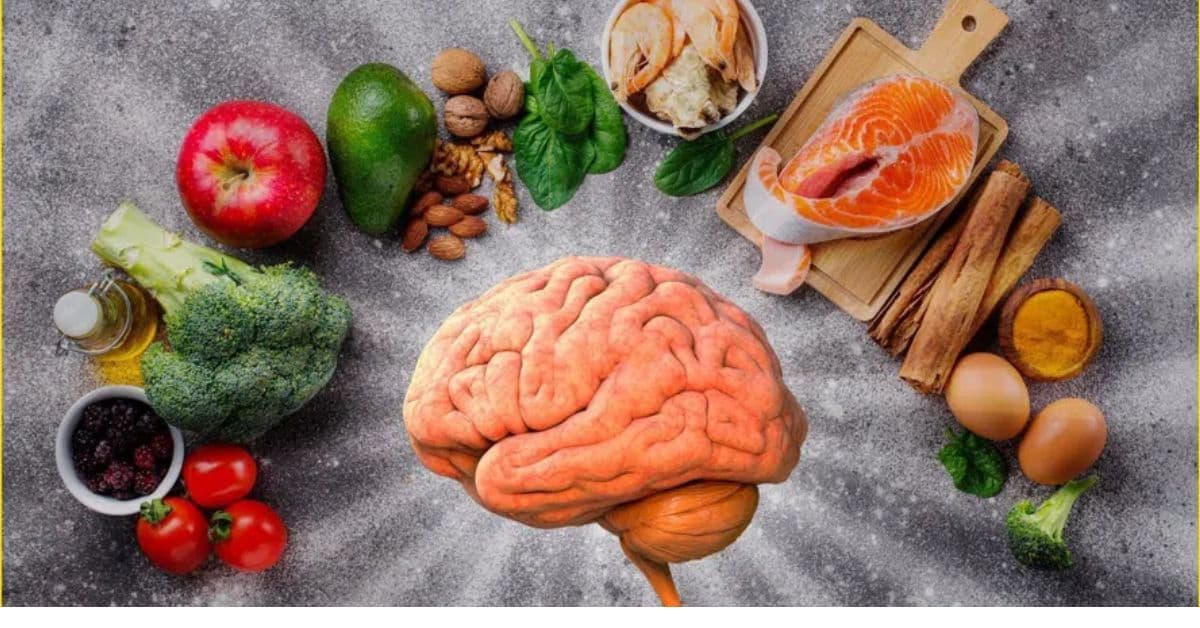
This finding has transformed the way we understand aging. Instead of viewing cognitive decline as an unavoidable part of life, experts now highlight nutrition as a powerful tool to protect and even rejuvenate the brain. The key is knowing which foods nourish the brain, how often to eat them, and which foods should be consumed in moderation.
Below is a closer look at the 15 categories of brain-rejuvenating foods that researchers identified. The first ten can be enjoyed freely and regularly, while the remaining five should be consumed in controlled amounts to maintain balance and support long-term brain health.
The Foods That Help the Brain Stay Young
Scientists grouped these brain-supporting foods into fifteen categories. According to the research, foods that fall within the first ten groups can be eaten often and without strict limitation. They provide essential vitamins, antioxidants, healthy fats, and minerals that support memory, mood, and neural regeneration.
The last five groups, however, should be limited. They are not harmful in small amounts, but excessive consumption may slow down cognitive processes or contribute to inflammation—something that accelerates brain aging.
1. Nuts: A Handful Five Times a Week
Nuts are often called “brain fuel,” and for good reason. Rich in omega-3 fatty acids, vitamin E, protein, and antioxidants, they help protect neurons from oxidative stress—the process responsible for age-related degeneration. Eating a handful of nuts at least five times a week can significantly improve memory retention and mental clarity.
Walnuts, in particular, contain DHA, an essential fatty acid linked to improved cognitive performance. Almonds and hazelnuts also offer strong antioxidant benefits, helping slow down mental fatigue and improving concentration.
2. Leafy Greens: Eat as Much as You Want
Spinach, kale, arugula, parsley, dill, coriander—these greens are among the most powerful anti-aging foods on Earth. They contain folate, vitamin K, beta-carotene, and numerous phytonutrients that nourish the brain. According to research, even one serving of leafy greens a day can make the brain function comparably to that of someone 10 years younger.
Greens help reduce inflammation, improve blood circulation to the brain, and support detoxification—all essential for cognitive longevity.
3. Vegetables: A Daily Serving for Mental Sharpness
Colorful vegetables, especially those rich in carotenoids (like carrots, peppers, beets, and tomatoes), provide protection against cognitive decline. Their antioxidants reduce inflammation in brain tissue and improve neurotransmitter function. Eating at least one portion every day gives the brain the steady supply of nutrients it needs to stay energetic and alert.
4. Legumes: A Minimum of Two Servings Weekly
Beans, lentils, and chickpeas are excellent plant-based sources of protein and slow-digesting carbohydrates. They help stabilize blood sugar levels—critical for maintaining consistent energy and mental focus throughout the day. Including legumes in your diet at least twice a week supports neural communication and reduces the risk of age-related cognitive decline.
5. Poultry: Twice a Week for Healthy Protein
Chicken and turkey supply lean protein that keeps neurotransmitters functioning properly. They provide B-vitamins, iron, and zinc—all essential for memory, mood regulation, and overall brain performance. Consuming poultry twice a week offers balanced nourishment without the inflammatory effects often associated with red meat.
6. Olive Oil: Your Everyday Essential
Olive oil is a cornerstone of brain-healthy nutrition. Packed with monounsaturated fats and powerful antioxidants, it helps preserve memory, improves circulation, and reduces oxidative stress. Using olive oil as your main dressing or cooking oil provides steady protection against brain aging. Many researchers consider it one of the strongest natural contributors to long-term cognitive health.
7. Fish: Once a Week Is Enough
Fish—particularly fatty varieties like salmon, sardines, and mackerel—contains omega-3 fatty acids essential for building and repairing brain cells. Eating fish once a week can significantly reduce the risk of Alzheimer’s disease. Omega-3s improve communication between neurons and support the brain’s ability to regenerate.
8. Red Wine: 150 ml a Day
Many people are surprised to see red wine on this list, but in moderation it has impressive benefits. Red wine contains resveratrol, a unique antioxidant that protects cells from aging, reduces inflammation, balances hormone levels, and may even inhibit the growth of cancer cells. Consuming up to 150 ml a day—about one small glass—can support vascular health and brain function. Excess, however, reverses these benefits, so moderation is essential.
9. Berries: At Least Twice a Week
Blueberries, strawberries, raspberries, and blackberries are among the most powerful cognitive-protective foods in nature. Their rich pigments contain anthocyanins — compounds shown to enhance memory, speed up neural communication, and reduce mental fatigue. Eating berries twice a week is enough to make a measurable difference in cognitive function.
10. Whole-Grain Bread: A Better Alternative to White Bread
Whole grains provide fiber, vitamins, and slow-released energy. Replacing regular white bread with whole-grain bread helps stabilize glucose levels, ensuring the brain receives a steady and reliable source of fuel. This prevents sudden drops in energy, supports clearer thinking, and improves overall mental performance.
Foods That Should Be Limited — Not Avoided
The following categories do not need to be eliminated, but consuming them too often may have negative effects on brain function. Moderation is key.
11. Red Meat: No More Than Three Times a Week
Red meat is nutritious but can contribute to inflammation when consumed excessively. Eating it no more than three times a week allows you to enjoy its benefits—iron, zinc, and protein—without risking negative effects on the brain.
12. Sweets and Desserts: Up to Four Times Weekly
Sugar is known to impair memory and reduce cognitive flexibility when consumed in large quantities. Allowing yourself dessert up to four times a week maintains balance without harming long-term brain health.
13. Cheese: Up to 100 g Daily
Cheese provides calcium and protein but should be eaten in moderation due to its saturated fat content. A daily portion of up to 100 grams is considered safe while still supporting strong bones and healthy brain function.
14. Butter: No More Than One Teaspoon a Day
Butter can be part of a healthy diet, but excessive amounts may increase the risk of inflammation. Limiting intake to one teaspoon daily ensures you enjoy the flavor without negatively affecting your cognitive health.
15. Fried Foods: Once or Twice Weekly
Fried foods can damage blood vessels and accelerate aging processes in the brain. Eating them only once or twice a week helps minimize these effects while still allowing occasional indulgence.
Final Thoughts: Follow These Principles for a Younger, Healthier Brain
Aging does not have to mean losing mental clarity, memory, or focus. By following the guidelines above and choosing nutrient-rich foods that support neural regeneration, you can keep your brain youthful, energetic, and resilient for many years.
These simple dietary habits—when followed consistently—have the power to transform cognitive aging. So embrace these principles, make mindful choices, and support your brain with the nourishment it deserves.
Wishing you success on your journey toward better brain health!
Vau.ge – Your Daily Guide for Practical Advice!
Vau.ge is a place where caring for your health, beauty, and daily routines becomes a natural, accessible, and enjoyable experience. Our main goal is to provide you with reliable information about natural remedies, homemade recipes, and practical tips that help you live a healthier life, look better, and simplify your everyday tasks without unnecessary expenses.
Our tips are easy to incorporate into your everyday life — whether it’s skincare, haircare, health-boosting remedies, or small tricks to save time. This knowledge will not only improve your own life but also allow you to share the experience with others, giving more people the chance to live a balanced life naturally and economically.
Please note: The articles on our website are for informational purposes only and do not replace professional medical advice. If you have serious health concerns, please consult a qualified specialist.