















Colon cancer is one of the most preventable and treatable forms of cancer—when detected early. Yet, despite this encouraging fact, thousands of people around the world fail to recognize the early warning signs, often mistaking them for minor digestive issues or temporary discomforts. In the United States alone, colon cancer ranks as the third most commonly diagnosed cancer, which shows just how crucial it is to pay attention to the body’s subtle signals.
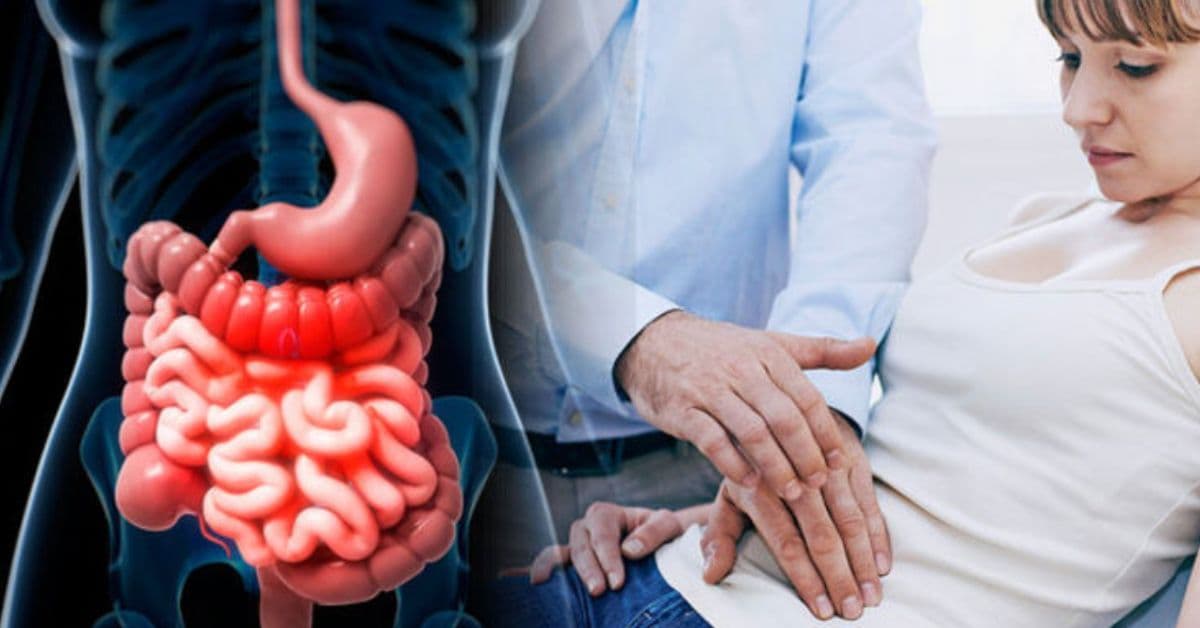
Understanding the symptoms and risk factors is not merely a medical necessity—it is a powerful form of self-protection. When people know what to look for, they are far more likely to seek help at the right moment, giving themselves the best possible chance at a full recovery.
Why Awareness Matters
Colon cancer often develops silently. In its early stages, many patients experience little to no pain at all. This is exactly what makes it so dangerous: by the time discomfort becomes impossible to ignore, the disease may already be progressing.
The good news, however, is that regular awareness and timely medical evaluation dramatically improve the chances of successful treatment. Early detection can mean the difference between a simple medical intervention and a life-threatening situation.
That is why learning these symptoms is essential—not only for yourself but also for the people you care about.
Key Risk Factors You Should Understand
While colon cancer can affect anyone, certain lifestyle habits, health conditions, and environmental influences can significantly increase the likelihood of its development. By recognizing these risks, individuals can take meaningful steps toward prevention and long-term health.
Excess Body Weight
Being overweight or obese is a well-known risk factor for colon cancer in both men and women. Excess fat, particularly around the abdomen, promotes inflammation, hormonal imbalances, and metabolic changes that negatively affect the digestive system. Over time, this can create an environment where cancerous cells are more likely to form.
Maintaining a healthy weight through balanced nutrition and physical activity is one of the simplest ways to lower this risk.
Lack of Physical Activity
A sedentary lifestyle weakens overall health, slows digestion, and affects the body’s ability to use insulin efficiently—factors that can contribute to cancer development. Even moderate exercise, such as walking for 30 minutes a day, has been shown to significantly reduce the risk. Movement keeps the digestive tract active, supports proper hormone regulation, and strengthens the immune system.
Diet Low in Natural, Whole Foods
Nutrition plays a powerful role in colon health. A diet rich in fresh vegetables, fruits, and whole grains supports proper digestion and reduces inflammation throughout the body. These foods contain fiber, vitamins, minerals, and antioxidants that help protect the colon’s lining.
On the other hand, frequent consumption of processed foods and fried meats can increase cancer risk. Reducing fatty, fried, or heavily processed meals is a small change with a big long-term impact.
Alcohol Consumption
Several studies have shown a strong link between alcohol intake and colon cancer risk, especially in men. Alcohol can damage the cells lining the digestive tract, making it easier for abnormal cells to develop. While complete abstinence is not required, keeping alcohol consumption to a minimum is highly recommended.
7 Hidden Symptoms of Colon Cancer Everyone Should Know
Because early symptoms can often appear mild or unrelated to serious illness, many people delay seeking medical attention. Understanding these signs can help individuals act sooner rather than later.
1. Rectal Bleeding
Any sign of blood—no matter the color, quantity, or frequency—should be taken seriously. Even a small amount of blood can indicate a change in the colon or rectum that requires medical evaluation. People often attribute bleeding to hemorrhoids, but ignoring it can be a dangerous mistake. This is one of the earliest and most important warning signs.
2. Unexplained Weight Loss
Losing weight without making changes to diet or physical activity is never normal. Colon cancer can interfere with how the body absorbs nutrients, or it may trigger metabolic changes that cause sudden weight loss. If the pounds start dropping without explanation, it is essential to consult a specialist.
3. Cramping or Abdominal Pain
Persistent abdominal discomfort—especially a cramping, squeezing, or sharp sensation—can be an indication that something is interrupting normal colon function. While occasional stomach pain can be harmless, ongoing or worsening discomfort should not be ignored.
4. Constant Fatigue
If the body is losing small amounts of blood internally due to a tumor, it may lead to anemia. This causes deep, persistent fatigue that does not improve with rest. Feeling unusually tired or lacking energy can be one of the earliest internal warning signs of colon cancer.
5. Digestive Changes: Diarrhea or Constipation
A sudden shift in bowel habits—whether diarrhea, constipation, or unpredictable fluctuation between both—can signal a blockage or irritation inside the colon. Consistency and routine are normal for healthy digestion, so noticeable changes should be taken seriously.
6. Jaundice
Yellowing of the skin or eyes may indicate that cancer has affected the liver or bile ducts. Although jaundice can have numerous causes, it is always considered a serious symptom. Immediate medical evaluation is essential.
7. Discomfort After Bowel Movements
If you feel as though your bowels have not fully emptied or experience an unusual sensation after using the bathroom, this may be related to a change in the rectum or lower colon. People often ignore this symptom, assuming it’s temporary, but it can be one of the most overlooked early signs.
Why You Should Never Ignore These Signs
It is important to understand that these symptoms can also be caused by infections, inflammation, digestive disorders, or other non-cancerous conditions. However, that does not make them any less important. The earlier a medical professional evaluates these changes, the sooner a proper diagnosis can be made—and early diagnosis saves lives.
You should never wait for symptoms to “go away on their own.” The colon is one of the most vital organs for detoxification, digestion, and nutrient absorption. When something affects it, the entire body feels the consequences.
Take Control of Your Health Today
Listening to your body is the first and most powerful step toward protection. If you recognize any of the symptoms listed above—or if you have risk factors such as excess weight, a poor diet, or a sedentary lifestyle—consider scheduling a medical check-up as soon as possible.
Colon cancer is curable when caught early. Awareness, attention, and timely action can truly save your life or the life of someone you love.
Vau.ge – Your Daily Guide for Practical Advice!
Vau.ge is a place where caring for your health, beauty, and daily routines becomes a natural, accessible, and enjoyable experience. Our main goal is to provide you with reliable information about natural remedies, homemade recipes, and practical tips that help you live a healthier life, look better, and simplify your everyday tasks without unnecessary expenses.
Our tips are easy to incorporate into your everyday life — whether it’s skincare, haircare, health-boosting remedies, or small tricks to save time. This knowledge will not only improve your own life but also allow you to share the experience with others, giving more people the chance to live a balanced life naturally and economically.
Please note: The articles on our website are for informational purposes only and do not replace professional medical advice. If you have serious health concerns, please consult a qualified specialist.