














Bay leaves are a familiar and beloved ingredient in kitchens around the world. Most people know them for the subtle aroma they add to soups, sauces, and stews. Yet beyond the culinary world, bay leaves have a long history of being used in traditional remedies and natural wellness practices. Many cultures have valued them for their soothing scent, cleansing qualities, and their role in various home care preparations.
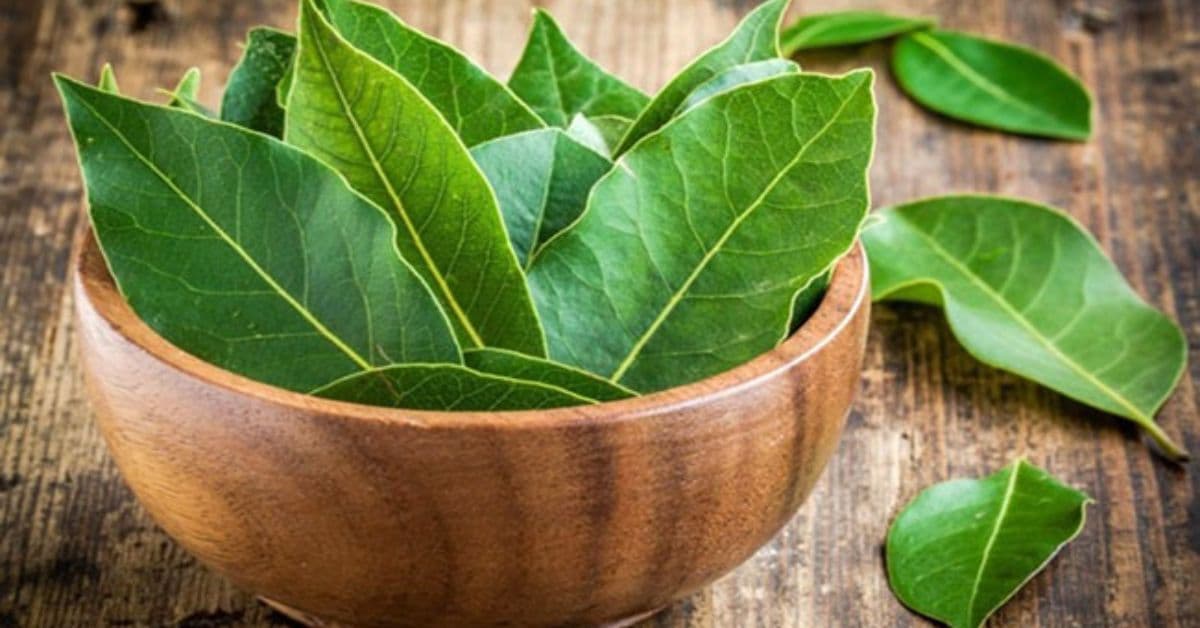
One of the most interesting ways people use bay leaves is by creating bay leaf–infused oil, a preparation believed to carry the beneficial properties of the plant. While bay leaves alone cannot replace medical treatment, many individuals enjoy using bay leaf oil as part of their wellness routines—particularly for relaxation, skin care, and general self-care.
Below, you’ll learn more about bay leaves, their traditionally recognized qualities, how bay leaf oil is typically made, and the ways people often incorporate it into home care practices.
Bay Leaves: More Than a Kitchen Staple
Although bay leaves are best known for their use in cooking, the plant itself—Laurus nobilis, also known as the bay laurel—has been used since ancient times. In Greek and Roman tradition, bay leaves symbolized strength, wisdom, and protection. Over centuries, the leaves became a staple not just in kitchens but also in herbal preparations.
People often turn to bay leaves because they contain natural aromatic compounds. These compounds give bay leaves their distinctive fragrance and are the reason they are commonly used in infused oils, bath blends, and aromatherapy-like applications. While bay leaves are not a cure for health conditions, many individuals find them soothing and helpful in everyday self-care routines.
What Is Bay Leaf Oil?
Bay leaf oil is an infused oil, not to be confused with essential oil. Essential oils are highly concentrated extracts obtained through distillation, while infused oils are much gentler and made by steeping plant material in a carrier oil over time.
The infused oil draws out the bay leaf’s natural aroma and characteristics, creating a mild, versatile product that people use for:
- Relaxation and aromatic purposes
- Gentle skin care routines
- Massage oil blends
- Traditional home remedies
Many find bay leaf oil especially appealing because it is simple to prepare and can be used in many homemade wellness products.
Potential Benefits of Bay Leaf Oil (Traditional Uses)
Bay leaf oil has a long tradition of use in natural wellness, although its properties should be understood as part of folk or supportive care practices rather than medical solutions. Below are some commonly mentioned traditional uses:
1. Supporting Relaxation and Calm
The aromatic components of bay leaves have a naturally soothing scent. Many people find that massaging the infused oil onto the skin or using it in warm compresses adds a sense of comfort and relaxation after a long day.
2. Enhancing Skin Care Routines
Some individuals use bay leaf oil in homemade skin lotions or as a light facial application. It is believed to help calm the skin’s appearance and may be useful for people who struggle with occasional redness or uneven texture. While it is not a treatment for acne, many appreciate its gentle, refreshing feel on the skin.
3. Promoting a Sense of Warmth and Circulation
Traditionally, bay leaf oil has been used in massage practices because of its warming qualities. When gently massaged onto the skin, the infused oil creates a comforting sensation that many describe as supportive during relaxation or muscle-care routines.
4. General Wellness Rituals
In many homes, bay leaf oil is also used simply because it feels pleasant and grounding. Some cultures include it in wellness rituals, aromatic baths, or seasonal self-care traditions.
How to Make Bay Leaf–Infused Oil at Home
One of the reasons bay leaf oil is so popular is that it is incredibly easy to prepare. The method below is a traditional approach used for creating infused oils for aromatic and cosmetic purposes.
Important:
This preparation is intended for general wellness or topical cosmetic use only. Always perform a patch test before applying any homemade oil to your skin. Avoid using it if you have allergies or sensitivities to bay leaves or the carrier oil.
Ingredients
- 30 grams of bay leaves (fresh or dried; dried is more common)
- 250 milliliters of olive oil or sunflower oil (or another neutral carrier oil)
Preparation Method
- Choose a clean, dry glass jar.
Moisture can cause spoilage, so make sure the jar is completely dry before you begin. - Crumble or lightly crush the bay leaves.
This helps them release more of their natural aroma into the oil. - Pour the carrier oil over the leaves.
Ensure that the leaves are fully submerged to prevent mold growth. - Seal the jar and store it in a cool, dark place.
Sunlight can reduce the quality of the oil, so darkness is essential. - Let it infuse for 14 days.
Every few days, gently shake the jar to help the infusion process. - Strain the oil.
After two weeks, strain the mixture through clean gauze or a fine cloth. Transfer the finished oil to a fresh jar or bottle.
The result is a pleasantly scented oil that you can use in many small daily rituals, from gentle massage to homemade skincare blends.
How People Commonly Use Bay Leaf Oil
Once your bay leaf oil is ready, there are many ways to integrate it into everyday self-care. Here are some popular approaches:
For Skin Care
Many people add a few drops of bay leaf oil to their usual moisturizer. This gives their skincare routine a subtle herbal scent and a nourishing feel. Others use it as a lightweight facial oil, applying it sparingly to keep the skin soft and balanced.
For Relaxation
A small amount of bay-infused oil can be used in a calming massage or applied to the temples and neck for its soothing aroma. Some enjoy using it before bedtime to unwind.
In Hair Care
Because carrier oils like olive and sunflower oil help nourish hair, some individuals use bay leaf oil in scalp massages or mix it into hair masks. This can leave the hair feeling softer and more conditioned.
In Aromatic Rituals
Bay leaf oil is also added to warm baths, homemade candles, or diffusers (if the oil is safe for the device). Its herbaceous scent creates an atmosphere of comfort and tranquility.
Safety Notes
Bay leaf oil is generally mild, but a few precautions are important:
- Always test the oil on a small patch of skin to check for sensitivity.
- Use only small amounts at a time, as concentrated plant infusions can irritate sensitive skin.
- Avoid using the oil internally.
- People with chronic health conditions, allergies, or those who are pregnant should consult a professional before using homemade oils on the skin.
Final Thoughts
Bay leaves may seem simple, but they carry centuries of tradition and a surprising number of uses beyond cooking. Transforming them into an infused oil is an enjoyable way to explore their aromatic qualities and incorporate them into your daily self-care routines.
Whether you use bay leaf oil in skincare, relaxation practices, or homemade wellness rituals, it offers a natural, comforting touch to everyday life—reminding us that even the most familiar kitchen herbs can have remarkable versatility.
Vau.ge – Your Daily Guide for Practical Advice!
Vau.ge is a place where caring for your health, beauty, and daily routines becomes a natural, accessible, and enjoyable experience. Our main goal is to provide you with reliable information about natural remedies, homemade recipes, and practical tips that help you live a healthier life, look better, and simplify your everyday tasks without unnecessary expenses.
Our tips are easy to incorporate into your everyday life — whether it’s skincare, haircare, health-boosting remedies, or small tricks to save time. This knowledge will not only improve your own life but also allow you to share the experience with others, giving more people the chance to live a balanced life naturally and economically.
Please note: The articles on our website are for informational purposes only and do not replace professional medical advice. If you have serious health concerns, please consult a qualified specialist.