














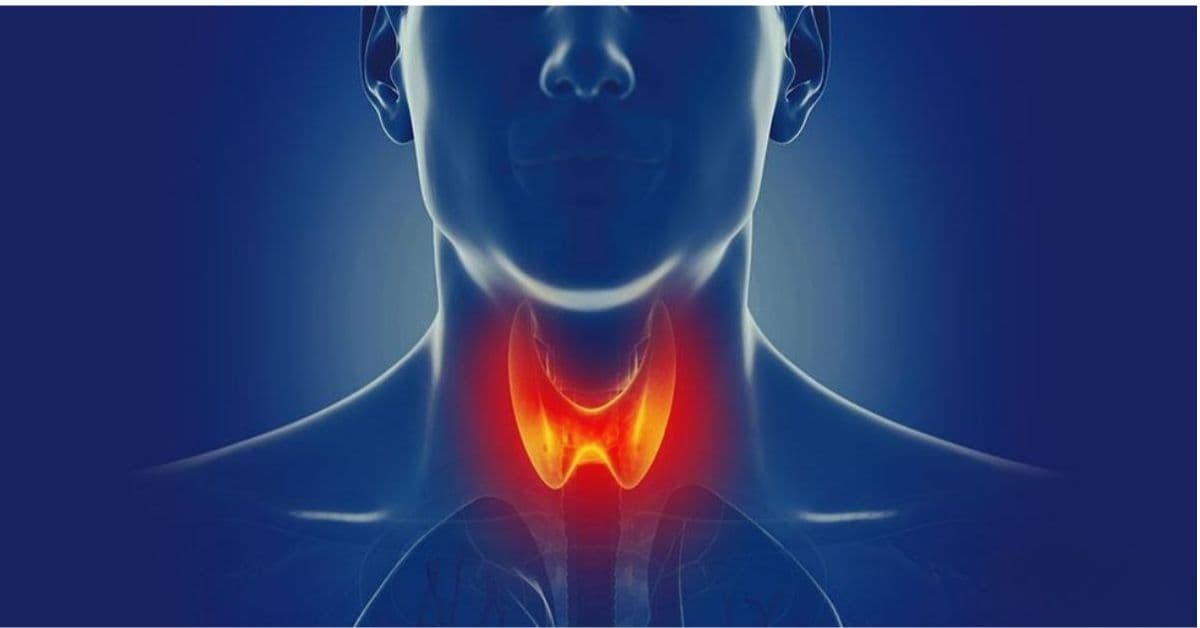
The thyroid gland plays a crucial role in regulating metabolism, energy levels, and overall hormonal balance in the body. Despite its small size, it impacts virtually every organ system, making thyroid health essential for well-being. One common condition, hypothyroidism, occurs when the thyroid does not produce enough hormones, leading to a cascade of health issues. It is most frequently diagnosed in women, though men can also be affected. The challenge lies in the fact that hypothyroidism often develops silently, with symptoms appearing subtly and gradually. Many individuals mistake these signs for simple fatigue, stress, or vitamin deficiencies rather than an underlying thyroid disorder.
Recognizing the early indicators of thyroid dysfunction is critical. Timely diagnosis and treatment can prevent complications and significantly improve quality of life. Below, we explore twelve key symptoms that may suggest thyroid problems and explain why monitoring your health is so important.
Persistent Fatigue and Depression
One of the earliest and most common symptoms of hypothyroidism is persistent fatigue and feelings of depression. Thyroid hormones are closely linked to the production of serotonin in the brain, which regulates mood and emotional stability. A deficiency in these hormones can make a person feel constantly tired, sluggish, or emotionally drained. In some cases, the lack of thyroid hormones may even contribute to increased irritability, anxiety, or mood swings. Experiencing prolonged low energy or depressive tendencies without a clear cause should prompt a check of thyroid function.
Digestive Disturbances
Thyroid hormones also influence digestive function, so an imbalance can lead to frequent constipation or irregular bowel movements. Hypothyroidism slows down metabolism, which can result in reduced intestinal motility. This digestive disruption often appears as a common complaint among patients, though it may not immediately point to the thyroid as the root cause. Persistent digestive issues should be evaluated in the context of other symptoms.
Excessive Sleepiness and Daytime Weakness
Despite getting enough rest, individuals with hypothyroidism often feel an overwhelming sense of sleepiness. Some may sleep twelve hours a day yet still feel fatigued. This extreme tiredness, especially in the mornings, signals a significant metabolic slowdown. If you notice consistent daytime drowsiness or lack of energy that affects your daily activities, it is a warning sign that the thyroid may not be functioning optimally.
Hair Thinning and Dry Skin
Slowed metabolism due to thyroid hormone deficiency affects hair and skin health. The hair may become brittle, thin, or fall out excessively, while the skin may appear dry, pale, or even slightly yellowish. These changes occur because the tissues are not receiving adequate nutrition and circulation is slowed. Observing hair loss or persistent skin dryness, particularly if accompanied by other symptoms, warrants a thyroid evaluation.
Unexplained Weight Gain
Unexpected weight gain is a hallmark symptom of hypothyroidism. Unlike weight gain caused by dietary habits, hypothyroid-related weight changes often persist despite exercise or diet efforts. This occurs because the metabolic rate drops, leading to slower calorie burning. If you notice progressive weight gain without a clear reason, it may be tied to thyroid hormone deficiencies.
Reduced Libido
Hormonal imbalances caused by thyroid dysfunction can affect sexual health. Women may experience decreased libido, while men may notice reduced sexual performance or energy. This effect is linked to the interplay between thyroid and sex hormones. Ignoring these changes may compromise both physical and emotional relationships, so addressing them is vital.
Muscle Pain and Cramps
Thyroid hormones influence the nervous system’s communication with muscles. In hypothyroidism, insufficient hormone levels can cause muscle aches, stiffness, or cramps. These symptoms may appear sporadically or as persistent discomfort. Over time, untreated hypothyroidism may lead to nerve involvement, exacerbating musculoskeletal pain and reducing mobility.
Heart Rhythm Irregularities
The heart is highly sensitive to thyroid hormone levels. Hypothyroidism may slow the heart rate or cause palpitations, arrhythmias, or discomfort in the chest. Patients may also notice shortness of breath during minor exertion or unusual fatigue. Because the cardiovascular system is significantly impacted, cardiac symptoms alongside other signs should prompt urgent medical evaluation.
Cognitive Difficulties
Thyroid hormone deficiency can impair cognitive function, leading to poor memory, trouble concentrating, and slower information processing. Many women attribute these issues to “normal forgetfulness,” yet in reality, it may be a symptom of hypothyroidism. Difficulty remembering recent events, learning new information, or staying focused at work or home is a serious concern.
Low Blood Pressure
Hypothyroidism may contribute to hypotension, or lower-than-normal blood pressure. This can cause dizziness, fainting, or persistent fatigue. Low blood pressure alone may not indicate thyroid issues, but when combined with other symptoms, it strengthens the case for further testing.
Swelling and Puffiness
Fluid retention is a common thyroid symptom. Swelling of the face, hands, or feet may be noticeable, along with thickening of the tongue or a puffy appearance around the eyes. This puffiness occurs because the metabolism slows and fluid distribution is impaired. Visible swelling should never be ignored, particularly if it is accompanied by other thyroid-related signs.
Throat Discomfort
Changes in the thyroid can lead to discomfort in the throat, including a sensation of a lump, difficulty swallowing, or a hoarse voice. In some cases, the gland itself may enlarge, a condition known as goiter. Prompt evaluation by an endocrinologist is essential if you experience persistent throat issues.
Final Thoughts
Many of these symptoms may seem minor or easily attributed to everyday stress, diet, or aging. However, when combined, they create a strong indication of thyroid dysfunction. Timely intervention can prevent the condition from worsening and significantly improve overall health. Regular check-ups, blood tests to monitor thyroid hormone levels, and consultation with an endocrinologist are critical steps for maintaining thyroid health and ensuring that these silent yet serious symptoms do not progress into more severe complications.
Vau.ge – Your Daily Guide for Practical Advice!
Vau.ge is a place where caring for your health, beauty, and daily routines becomes a natural, accessible, and enjoyable experience. Our main goal is to provide you with reliable information about natural remedies, homemade recipes, and practical tips that help you live a healthier life, look better, and simplify your everyday tasks without unnecessary expenses.
Our tips are easy to incorporate into your everyday life — whether it’s skincare, haircare, health-boosting remedies, or small tricks to save time. This knowledge will not only improve your own life but also allow you to share the experience with others, giving more people the chance to live a balanced life naturally and economically.
Please note: The articles on our website are for informational purposes only and do not replace professional medical advice. If you have serious health concerns, please consult a qualified specialist.