












Caring for a baby is one of the most delicate and emotionally significant responsibilities any parent can have. Choosing the right products—from shampoos to lotions and powders—feels like a simple part of daily routines. Yet, what if some of these innocent-looking items carry hidden dangers? What if products created specifically for babies contain chemicals that could interfere with their development?
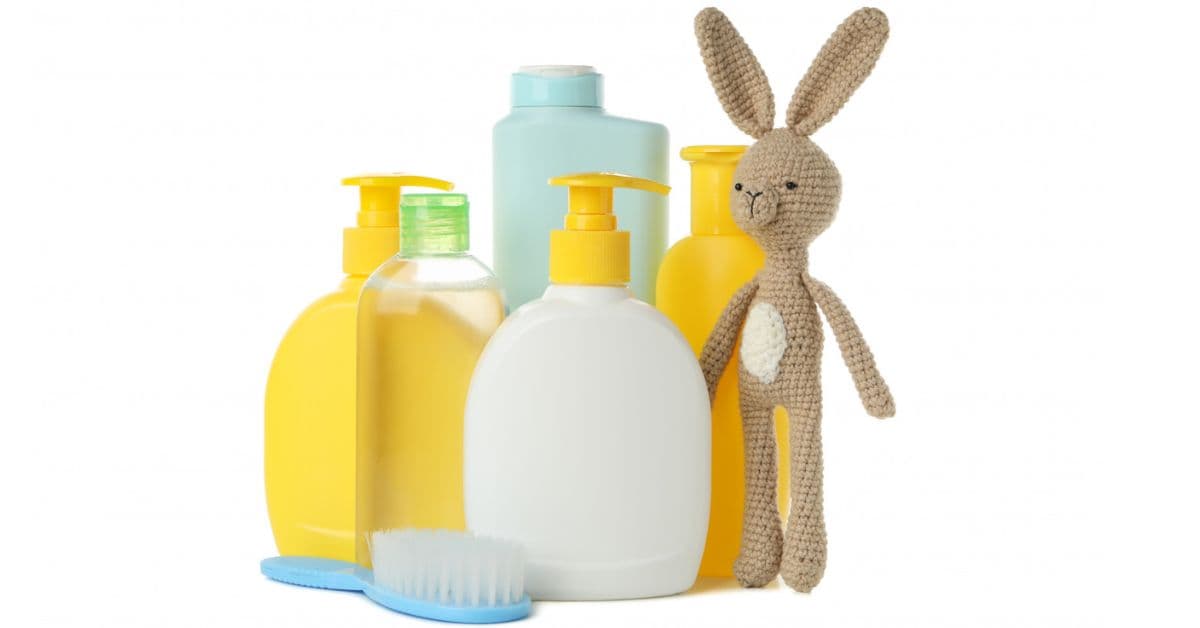
According to chemists at the University of Washington and pediatric specialists at the Children’s Hospital of Pittsburgh, certain widely used baby care products may pose risks to a child’s health. Their warnings revolve around a group of chemicals known as phthalates—substances commonly used in personal care items and plastic manufacturing. Emerging research suggests that these chemicals could negatively impact infants, particularly affecting their hormonal and reproductive development.
This discovery raises an urgent question for parents: How safe are the everyday products we apply to our babies’ skin?
Understanding the Hidden Chemicals in Baby Products
Many parents trust popular baby care brands believing they are gentle, carefully tested, and safe for daily use. However, researchers have discovered that products such as baby lotions, shampoos, and powders may contain phthalates, a class of chemicals linked to potential developmental harm.
Phthalates are not intentionally included in baby products for health purposes. Instead, they often appear because they help manufacturers achieve certain qualities:
- They soften plastics, making packaging flexible.
- They stabilize fragrances, helping baby products maintain their pleasant smell.
Because fragrance formulations are often considered proprietary, companies are not required to disclose every ingredient, making phthalates even harder for parents to identify on labels.
Why Phthalates Are a Concern for Babies
While adults are also exposed to phthalates daily, the concern is far greater for infants. Babies are more vulnerable because their bodies are still forming critical biological systems, including their hormonal and reproductive development.
Pediatric researchers studying infants’ laboratory analyses found that exposure to phthalates may interfere with:
- Endocrine (hormonal) function
- Reproductive system development
- Normal metabolic processes
Infants also metabolize chemicals differently than adults, making even small exposures potentially more harmful.
The findings suggest that consistent exposure—especially during the earliest months of life—may lead to deeper long-term consequences. Because infants absorb substances more easily through their delicate skin and breathe in more air per kilogram of body weight than adults, the risk multiplies.
Where Are Phthalates Found? More Places Than You Think
Although many parents assume that phthalates exist only in plastic toys or industrial products, the reality is more concerning. These chemicals are extremely common and found in a wide variety of everyday items.
Phthalates appear in:
- Baby toys and teething objects
- Newborn care products such as lotions, oils, powders, and shampoos
- Women’s cosmetics, including perfumes and nail polish
- Food packaging
- Vinyl flooring and household materials
- Medical supplies, such as blood storage bags and tubing
This widespread use means that parents may unknowingly expose their children to these chemicals through multiple sources.
How Phthalates Enter a Baby’s Body
Experts from the U.S. research teams explain that phthalates enter the body in several ways. One major route is inhalation.
When products containing phthalates are used, the chemicals can vaporize or attach to tiny dust particles in the air. Babies then breathe in these particles while sleeping, crawling, playing, or simply being held. Since infants spend a large amount of time close to surfaces—including floors and bedding—exposure can be continuous.
Another route is absorption through the skin. When parents apply lotion, shampoo, or powder, the substances come into direct contact with delicate infant skin, which absorbs chemicals more readily than adult skin.
Additionally, babies often put objects into their mouths, providing another pathway for phthalates to enter.
The Role of Fragrance: A Hidden Source of Exposure
One of the most surprising sources of phthalates in baby care products is fragrance. Parents often choose products with appealing scents, associating them with cleanliness and freshness. However, the ingredients behind these fragrances can be problematic.
Manufacturers are not legally required to reveal the specific chemicals used to create fragrance blends. Under the label “fragrance,” dozens—or even hundreds—of synthetic ingredients may be hidden, including phthalates. This makes it nearly impossible for parents to determine whether a product is truly safe by simply reading the packaging.
Researchers warn that even products labeled “gentle,” “natural,” or “hypoallergenic” may still contain fragrance-related phthalates unless specifically stated otherwise.
Why Children’s Developing Bodies Are Especially Sensitive
The early years of life are a critical period for growth. During this time, the endocrine system—responsible for hormones—plays a key role in regulating:
- Physical growth
- Reproductive organ development
- Brain function
- Immune system activity
Phthalates belong to a category of chemicals known as endocrine disruptors. These substances mimic or interfere with the body’s natural hormones, potentially altering developmental processes. Even small disruptions to hormonal balance at an early age may have lasting effects.
Researchers emphasize that the concern is not isolated exposure. Rather, the accumulation of tiny exposures from multiple sources may gradually influence a child’s long-term health.
What Parents Can Do: Staying Aware and Making Safer Choices
While it is impossible to eliminate all environmental exposure to chemicals, parents can take steps to reduce unnecessary risks. Choosing phthalate-free products, minimizing strong fragrances, and being mindful of ingredients can make a difference.
Looking for simple indicators such as:
- “Fragrance-free” instead of “unscented”
- Labels certified as phthalate-free or paraben-free
- Shorter ingredient lists
…can help parents navigate safer options.
Although these steps require awareness and effort, they can significantly lower the amount of potentially harmful chemicals entering a baby’s body.
Conclusion: Awareness Is the First Step to Protection
The research from the University of Washington and the Children’s Hospital of Pittsburgh highlights a concern that every parent deserves to understand. Baby products, despite their soft colors and gentle claims, may contain chemicals capable of influencing an infant’s development.
The goal is not to create fear, but to encourage informed choices. Parents should know what is in the products they trust and seek alternatives that support their child’s long-term health.
By increasing awareness and choosing safer products, families can take an active role in protecting their children during the most important stages of growth. Sometimes, small changes can make the biggest difference.
Vau.ge – Your Daily Guide for Practical Advice!
Vau.ge is a place where caring for your health, beauty, and daily routines becomes a natural, accessible, and enjoyable experience. Our main goal is to provide you with reliable information about natural remedies, homemade recipes, and practical tips that help you live a healthier life, look better, and simplify your everyday tasks without unnecessary expenses.
Our tips are easy to incorporate into your everyday life — whether it’s skincare, haircare, health-boosting remedies, or small tricks to save time. This knowledge will not only improve your own life but also allow you to share the experience with others, giving more people the chance to live a balanced life naturally and economically.
Please note: The articles on our website are for informational purposes only and do not replace professional medical advice. If you have serious health concerns, please consult a qualified specialist.