












Apple cider vinegar has earned a reputation as one of the most versatile natural remedies in traditional medicine. For generations, people have relied on it to soothe digestive discomfort, support detoxification, improve metabolism, and even disinfect certain infections. While high-quality vinegar can be purchased at any store, homemade apple cider vinegar is often richer in enzymes, nutrients, and natural fermentation compounds that commercial versions may lack. With the right method, you can easily prepare it at home and take advantage of its potential health benefits.
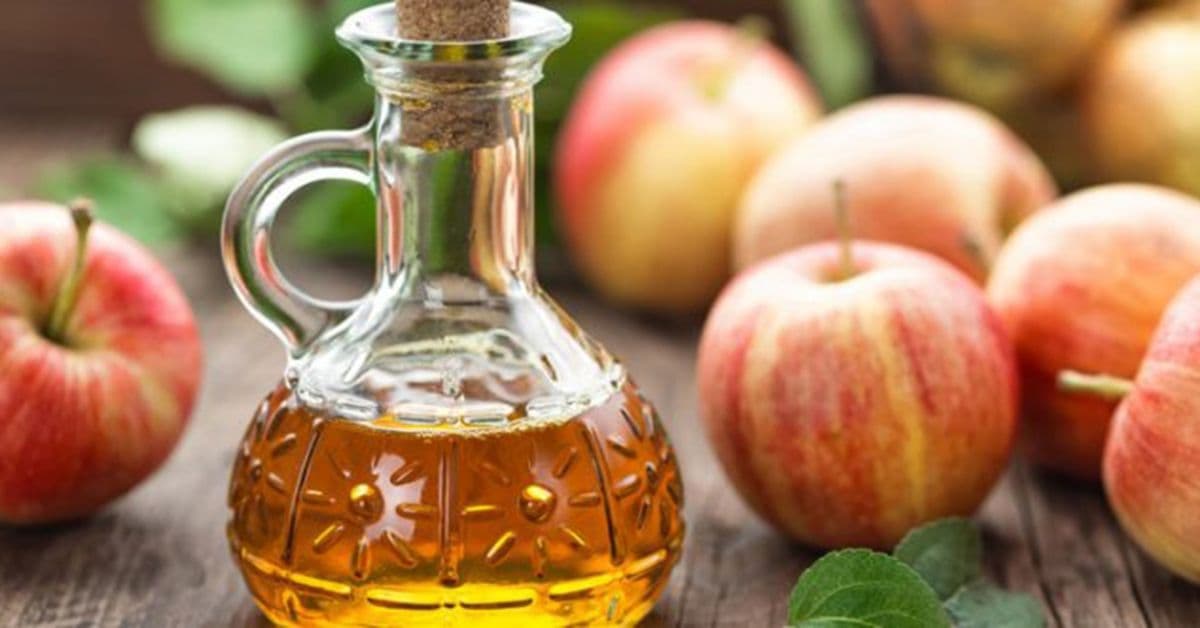
Below, you will find a comprehensive guide on how apple cider vinegar works, how it can be used during food poisoning or digestive imbalance, and a detailed step-by-step process for preparing it naturally. Unlike store-bought options that may be pasteurized or filtered, homemade vinegar maintains its “mother”—the beneficial culture of bacteria and yeast known to enhance its healing properties.
Using Apple Cider Vinegar for Food Poisoning and Digestive Distress
Food poisoning often begins with symptoms such as nausea, vomiting, abdominal cramps, or diarrhea. In traditional natural medicine, diluted apple cider vinegar has long been used as a gentle home remedy to help the stomach recover, rebalance intestinal flora, and support hydration. Vinegar’s natural acidity can also help slow the growth of certain harmful microorganisms.
If you are experiencing mild symptoms, one classic method involves slowly sipping diluted vinegar in progressive amounts throughout several hours. Start by dissolving one teaspoon of apple cider vinegar in a glass of water. Instead of drinking it all at once, take one small sip every five minutes. This slow approach gives your stomach time to settle.
Within four hours, you should be able to finish the entire glass. Once completed, prepare a second glass using the same ratio of water and vinegar. This time, drink two sips every five minutes. When you move on to the third glass, increase the interval by taking a few sips every fifteen minutes. This gradual schedule is designed to prevent irritation and to give the digestive system steady support.
If diarrhea or nausea continues, you may continue drinking diluted apple cider vinegar throughout the day, always in small quantities. In the evening, it is advisable to eat a light meal—something easy on the stomach such as soup, steamed vegetables, or plain grains. For many people, this combination helps the digestive tract stabilize.
To support healthy digestion long-term, you may drink one glass of diluted vinegar with each meal for two or three days. This is believed to help regulate stomach acidity, stimulate digestive enzymes, and assist the natural restoration of the gastrointestinal tract.
How to Make Homemade Apple Cider Vinegar: Traditional Method
Homemade apple cider vinegar requires only a few simple ingredients but does demand patience. The fermentation process can take anywhere from forty to sixty days, during which the mixture must be kept at a stable temperature and allowed to breathe.
Preparing the Apples
Start by washing the apples thoroughly. Remove any bruised, moldy, or insect-damaged portions, as they can negatively affect fermentation. Once cleaned, crush or grate the apples into a coarse pulp. The pulp should then be transferred into an enamel, glass, or wooden container. Avoid metal containers because they can react with the acidity.
For every 0.4 kilograms of apples, add half a liter of warm, previously boiled water. The warmth helps activate fermentation without killing beneficial microorganisms. For each liter of water used, mix in 100 grams of honey or sugar, 10 grams of baker’s yeast, and about 20 grams of dried black bread. These ingredients help kick-start the fermentation process by feeding the natural yeasts and bacteria.
The container should be left uncovered, but loosely covered with a cloth to prevent insects from entering. Place it in a warm environment—ideally between 20°C and 30°C. The mixture needs air exposure, as this fermenting stage is aerobic, meaning oxygen is required for the vinegar to form properly. Too little air circulation could disrupt fermentation.
A small amount of alcohol—less than 20% of the sugar quantity—can help accelerate vinegar formation, although this step is optional.
First Stage of Fermentation (Days 1–10)
During the first ten days, the mixture should remain in a warm place. Stir it two or three times daily with a wooden spoon. This ensures the apple pulp stays moist and evenly ferments. After ten days, strain the mixture through cheesecloth or a fine cloth bag, squeezing out the juice completely. This juice will be the base for the next stage.
Once strained, filter the liquid a second time to remove smaller particles. Weigh the juice, then pour it into a wide-mouthed container to provide enough spacefor oxygen exposure. At this stage, you may add another 50 to 100 grams of honey or sugar per liter of liquid, mixing well until the texture becomes completely uniform.
Second Stage of Fermentation (Days 10–60)
Cover the container with a layer of cheesecloth and secure it to keep dust and insects out. Return the mixture to a warm place and allow it to continue fermenting. Over time, you will notice bubbles, foam, or cloudiness—this is normal and indicates that the natural fermentation is active.
Fermentation is considered complete once the liquid becomes clear, calm, and significantly more acidic. This entire process typically takes between forty and sixty days, depending on temperature and sugar content.
When ready, filter the vinegar once again through cheesecloth or a cloth-lined funnel. Transfer it into clean glass bottles, seal them well, and store them in a cool, dark place. Properly prepared apple cider vinegar will continue to mature and can last indefinitely.
Why Homemade Vinegar Is Special
While commercial vinegar is convenient, homemade vinegar contains live enzymes and probiotic cultures that are often destroyed during pasteurization. These elements may support gut health, digestion, and nutrient absorption. Moreover, preparing your own vinegar ensures purity—no preservatives, artificial flavors, or unwanted additives.
Because the fermentation process is slow and natural, homemade vinegar also tends to have a smoother, richer flavor. Many people find it more aromatic and pleasant than store-bought options.
Important Precautions
Apple cider vinegar is acidic, so it should always be diluted before consumption. Drinking it undiluted may irritate the throat or damage tooth enamel. People with stomach ulcers or severe acid reflux should also proceed with caution and consult a healthcare provider before usage.
Although this traditional remedy may soothe mild digestive discomfort, persistent or severe symptoms require medical attention. Food poisoning that includes high fever, dehydration, blood in stool, or prolonged vomiting should not be treated at home.
Vau.ge – Your Daily Guide for Practical Advice!
Vau.ge is a place where caring for your health, beauty, and daily routines becomes a natural, accessible, and enjoyable experience. Our main goal is to provide you with reliable information about natural remedies, homemade recipes, and practical tips that help you live a healthier life, look better, and simplify your everyday tasks without unnecessary expenses.
Our tips are easy to incorporate into your everyday life — whether it’s skincare, haircare, health-boosting remedies, or small tricks to save time. This knowledge will not only improve your own life but also allow you to share the experience with others, giving more people the chance to live a balanced life naturally and economically.
Please note: The articles on our website are for informational purposes only and do not replace professional medical advice. If you have serious health concerns, please consult a qualified specialist.