













Stomatitis is an inflammatory condition of the oral mucosa that affects people of all ages. It manifests as redness, swelling, pain, and often painful sores or ulcers inside the mouth. For many individuals, stomatitis becomes a serious problem because it interferes with eating, drinking, speaking, and maintaining proper oral hygiene. Although the condition is common, its causes and proper management are often misunderstood.
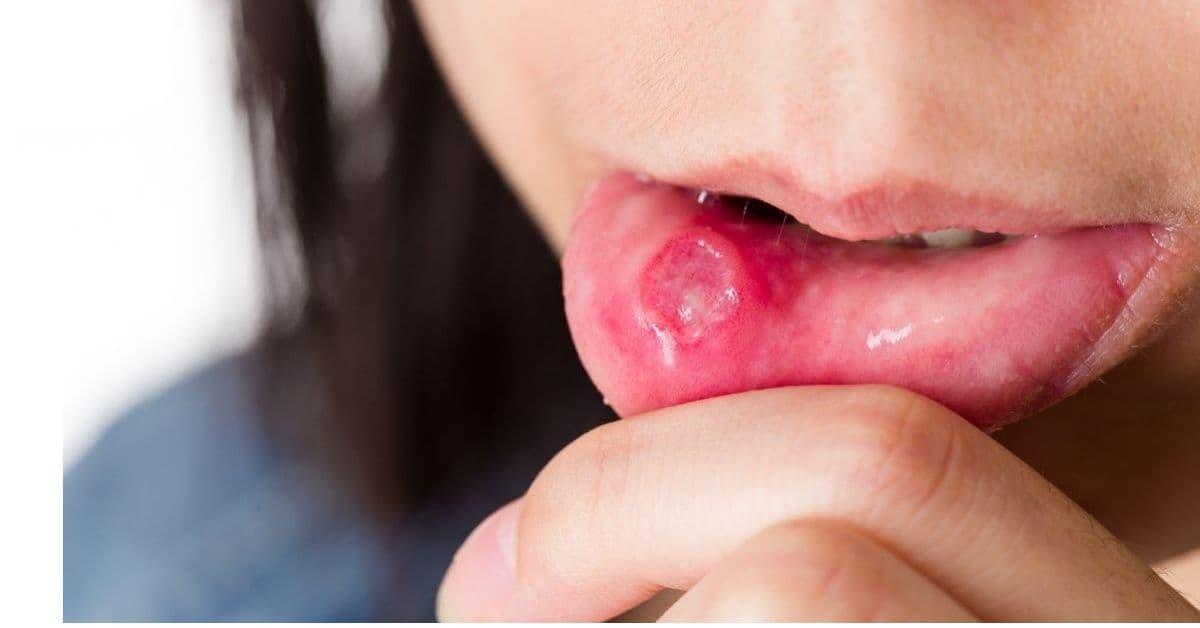
In some cases, stomatitis develops as an independent condition. In others, it appears as a symptom of underlying systemic diseases such as scarlet fever, measles, or other infectious or immune-related disorders. Understanding the nature of stomatitis is essential for choosing the right treatment approach and preventing recurrence.
Why Stomatitis Develops
The oral cavity is one of the most sensitive areas of the human body. It is constantly exposed to bacteria, temperature changes, mechanical irritation, and chemical substances from food and hygiene products. When protective mechanisms weaken, inflammation can easily occur.
One of the most common triggers of stomatitis is a weakened immune system. When general immunity declines, the body becomes less capable of controlling harmful microorganisms in the mouth. This creates favorable conditions for inflammation and ulcer formation. Chronic illnesses, especially those affecting the digestive system or endocrine balance, can also significantly increase the risk.
Nervous system disturbances play an important role as well. Prolonged stress, anxiety, and emotional exhaustion often disrupt immune responses and negatively affect oral health. Many patients notice that stomatitis appears or worsens during periods of intense psychological strain.
Mechanical irritation is another frequent cause. Poorly placed dental fillings, crowns, or improperly installed implants can continuously injure the mucous membrane. Even minor but constant pressure or friction may lead to chronic inflammation that does not heal on its own.
Vitamin deficiencies, particularly a lack of B vitamins, vitamin C, and iron, are strongly associated with stomatitis. These nutrients are essential for maintaining healthy mucous membranes and supporting tissue regeneration. When they are insufficient, the oral lining becomes fragile and prone to injury.
Lifestyle habits also contribute significantly. Smoking damages the oral mucosa, reduces blood circulation, and interferes with healing. Frequent consumption of very hot, cold, salty, or acidic foods further irritates the tissues and can trigger or aggravate inflammation. In addition, the use of poor-quality oral hygiene products—such as overly stiff toothbrushes or alcohol-based mouthwashes—can dry out and damage the mucosa, increasing susceptibility to stomatitis.
Conventional Treatment and Its Limitations
Modern medicine offers a wide range of pharmaceutical treatments for stomatitis, including antiseptic rinses, anti-inflammatory gels, pain-relieving sprays, and, in severe cases, antiviral or antifungal medications. These treatments are often effective and necessary, especially when the condition is acute or caused by infection.
However, many patients seek complementary or alternative approaches. One reason is that medications may cause side effects, particularly with long-term use. Another reason is the long-standing trust in traditional remedies that have been used for centuries and passed down through generations.
Traditional Herbal Approaches to Stomatitis
Folk medicine has long emphasized the importance of herbal infusions and natural rinses in managing oral inflammation. Traditional healers recommend regular mouth rinsing, usually at least four times a day, using warm herbal infusions prepared from medicinal plants known for their anti-inflammatory, antimicrobial, and soothing properties.
These herbal solutions are typically prepared by steeping a small amount of dried plant material in hot water and allowing it to infuse. The resulting liquid is then used to gently rinse the mouth, helping to cleanse the mucosa, reduce swelling, and promote healing.
Various medicinal plants have been traditionally used for this purpose, including chamomile, calendula, eucalyptus, sage, licorice root, oak bark, pine buds, and birch buds. These plants are valued for their ability to reduce inflammation, fight harmful bacteria, and accelerate tissue repair. Many of them also help relieve pain and discomfort, making eating and speaking easier during recovery.
Herbal rinses are especially appreciated because they act gently and naturally. Unlike aggressive chemical solutions, they rarely cause irritation when used correctly and are generally well tolerated by both adults and children.
The Importance of Consistency and Proper Care
While herbal remedies can be effective, their success largely depends on regular and consistent use. Rinsing the mouth only once a day is usually insufficient. Traditional recommendations emphasize frequent application throughout the day to maintain a clean and healing environment in the oral cavity.
Equally important is eliminating the factors that caused the inflammation in the first place. This may include correcting dental work that irritates the mucosa, improving oral hygiene habits, adjusting the diet to avoid irritating foods, and addressing nutritional deficiencies.
Maintaining overall health plays a crucial role as well. Adequate sleep, stress management, and immune support significantly enhance the body’s ability to recover from stomatitis and prevent future episodes.
When Professional Help Is Necessary
Despite the benefits of folk remedies, it is essential to understand their limitations. In cases of severe stomatitis, extensive ulcers, high fever, or intense pain, self-treatment may be insufficient or even risky. The same applies when symptoms do not improve or worsen despite several days of treatment.
Stomatitis can sometimes signal serious underlying conditions that require professional diagnosis and targeted therapy. For this reason, consulting an experienced dentist or healthcare provider is crucial when the disease follows a severe course or fails to respond to home treatment.
A specialist can determine the exact cause of the inflammation, rule out systemic diseases, and prescribe the most appropriate treatment plan. Combining professional medical care with carefully selected traditional remedies often provides the best results.
A Balanced Approach to Oral Health
Stomatitis is a condition that should never be ignored. Although it may seem minor at first, untreated inflammation can lead to complications and significantly reduce quality of life. The combination of modern medical knowledge and time-tested traditional remedies offers a balanced and effective approach to treatment.
By paying attention to oral hygiene, supporting the immune system, addressing nutritional needs, and seeking timely professional advice, it is possible to manage stomatitis successfully and prevent its recurrence. Natural remedies can serve as valuable allies, but they should always be used wisely and responsibly, with respect for the body’s signals and limits.
Vau.ge – Your Daily Guide for Practical Advice!
Vau.ge is a place where caring for your health, beauty, and daily routines becomes a natural, accessible, and enjoyable experience. Our main goal is to provide you with reliable information about natural remedies, homemade recipes, and practical tips that help you live a healthier life, look better, and simplify your everyday tasks without unnecessary expenses.
Our tips are easy to incorporate into your everyday life — whether it’s skincare, haircare, health-boosting remedies, or small tricks to save time. This knowledge will not only improve your own life but also allow you to share the experience with others, giving more people the chance to live a balanced life naturally and economically.
Please note: The articles on our website are for informational purposes only and do not replace professional medical advice. If you have serious health concerns, please consult a qualified specialist.