










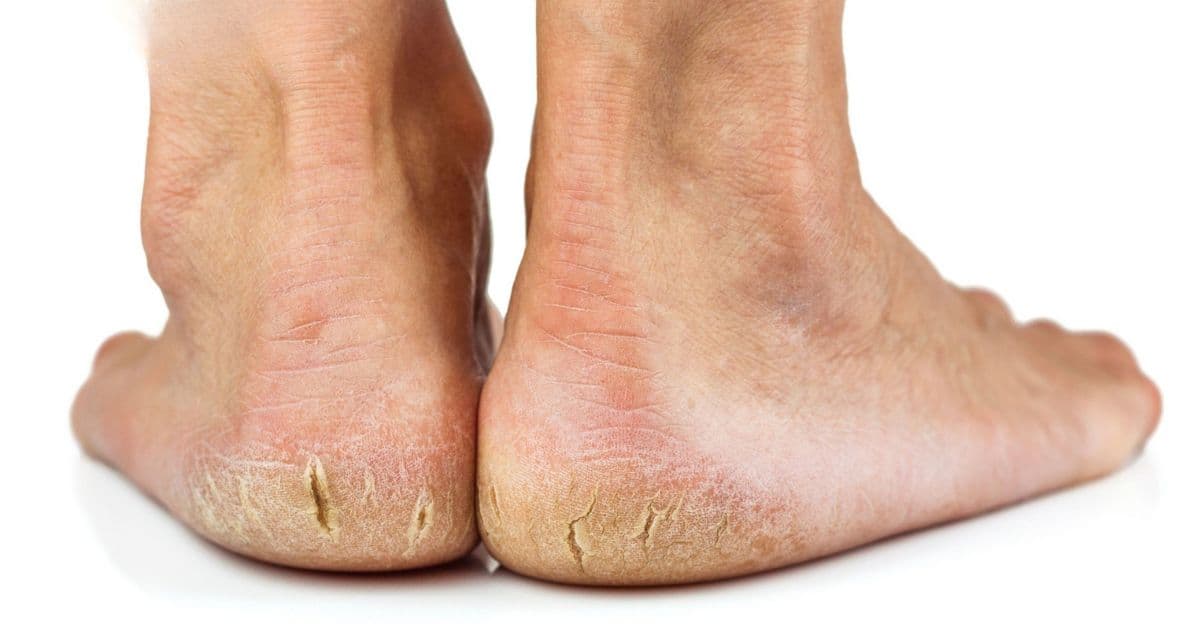
Cracked heels are a common problem affecting many people, especially during hot summer months or in individuals with certain chronic health conditions. The discomfort caused by cracked heels goes beyond cosmetic concerns. These cracks can be painful when walking, and if left untreated, they may become inflamed or even infected. Understanding the causes and taking appropriate care is essential to restore healthy, smooth skin on the heels.
Why Do Cracks Form on the Heels?
Cracks on the heels are often associated with dry skin. Excessive dryness can result from environmental factors, such as wearing closed shoes for extended periods or exposure to harsh surfaces. During the summer, wearing open footwear may leave the skin exposed and more vulnerable to dryness and cracking.
Several health conditions can exacerbate heel cracks. Obesity, diabetes, and poor circulation increase the risk of dry skin and heel fissures. A lack of essential vitamins and minerals in the body can further weaken the skin, reducing its ability to regenerate and maintain elasticity.
Caring for the Skin of Your Heels
The skin on the feet undergoes constant stress due to weight-bearing activities and friction against various surfaces. To maintain healthy heels, regular care is essential. A combination of exfoliation, moisturizing, and protective measures can help prevent and treat cracks.
Exfoliation Techniques
Removing dead skin from the heels is an important first step. A weekly exfoliation using natural pumice stones or specialized foot scrubs can be highly effective. The degree of abrasion should be chosen based on the severity of the skin condition. For those who prefer home remedies, a simple DIY heel scrub can be prepared using household ingredients.
DIY Heel Scrub:
- Mix baking soda with warm water and soak your feet for a few minutes.
- Add a few drops of liquid soap and combine with coarse sea salt.
- Gently massage the mixture onto the heels and surrounding areas.
- Rinse thoroughly with warm water.
Adding essential oils such as tea tree, eucalyptus, or pine can provide antiseptic benefits, preventing infections and aiding in healing.
Herbal Foot Baths and Compresses
Herbal treatments can also soften hardened skin and reduce discomfort. Chamomile, oak bark, and nettle infusions can be used in foot baths or as compresses. To prepare the infusion, add one tablespoon of the dried herbs to a liter of boiling water, allow it to steep, and then immerse the feet or apply as a compress. These natural remedies help soften the skin, making it easier to remove dead tissue and reduce cracks.
Treating Painful Cracks
For painful or inflamed heel fissures, disinfecting the affected areas is essential. Hydrogen peroxide can be used to clean the cracks, which helps harden the damaged skin and protects against infection. This treatment should be repeated at least once a week or more frequently if necessary.
Nutrition for Healthy Heels
Diet plays a critical role in maintaining skin health. Deficiencies in vitamins, particularly vitamin A and E, can contribute to heel dryness and cracking. Vitamin A is vital for skin regeneration, while vitamin E helps maintain skin elasticity and moisture.
Incorporating nutrient-rich foods into the diet can significantly improve skin condition. Recommended foods include fatty fish, such as salmon and mackerel, and other seafood rich in omega-3 fatty acids. Healthy oils like olive, flaxseed, and peanut oil support skin hydration. Nuts, legumes, and tomatoes also provide essential nutrients that enhance skin health.
It is equally important to reduce sugar intake. High glucose levels in the blood can lead to dry, dehydrated epidermis, increasing the risk of cracks. For deep, painful heel fissures, omega-3 supplements can be beneficial. Natural alternatives to sweet desserts, such as snacks made from nuts, seeds, and honey, can support both skin health and overall well-being.
Preventing Cracked Heels
Consistent care and preventive measures are key to avoiding recurring heel cracks. Here are some general tips:
- Moisturize heels daily with creams or natural oils.
- Avoid prolonged walking barefoot on rough surfaces.
- Wear shoes that provide adequate support and ventilation.
- Maintain a balanced diet rich in vitamins and minerals to support skin health.
By addressing both external and internal factors—such as proper hydration, nutrition, and skin care—cracked heels can be effectively treated and prevented.
When to Seek Medical Advice
While most heel cracks can be managed at home, certain cases require medical attention. Deep or painful fissures that do not improve with home treatments may indicate underlying health issues, such as diabetes or vascular problems. Persistent inflammation, bleeding, or signs of infection should prompt consultation with a healthcare professional or podiatrist. Early intervention can prevent complications and support faster healing.
Conclusion
Cracked heels are a common yet treatable condition that can cause discomfort and affect daily activities. By combining proper foot care routines, herbal and natural remedies, and a nutrient-rich diet, the skin on the heels can be restored to health. Preventive measures, including regular moisturizing, exfoliation, and lifestyle adjustments, play a crucial role in maintaining smooth and resilient skin. Paying attention to both nutrition and hygiene ensures that your feet remain healthy, comfortable, and aesthetically pleasing all year round.
Vau.ge – Your Daily Guide for Practical Advice!
Vau.ge is a place where caring for your health, beauty, and daily routines becomes a natural, accessible, and enjoyable experience. Our main goal is to provide you with reliable information about natural remedies, homemade recipes, and practical tips that help you live a healthier life, look better, and simplify your everyday tasks without unnecessary expenses.
Our tips are easy to incorporate into your everyday life — whether it’s skincare, haircare, health-boosting remedies, or small tricks to save time. This knowledge will not only improve your own life but also allow you to share the experience with others, giving more people the chance to live a balanced life naturally and economically.
Please note: The articles on our website are for informational purposes only and do not replace professional medical advice. If you have serious health concerns, please consult a qualified specialist.