











Mustard has been valued for centuries not only as a pungent spice that enhances flavor, but also as a powerful natural remedy with remarkable healing properties. Long before modern medicine, ancient civilizations recognized mustard as a therapeutic plant capable of supporting digestion, easing pain, and strengthening the body. Even Hippocrates, the father of medicine, wrote about mustard’s ability to stimulate the intestines, improve digestion, and reduce swelling. Today, many of these traditional beliefs are supported by scientific understanding of mustard’s active compounds.
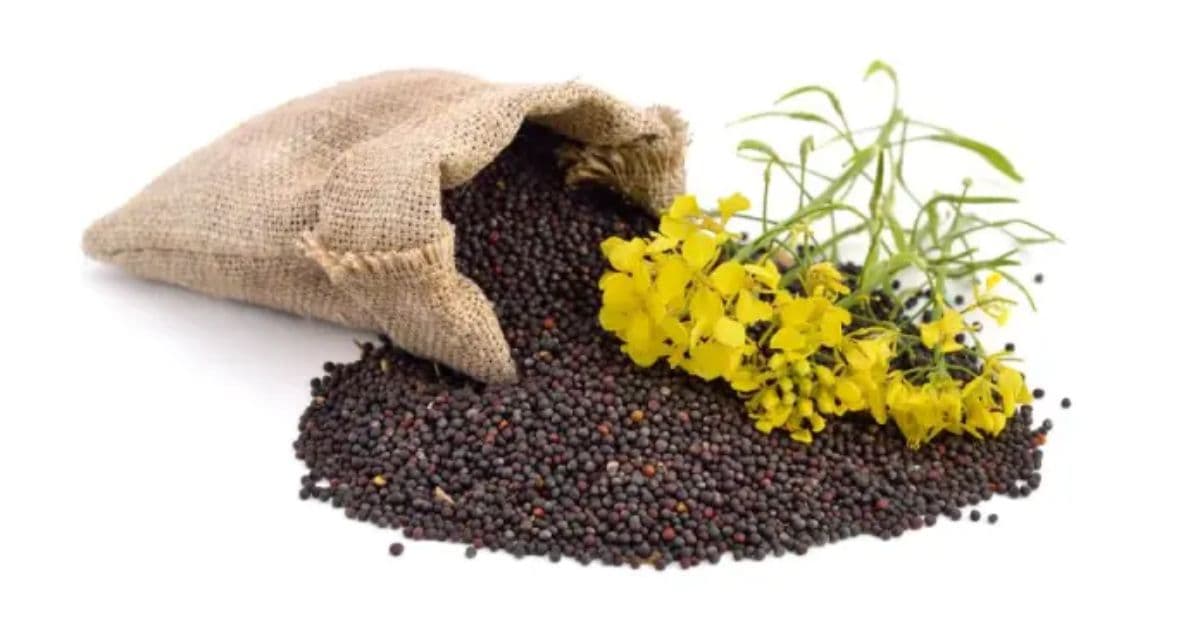
In this article, we explore how mustard has been used historically, how it affects the body, and how it can be safely incorporated into natural health practices. From digestive support to respiratory relief and muscle pain reduction, mustard remains one of the most versatile natural remedies available.
A Brief History of Mustard in Healing
Mustard seeds have been used medicinally for thousands of years across Europe, Asia, and the Middle East. Ancient healers applied mustard externally to relieve chest pain, muscle stiffness, and insect bites, while internally it was used to stimulate digestion and treat respiratory conditions. In folk medicine, mustard was even believed to counteract certain types of poisoning, including reactions caused by toxic mushrooms.
The healing reputation of mustard comes largely from its warming effect on the body. When applied externally or consumed in small amounts, mustard increases blood circulation, stimulates nerve endings, and promotes metabolic activity. These effects explain why mustard plasters and compresses were once a common household remedy.
Nutritional and Medicinal Properties of Mustard
Mustard seeds are rich in biologically active compounds that contribute to their therapeutic value. They contain essential oils, sulfur compounds, antioxidants, and minerals that work together to support overall health. One of mustard’s most notable characteristics is its ability to stimulate bodily functions without overwhelming the system when used correctly.
Mustard has expectorant, warming, analgesic, and mildly calming properties. This combination makes it particularly effective for conditions involving mucus buildup, muscle tension, digestive sluggishness, and joint discomfort. Additionally, mustard can help activate enzymes involved in digestion, making it useful for individuals suffering from bloating or slow digestion.
Digestive Support and Intestinal Health
One of the most well-known benefits of mustard is its positive effect on digestion. Mustard seeds stimulate gastric juices and bile production, helping the body break down food more efficiently. This can reduce feelings of heaviness after meals and support regular bowel movements.
In cases of constipation or poor digestion, finely ground mustard seeds combined with honey have been traditionally used to gently stimulate intestinal activity. Taken shortly before meals, this natural mixture helps prepare the digestive system for food intake and encourages smoother digestion without harsh laxative effects.
Respiratory Benefits and Mucus Removal
Mustard has long been associated with respiratory relief, particularly in conditions involving excess mucus in the lungs and bronchi. Its warming and expectorant properties help loosen mucus, making it easier for the body to expel it naturally. This makes mustard useful during colds, persistent coughs, and seasonal respiratory discomfort.
A traditional preparation involves mixing ground mustard seeds with honey and olive oil. When consumed with warm water or hot milk, this mixture helps soothe irritated airways while promoting the clearance of mucus. Many people report improved breathing and reduced coughing after consistent use.
Muscle and Joint Pain Relief
External use of mustard is especially effective for muscle and joint pain. Mustard compresses and plasters increase blood flow to the affected area, which helps reduce stiffness and alleviate pain. This warming action can be particularly beneficial for muscle strain, joint discomfort, and tension caused by cold weather.
To prepare a simple mustard compress, ground mustard seeds are mixed with warm water into a paste and applied to the painful area. The compress should remain in place for no longer than thirty minutes to avoid skin irritation. When used correctly, mustard compresses can provide fast and noticeable relief from acute pain.
Mustard for Coughs and Chest Discomfort
Chest discomfort associated with coughs or congestion is another area where mustard has been traditionally applied. Mustard plasters placed on the chest were once a common treatment for bronchial conditions. The heat generated by mustard helps relax chest muscles, improve circulation, and reduce discomfort caused by persistent coughing.
Although modern medicine has replaced many of these methods, some people still use mild mustard applications as a complementary therapy during respiratory illnesses.
Skin and External Applications
Mustard has also been used externally for skin-related issues, including minor ulcers, insect bites, and localized inflammation. Its antibacterial and stimulating properties can help improve circulation in affected areas and promote healing. However, mustard should always be used with caution on the skin, as prolonged exposure may cause irritation or burns.
Before applying mustard externally, it is recommended to test a small amount on the skin to ensure there is no adverse reaction.
Safety Considerations and Contraindications
Despite its many benefits, mustard is not suitable for everyone. Like all powerful natural remedies, it must be used responsibly. Mustard is not recommended for children under the age of twelve, as their skin and digestive systems are more sensitive. Individuals suffering from pulmonary tuberculosis, kidney inflammation, or severe gastrointestinal conditions should avoid mustard-based treatments.
Pregnant women are also advised to refrain from medicinal use of mustard, especially in concentrated forms. Excessive internal consumption or prolonged external application can lead to irritation, so moderation is essential.
Modern Perspective on an Ancient Remedy
In today’s world, mustard is often overlooked as merely a condiment, yet its medicinal potential remains significant. When used thoughtfully, mustard can support digestion, relieve respiratory discomfort, reduce muscle pain, and promote overall vitality. Its long history of use across cultures stands as a testament to its effectiveness.
While mustard should never replace professional medical treatment, it can serve as a valuable complementary remedy for mild conditions. As interest in natural and traditional medicine continues to grow, mustard is once again earning recognition as a simple yet powerful tool for supporting health.
Conclusion
Mustard is far more than a spicy addition to meals. It is a time-tested natural remedy with a wide range of healing applications. From aiding digestion and clearing respiratory passages to relieving muscle pain and stimulating circulation, mustard offers benefits that remain relevant even today. By respecting its strength and using it responsibly, mustard can become a valuable part of a natural wellness routine.
Vau.ge – Your Daily Guide for Practical Advice!
Vau.ge is a place where caring for your health, beauty, and daily routines becomes a natural, accessible, and enjoyable experience. Our main goal is to provide you with reliable information about natural remedies, homemade recipes, and practical tips that help you live a healthier life, look better, and simplify your everyday tasks without unnecessary expenses.
Our tips are easy to incorporate into your everyday life — whether it’s skincare, haircare, health-boosting remedies, or small tricks to save time. This knowledge will not only improve your own life but also allow you to share the experience with others, giving more people the chance to live a balanced life naturally and economically.
Please note: The articles on our website are for informational purposes only and do not replace professional medical advice. If you have serious health concerns, please consult a qualified specialist.