











The liver is one of the most extraordinary organs in the human body. It performs up to 500 vital functions and is responsible for countless biochemical processes that keep us alive. Because of its enormous workload and complexity, the famous German physiologist Carl Ludwig once called the liver “the great chemical laboratory of the body.”
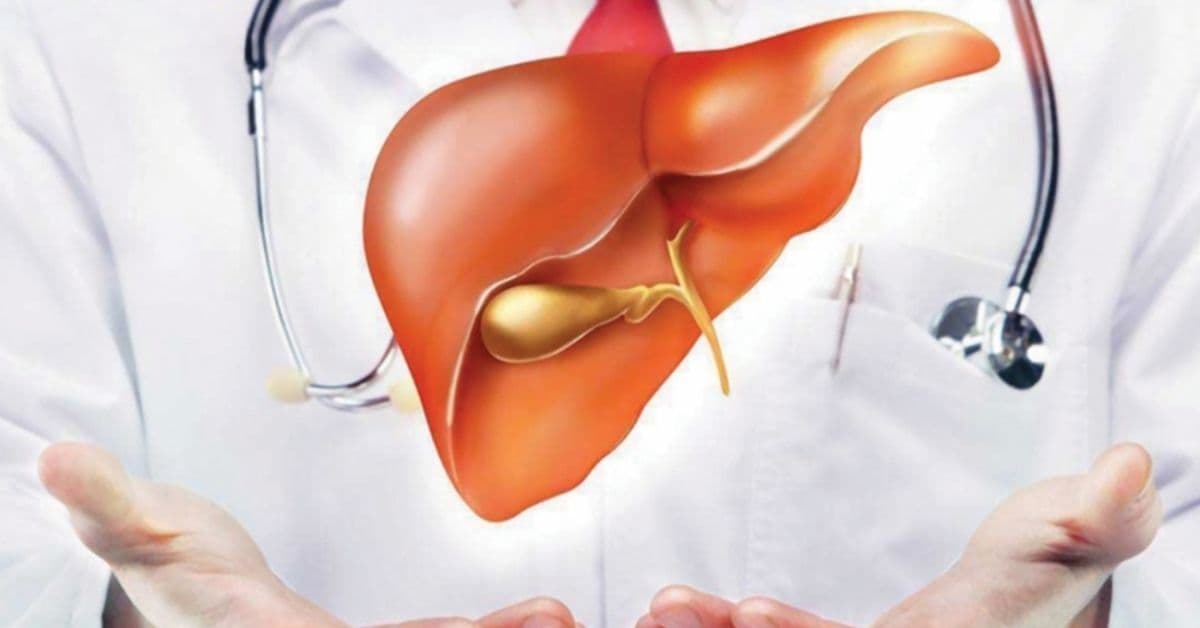
Despite its incredible resilience and ability to regenerate, the liver is not invincible. Modern lifestyles, poor dietary habits, alcohol consumption, environmental toxins, and chronic stress place an enormous burden on this hardworking organ. That is why caring for your liver before problems arise is essential for long-term health and vitality.
Why the Liver Is Essential for Survival
The liver plays a central role in maintaining balance within the body. It detoxifies the blood by breaking down harmful substances, filters toxins, stores essential vitamins and minerals, regulates energy production, and converts ammonia—a toxic byproduct of protein metabolism—into urea so it can be safely excreted through urine.
In addition to detoxification, the liver supports digestion by producing bile, which helps break down fats. It also regulates cholesterol levels, stabilizes blood sugar, supports immune function, and contributes to hormone balance. Without a properly functioning liver, virtually every system in the body begins to suffer.
Common Liver Diseases and Why Prevention Matters
Unfortunately, the liver is vulnerable to serious diseases such as hepatitis, fatty liver disease, and cirrhosis, which is one of the most dangerous and irreversible liver conditions. Cirrhosis occurs when healthy liver tissue is gradually replaced by scar tissue, reducing the liver’s ability to function.
While long-term alcohol abuse is the most common cause of cirrhosis, it is far from the only one. Poor nutrition, obesity, insulin resistance, viral infections, and prolonged use of certain medications can also damage liver cells over time. Once liver damage reaches an advanced stage, treatment options become limited, making prevention and early support absolutely crucial.
Supporting Liver Health with Natural Remedies
Maintaining liver health throughout life does not necessarily require extreme detox programs or expensive supplements. Many natural foods and household remedies have been shown to support liver function, reduce inflammation, and assist the body in eliminating toxins more efficiently.
Turmeric: A Powerful Ally for Liver Metabolism
Turmeric is widely regarded as one of the most powerful natural healing spices in the world. Its active compound, curcumin, has strong anti-inflammatory and antioxidant properties. Turmeric not only supports healthy digestion and blood sugar balance but also enhances liver metabolism and promotes bile production.
Incorporating turmeric into your daily routine can be simple. Adding it to scrambled eggs in the morning or mixing it into a warm glass of milk before bed can provide consistent support for liver function over time.
Garlic: Activating the Liver’s Detox Enzymes
Garlic is especially effective for liver cleansing because it contains sulfur-based compounds that activate liver enzymes responsible for flushing toxins out of the body. It is also rich in allicin and selenium, both of which protect liver cells from oxidative damage.
Using garlic regularly in cooking—whether in soups, vegetable dishes, meats, or sauces—can significantly enhance the liver’s natural detoxification capacity without requiring any special preparation.
Raw Vegetable Juices for Gentle Cleansing
Fresh vegetable juices allow nutrients to be absorbed more easily while giving the digestive system a break. Cabbage juice, when combined with milder vegetables such as carrots, cucumbers, or beets, is particularly effective for liver cleansing.
Cruciferous vegetables like white cabbage, cauliflower, and Brussels sprouts help neutralize excess stomach acid and balance the body’s pH levels. They are also rich in fiber, which assists in binding and removing toxins from the digestive tract before they can overload the liver.
Green Tea and Its Role in Fatty Liver Protection
Green tea is widely recognized for its antioxidant content, especially catechins, which have been shown to support liver health. Research suggests that green tea may help reduce fat accumulation in the liver, making it especially beneficial for individuals with fatty liver disease.
Drinking green tea daily can become a simple yet powerful habit that supports liver function while also improving overall metabolic health.
Avocado: Supporting Liver Regeneration
Avocado has attracted scientific interest for its potential role in liver regeneration. Researchers are currently studying avocado extracts for their ability to stimulate the repair of damaged liver tissue.
This nutrient-dense fruit is rich in healthy fats, antioxidants, and compounds that help the liver produce glutathione—one of the body’s most important detoxifying agents. Regular avocado consumption may help protect liver cells and enhance recovery from oxidative stress.
Potassium-Rich Foods for Liver Function
Potassium is essential for proper liver performance. Foods such as bananas, beans, sweet potatoes, and tomato-based sauces provide steady potassium intake, helping maintain electrolyte balance and supporting detox processes.
Bananas offer an additional benefit by assisting the body in eliminating heavy metals, while white beans are rich in fiber and plant-based protein, which helps stabilize blood sugar and reduce fat accumulation in the liver.
Grapefruit and Olive Oil: A Cautious Detox Method
A traditional cleansing method involves combining grapefruit juice and olive oil to stimulate bile flow and help flush the gallbladder. Grapefruit contains compounds believed to assist in breaking down cholesterol and gallstones, while olive oil supports bile secretion.
Although this method may be effective for some individuals, it is not suitable for everyone. Grapefruit can interfere with certain medications, including hormonal contraceptives and prescription drugs. Anyone considering this approach should consult a healthcare professional before attempting it.
Long-Term Liver Care: Small Changes, Big Impact
Taking care of your liver does not require drastic measures. Simply prioritizing liver-supportive foods, limiting alcohol intake, staying hydrated, and avoiding unnecessary medications can significantly reduce the risk of liver disease.
When done responsibly and under medical guidance, occasional gentle cleansing may help reduce toxin buildup and support optimal liver performance. Most importantly, listening to your body and seeking professional advice when needed ensures that your liver continues to serve you efficiently for decades to come.
Final Thoughts
The liver is a silent hero, working tirelessly every day to protect and nourish your body. By supporting it with mindful nutrition and natural remedies, you invest not only in liver health but in your overall well-being. Start caring for this remarkable organ today—because a healthy liver is the foundation of a healthy life.
Vau.ge – Your Daily Guide for Practical Advice!
Vau.ge is a place where caring for your health, beauty, and daily routines becomes a natural, accessible, and enjoyable experience. Our main goal is to provide you with reliable information about natural remedies, homemade recipes, and practical tips that help you live a healthier life, look better, and simplify your everyday tasks without unnecessary expenses.
Our tips are easy to incorporate into your everyday life — whether it’s skincare, haircare, health-boosting remedies, or small tricks to save time. This knowledge will not only improve your own life but also allow you to share the experience with others, giving more people the chance to live a balanced life naturally and economically.
Please note: The articles on our website are for informational purposes only and do not replace professional medical advice. If you have serious health concerns, please consult a qualified specialist.