







Varicose veins are more than just a cosmetic issue or an age-related inconvenience. They are one of the body’s early warning signals—an indication that blood circulation has weakened and that the venous system is under considerable strain. Ignoring these symptoms can lead to discomfort, complications, and chronic vascular problems. That is why consulting a doctor as soon as the first signs appear is essential: early diagnosis helps determine the underlying cause and prevents the condition from progressing.
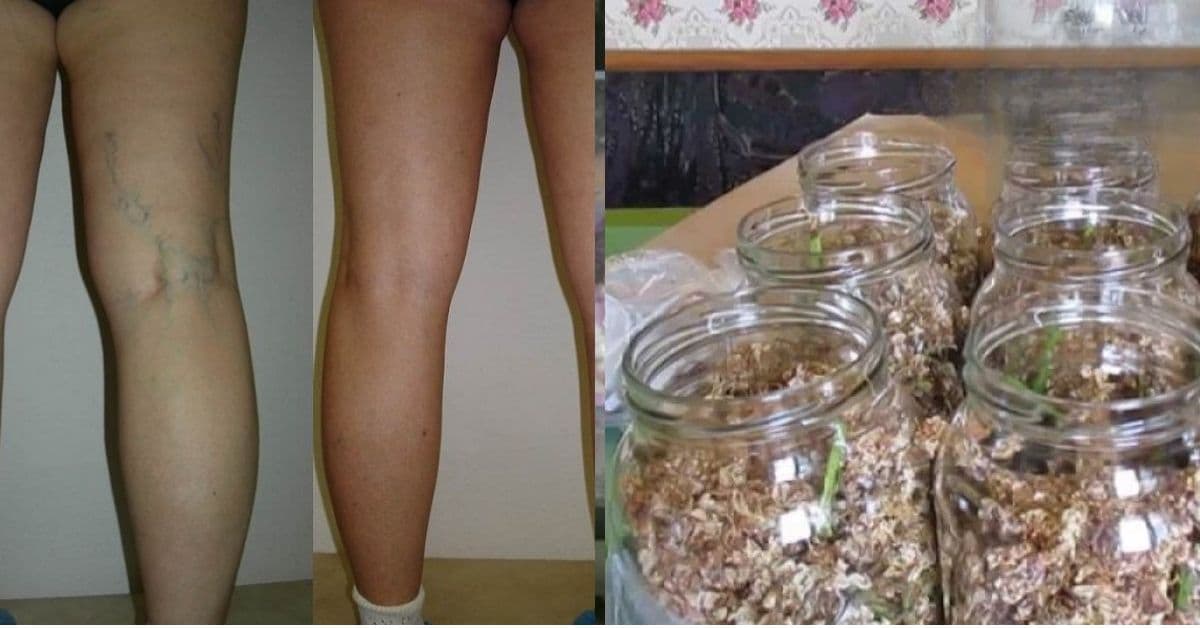
Alongside professional medical guidance, there are also supportive, at-home methods that can help alleviate symptoms and strengthen the veins. One of the most popular and time-tested remedies across traditional medicine is horse chestnut tincture. Although the remedy is widely available in pharmacies, preparing it at home is often considered more effective and trustworthy, as it uses fresh ingredients and contains no additional additives.
This article will guide you through the benefits, preparation, and proper use of horse chestnut tincture, and will also highlight important precautions you should know before trying it yourself.
Why Varicose Veins Should Not Be Ignored
Varicose veins develop when the vein walls lose their elasticity and the valves fail to function properly. As a result, blood begins to pool in the lower extremities, causing swelling, discomfort, heaviness, and visible enlargement of the veins. In many cases, people tolerate early symptoms, believing they will go away on their own. However, untreated varicose veins can lead to much more serious complications, such as inflammation, thrombosis, or chronic venous insufficiency.
Fortunately, early stages respond well to lifestyle adjustments, improved circulation, and supportive herbal therapies. Among these natural remedies, horse chestnut stands out as one of the most researched and effective plants for promoting venous health.
Horse Chestnut Tincture: A Traditional Remedy With Remarkable Effects
Horse chestnut is widely known in herbal medicine for its ability to tone blood vessels, reduce capillary permeability, and improve venous circulation. These properties are attributed to two biologically active compounds found in the plant: aescin (a saponin) and aesculin (a glycoside). Together, they strengthen capillaries, support healthy blood flow, and exhibit anti-inflammatory and anti-thrombotic effects.
Many pharmacy-grade venotonic products contain horse chestnut extract, but preparing a tincture at home ensures a pure and potent remedy. When used properly, the tincture can significantly reduce discomfort, swelling, and visible symptoms of varicose veins.
How to Prepare Horse Chestnut Tincture at Home
Making the tincture is simple, cost-effective, and requires only a few natural ingredients.
Ingredients
- 500 ml medical alcohol
- 20 g horse chestnut flowers
Preparation Method
- Place the horse chestnut flowers into a clean glass jar.
- Pour the alcohol over the flowers, ensuring they are fully submerged.
- Seal the jar tightly and store it in a dark place for 14 days.
- Shake the jar periodically to help the active components release into the alcohol.
- After two weeks, strain the tincture and transfer it into a clean bottle.
Once ready, the tincture can be used for external application or, in some cases, internal use—although this must be done cautiously and only if no contraindications exist.
How to Use the Tincture Properly
External Application
Gently massage the tincture into the affected area three times a day for at least two months. Regular application improves blood circulation, alleviates heaviness, and strengthens the veins over time.
Internal Use
Some traditional practices recommend taking the tincture orally:
- 10–20 drops mixed with water
- Twice a day (morning and evening)
- About 30 minutes before meals
The suggested duration for internal use is one month.
Important: Internal use should be approached with caution and avoided completely if you have health conditions listed under the contraindications below.
Important Contraindications You MUST Know
Although natural, horse chestnut tincture is not suitable for everyone. The remedy has several significant contraindications:
- People with gastritis, kidney disorders, or liver diseases should not take the tincture internally.
- It is not recommended for women with menstrual irregularities.
- It must be avoided during pregnancy and breastfeeding.
- Individuals with low blood clotting or those taking anticoagulants should consult a doctor beforehand.
If you have any chronic medical conditions, always seek professional advice before starting herbal treatments.
Pharmacological Properties of Horse Chestnut
The impressive effects of horse chestnut come from its potent blend of natural compounds:
Aesculin
- Strengthens fragile capillaries
- Enhances anti-thrombotic activity in theblood serum
- Stimulates the production of antithrombin, helping prevent clot formation
Aescin
- Tones venous walls
- Reduces swelling and inflammation
- Improves lymphatic and venous drainage
Together, these substances make horse chestnut one of the most effective plants for supporting vascular health.
Conditions Where Horse Chestnut Is Commonly Used
Herbalists and traditional healers frequently use horse chestnut extracts or tinctures in the following situations:
- Weakness of the vein walls
- Varicose veins
- Hemorrhoids
- Post-surgical thrombosis
- Venous inflammation
- Trophic or varicose ulcers
- Retinal venous thrombosis
- Sclerotic changes in the leg vessels
- Rheumatic joint inflammation
- Gallbladder issues
- Uterine bleeding (in specific supervised treatments)
These applications demonstrate the plant’s wide-ranging benefits for the circulatory system and inflammatory conditions.
Final Thoughts: A Natural Helper, Not a Substitute for Medical Care
Horse chestnut tincture is a powerful traditional remedy that supports vein health, reduces inflammation, and alleviates varicose vein symptoms. Its accessibility and effectiveness make it a popular choice for those seeking natural alternatives. However, while the tincture can significantly relieve discomfort, it should not replace professional medical care—especially if symptoms progress or complications arise.
Using the tincture regularly, maintaining a healthy lifestyle, avoiding excessive standing, and supporting circulation through moderate physical activity can help protect your veins and prevent further deterioration.
If used wisely and safely, horse chestnut can become a valuable ally in your journey toward healthier, stronger veins.
Vau.ge – Your Daily Guide for Practical Advice!
Vau.ge is a place where caring for your health, beauty, and daily routines becomes a natural, accessible, and enjoyable experience. Our main goal is to provide you with reliable information about natural remedies, homemade recipes, and practical tips that help you live a healthier life, look better, and simplify your everyday tasks without unnecessary expenses.
Our tips are easy to incorporate into your everyday life — whether it’s skincare, haircare, health-boosting remedies, or small tricks to save time. This knowledge will not only improve your own life but also allow you to share the experience with others, giving more people the chance to live a balanced life naturally and economically.
Please note: The articles on our website are for informational purposes only and do not replace professional medical advice. If you have serious health concerns, please consult a qualified specialist.