













Almost everyone has experienced respiratory problems at least once in their life. Conditions such as bronchitis, seasonal colds, flu, or other upper and lower respiratory infections are extremely common. In many cases, these illnesses begin with a dry, irritating cough. As the condition progresses, the dry cough often turns into a productive or “wet” cough, accompanied by the release of a thick substance known as mucus or phlegm.

Although coughing and mucus production can be uncomfortable and exhausting, they are actually part of the body’s natural defense system. When the respiratory tract is under attack, the body produces mucus to trap pathogens, toxins, and irritants. Coughing then helps expel these harmful substances from the lungs and airways. However, when mucus becomes too thick or excessive, it can linger in the lungs, making breathing difficult and prolonging recovery.
Why Mucus Builds Up in the Lungs
Mucus accumulation can occur for several reasons. The most common triggers include colds, viral respiratory infections, rhinitis, pharyngitis, tonsillitis, sinusitis, and various lung-related conditions. Environmental factors such as cold air, pollution, smoking, or dry indoor air can also contribute to thicker mucus and slower clearance from the respiratory tract.
In some people, especially those prone to asthma-like symptoms or chronic bronchial sensitivity, mucus may be produced more frequently or be harder to expel. When mucus remains trapped in the lungs or bronchi, it can worsen coughing, create a feeling of chest tightness, and interfere with normal breathing patterns.
Supporting the body’s ability to naturally loosen and remove mucus is an important step toward respiratory comfort and overall well-being.
Helping the Body Remove Mucus Naturally at Home
Many people prefer natural remedies to support respiratory health, especially during recovery from seasonal illnesses. Traditional herbal preparations have been used for generations to help soothe the airways, promote expectoration, and ease breathing.
One such time-tested remedy is a decoction made from pine buds. Pine buds have long been valued in folk medicine for their aromatic compounds and their supportive effects on the respiratory system. When prepared correctly, they may help loosen mucus, make coughing more productive, and provide a soothing sensation to irritated airways.
Pine Bud Decoction for Respiratory Support
We care about your health, which is why we are sharing a traditional recipe for a pine bud decoction that has been used to support lung and bronchial health. This preparation is especially appreciated during cold seasons, when respiratory infections are more common.
Ingredients Used in the Decoction
The recipe is simple and relies on natural components. It includes pine buds, water, and honey, which is added later for taste and additional soothing properties. The combination is gentle and suitable for both adults and children when used responsibly.
Preparation Method Explained Step by Step
To prepare the decoction, a water bath method is recommended. This gentle cooking process helps preserve the beneficial properties of the pine buds while slowly extracting their active compounds.
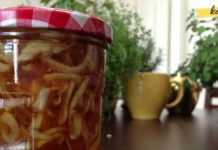
The pine buds are covered with water and heated over low heat for about one hour. After the initial cooking stage, the liquid is transferred into a glass jar, wrapped to retain heat, and allowed to continue simmering gently for another hour. This slow extraction results in a concentrated herbal liquid with a rich aroma.
Alternatively, pine buds can be steeped in a thermos with hot water and left to infuse for about one hour. This method is more convenient and still effective for daily use.
How and When to Use the Decoction
The decoction is typically consumed in small amounts several times a day. It is recommended to take approximately 50 grams three times daily, about half an hour before meals. Honey may be added according to taste, not only to improve flavor but also to enhance the soothing effect on the throat.
The usual course lasts for seven days. During this period, many people report easier coughing, reduced chest discomfort, and a general feeling of relief in the airways. Consistency is key, as natural remedies work gradually rather than instantly.
Pine Buds and Respiratory Wellness
Pine bud preparations have traditionally been considered a supportive measure for maintaining bronchial comfort. They are often mentioned in folk practices as part of preventive care for people who are prone to recurrent respiratory discomfort or seasonal breathing issues.
While this remedy does not replace medical treatment, it may serve as a complementary approach that supports the body’s natural processes. It is suitable for adults and, in diluted form and appropriate amounts, may also be used for children under supervision.
The Role of Honey in Respiratory Health
Honey deserves special attention due to its long history of use in traditional medicine. For centuries, it was primarily valued as a nutritious sweetener. However, once sugar became widely available and more affordable, honey began to be recognized more clearly for its healing properties rather than just its taste.
Honey contains natural compounds with anti-inflammatory, antifungal, and antibacterial characteristics. These properties help inhibit the growth of harmful microorganisms and support the body’s immune response. When used in warm herbal preparations, honey also helps coat the throat, reducing irritation and calming persistent coughing.
Historical Use of Honey in Healing Practices
During times of limited medical resources, honey was widely used as an external remedy for wounds, skin infections, and inflammatory conditions. It was applied to cuts, burns, and boils to support healing and prevent infection. This historical use highlights honey’s versatility and its ability to support the body both internally and externally.
In respiratory remedies, honey works synergistically with herbs such as pine buds by enhancing their soothing effect and making herbal preparations more pleasant to consume regularly.
Supporting Lung Health Holistically
Clearing mucus from the lungs is not only about one remedy. Adequate hydration, warm fluids, humidified air, and proper rest all play essential roles in respiratory recovery. Herbal decoctions and natural ingredients can support these efforts by making mucus easier to expel and by calming irritated airways.
Listening to your body and responding early to respiratory discomfort can help shorten recovery time and reduce complications. When symptoms persist or worsen, professional medical advice should always be sought.
Final Thoughts
Natural remedies such as pine bud decoctions and honey-based preparations have stood the test of time as gentle supporters of respiratory health. They may help the body clear excess mucus, ease coughing, and promote a feeling of lighter, more comfortable breathing.
By caring for your lungs and supporting your immune system, you invest in your overall health and vitality. Share this traditional recipe with friends and family, and remember that consistent, mindful care is one of the best ways to protect your respiratory well-being.
Vau.ge – Your Daily Guide for Practical Advice!
Vau.ge is a place where caring for your health, beauty, and daily routines becomes a natural, accessible, and enjoyable experience. Our main goal is to provide you with reliable information about natural remedies, homemade recipes, and practical tips that help you live a healthier life, look better, and simplify your everyday tasks without unnecessary expenses.
Our tips are easy to incorporate into your everyday life — whether it’s skincare, haircare, health-boosting remedies, or small tricks to save time. This knowledge will not only improve your own life but also allow you to share the experience with others, giving more people the chance to live a balanced life naturally and economically.
Please note: The articles on our website are for informational purposes only and do not replace professional medical advice. If you have serious health concerns, please consult a qualified specialist.