










For centuries, medicinal plants have played a vital role in maintaining human health. Long before the development of modern pharmaceuticals, people relied on nature to treat illness, strengthen the body, and restore balance. Among these time-tested remedies is calamus (commonly known as Acorus calamus), a plant whose effectiveness has been confirmed through traditional use across many cultures. Calamus root has been widely applied in folk medicine for respiratory conditions, digestive disorders, and various inflammatory problems, earning its reputation as a versatile and powerful natural remedy.
This article explores the medicinal properties of calamus root, its active components, and the traditional methods of preparation that have been used for generations to support overall health.
Botanical Overview and Active Components
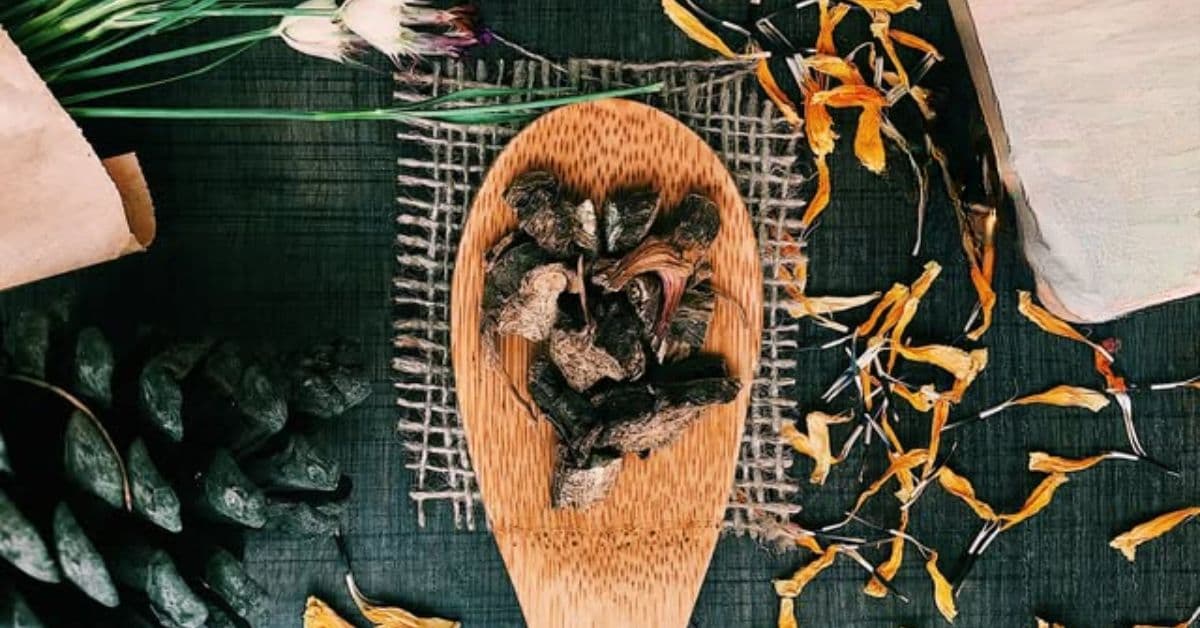
The healing properties of calamus are concentrated primarily in its root and rhizome. These underground parts of the plant contain a rich combination of biologically active substances that contribute to its therapeutic effects.
Calamus root contains up to 3% essential oil, which gives the plant its characteristic aromatic scent. In addition, it is remarkably rich in inulin, a reserve polysaccharide that can make up as much as 40% of the root’s composition. Inulin is known for its beneficial effects on digestion and metabolism. Alongside these components, calamus root also includes bitter compounds and natural sugars, which stimulate appetite and support digestive function.
Together, these substances help improve metabolic processes, support the respiratory system, and protect the body against inflammation and infection.
Benefits for the Respiratory System
One of the most well-known traditional uses of calamus root is in the treatment of respiratory illnesses. It has long been used as a natural remedy for whooping cough, bronchial catarrh, and persistent coughs. The essential oils and bitter substances found in the root help soothe irritated airways and reduce excessive mucus production.
By supporting the body’s natural defenses, calamus root helps calm coughing fits and makes breathing easier during respiratory infections. Traditional healers valued this plant especially during colder seasons, when coughs and bronchial conditions were more common.
Regular use of properly prepared calamus remedies was believed to prevent the onset of coughs and support faster recovery from respiratory ailments.
Support for Digestion and Metabolism
Beyond its effects on the lungs, calamus root is highly regarded for its ability to support digestive health. The bitter compounds in the root stimulate the production of digestive juices, which can help improve appetite and relieve sluggish digestion.
Calamus has traditionally been used to combat loss of appetite and intestinal blockage, conditions often associated with poor digestion and weak metabolism. By enhancing metabolic activity, the plant helps the body process nutrients more efficiently and maintain overall digestive balance.
In some traditions, calamus has also been recommended as a food supplement for individuals with diabetes, largely due to its inulin content, which does not raise blood sugar levels and may help support metabolic stability.
Use of Calamus as an Aromatic Plant
In addition to its medicinal applications, calamus has long been valued as an aromatic plant. Its distinctive fragrance has made it a popular ingredient in the production of alcoholic beverages and herbal liqueurs, where it is used to enhance flavor and aroma.
This dual use—as both a medicinal and aromatic plant—highlights the versatility of calamus and its integration into everyday life in traditional cultures.
Traditional Preparations of Calamus Root
Over time, various methods have been developed to harness the healing properties of calamus root. These preparations were designed for both internal and external use, depending on the condition being treated.
Calamus Root Decoction for Internal Use
A classic preparation involves making a decoction from dried, crushed calamus root. Traditionally, one tablespoon of the dried root is boiled in a cup of water for about 30 minutes. After straining, water is added to restore the original volume.
This decoction is typically taken one tablespoon three to four times daily before meals. It has been used to relieve coughs, improve digestion, and stimulate appetite.
Alcohol Tincture for Headache Relief
Calamus root has also been prepared as an alcohol-based tincture. This form is especially valued for its fast absorption and concentrated effect.
Traditionally, 20 drops of calamus tincture are taken up to three times a day, approximately 20 minutes before meals. Folk medicine recommends this preparation particularly for headaches, where it is believed to help relax tension and improve circulation.
Mouth Rinse for Gum Inflammation
Another traditional use of calamus root is as a mouth rinse for oral health. A decoction made from dried root and rhizome is used externally to soothe inflamed gums and oral tissues.
After boiling the plant material and straining the liquid, the decoction is allowed to cool slightly and then used to rinse the mouth several times a day. This practice has been passed down as a natural way to maintain gum health and reduce inflammation.
External Applications for Skin Conditions
Calamus root has also been widely used in external treatments, especially for skin-related problems.
Healing Ointment for Skin Irritations
A traditional calamus ointment is prepared by boiling dried roots and rhizomes in water, then grinding the softened plant material and mixing it with pork fat or butter until a thick ointment is formed.
This ointment has been applied externally to treat eczema, abscesses, itching, and other inflammatory skin conditions. Its soothing properties help calm irritation and support the skin’s natural healing process.
Compresses for Inflammatory Conditions
Calamus root infusions have also been used as medicinal compresses. After soaking crushed root in a small amount of water and allowing it to cool, the infusion is applied externally using cloth bandages.
In folk medicine, such compresses were traditionally used for conditions like erysipelas (commonly known as “red wind”), where inflammation and redness of the skin were present.
Washes for Parasitic and Ulcerative Skin Issues
Stronger decoctions made from larger quantities of calamus root have been used as external washes. These were traditionally applied in cases of scabies, ulcers, and other persistent skin problems.
The liquid was applied directly to the affected areas, helping cleanse the skin and reduce irritation.
A Plant with Enduring Value
The long-standing use of calamus root in traditional medicine speaks to its enduring value. Its wide range of applications—from respiratory and digestive support to skin care and oral health—demonstrates why it has remained an important medicinal plant for generations.
While modern medicine continues to evolve, many people still turn to traditional remedies like calamus root for gentle, natural support. When used responsibly and with proper knowledge, this plant remains a powerful example of how nature can contribute to human well-being.
Vau.ge – Your Daily Guide for Practical Advice!
Vau.ge is a place where caring for your health, beauty, and daily routines becomes a natural, accessible, and enjoyable experience. Our main goal is to provide you with reliable information about natural remedies, homemade recipes, and practical tips that help you live a healthier life, look better, and simplify your everyday tasks without unnecessary expenses.
Our tips are easy to incorporate into your everyday life — whether it’s skincare, haircare, health-boosting remedies, or small tricks to save time. This knowledge will not only improve your own life but also allow you to share the experience with others, giving more people the chance to live a balanced life naturally and economically.
Please note: The articles on our website are for informational purposes only and do not replace professional medical advice. If you have serious health concerns, please consult a qualified specialist.