












Earwax, medically known as cerumen, is one of the most misunderstood substances produced by the human body. Many people view it as something dirty or unnecessary, but in reality, earwax serves as a natural protective barrier. It helps trap dust, bacteria, and other particles, keeping the inner ear safe from potential harm. Interestingly, the human ear is designed to clean itself. Every time we chew, yawn, sneeze, or talk, small mechanical movements help guide old earwax outward where it dries and falls away on its own.
Despite this remarkable self-cleaning ability, certain circumstances can cause earwax to accumulate more quickly than it exits. When this happens, a wax plug—often called an earwax blockage—can form, leading to discomfort, decreased hearing, or a sense of fullness in the ear. Some people describe the sensation as if their ear suddenly “closed.” While earwax plugs are common and often harmless, they can be irritating and inconvenient. This is why many individuals look for safe ways to soften or loosen the buildup.
One of the most widely known household methods involves using a diluted hydrogen peroxide solution. Although this approach is often mentioned as a home remedy, it must be used carefully, and ideally, a person should seek professional medical advice before attempting any self-treatment. With that said, understanding how the process works can be helpful in recognizing when professional assistance may be needed and when mild softening methods might be appropriate.
Understanding Earwax Buildup
Earwax becomes problematic only when it accumulates faster than the ear can expel it naturally. Several factors may contribute to this:
- Some people naturally produce thicker or stickier earwax.
- Narrow ear canals make it harder for wax to move outward.
- Excessive use of earphones, hearing aids, or earplugs can trap wax inside.
- Using cotton swabs pushes wax deeper rather than removing it.
When a blockage forms, symptoms may appear suddenly or gradually. People may notice muffled hearing, itching, slight discomfort, or a ringing sensation. In many cases, the ear attempts to compensate, causing even more wax to compact.
Once a blockage forms, the goal is not to remove all earwax completely—since it is beneficial—but rather to soften the excess so the ear can resume its natural cleaning process.
Hydrogen Peroxide as a Wax-Softening Method
Hydrogen peroxide has long been used for various household and personal-care purposes. In mild dilutions, it can help soften earwax by creating a bubbling reaction. This reaction occurs as the peroxide breaks down into water and oxygen, and the fizzing sensation many people feel is simply the solution interacting with organic material in the ear canal.
However, it is essential to emphasize that hydrogen peroxide should be used with caution, and only in diluted form. People with ear infections, ear pain, a history of eardrum perforation, or chronic ear conditions should avoid home remedies altogether and seek medical care.
With those important disclaimers in mind, here is an explanation of the method commonly described for softening earwax using a diluted solution.
A Gentle Method Many People Use at Home
Home use of hydrogen peroxide is often described in simple steps. It’s important to remember that this explanation is for informational purposes only and should not replace medical guidance.
Step 1: Preparing the Diluted Solution
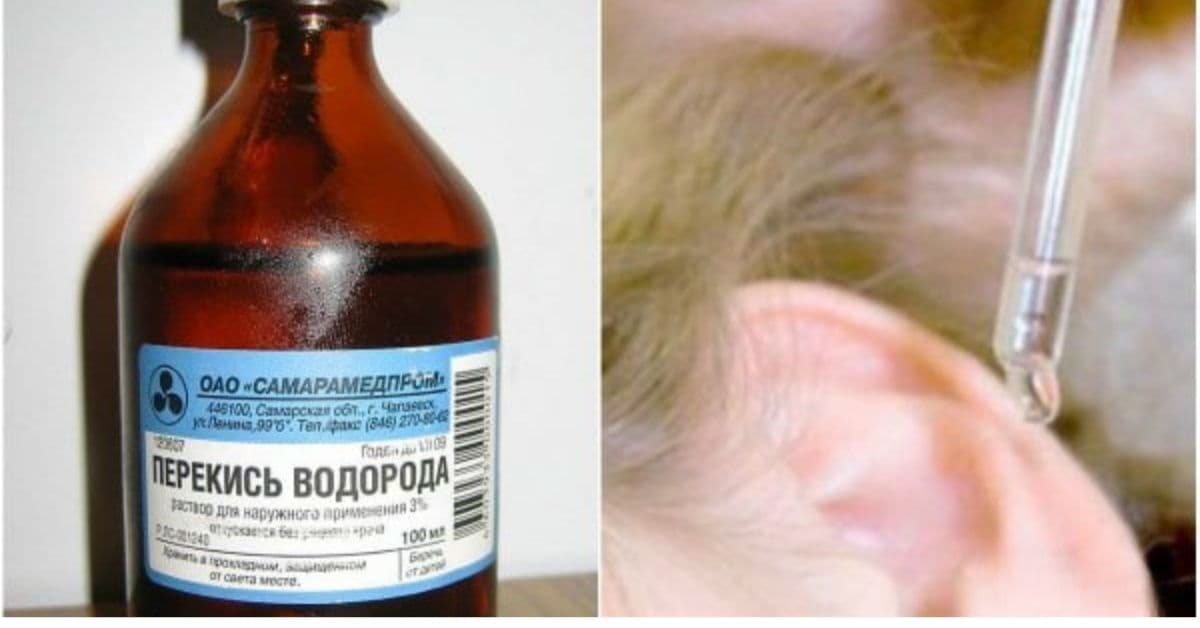
People typically use a 3% hydrogen peroxide solution, which is the mildest and most commonly sold version. It is usually mixed with an equal amount of distilled water, creating a half-strength mixture. This dilution helps reduce irritation while still promoting the bubbling effect that softens wax.
Step 2: Applying Just a Few Drops
Using a dropper or pipette, a small amount of the diluted solution is gently placed into the ear. Most descriptions mention just a couple of drops—often two or three—as this is enough to create the desired softening effect without flooding the ear canal.
Step 3: Allowing the Solution to Work
To ensure the liquid reaches the impacted area, the head is usually tilted so the treated ear faces upward. Remaining still for several minutes allows the solution to settle. The light crackling or fizzing sensation that follows is typically a sign that the peroxide is interacting with the wax.
Step 4: Letting the Liquid Drain Out
After several minutes, the head is tilted in the opposite direction to allow excess liquid to flow out naturally. The outer ear is gently dried using a soft tissue or towel—never with a cotton swab or anything inserted into the canal.
Step 5: Repeating on the Other Side
If the second ear feels blocked, the same process may be repeated. Some people notice improvement immediately, while others find that the wax loosens gradually over a day or two.
In many cases, if softening the wax does not help after a few attempts, medical professionals recommend consulting an ear specialist. Repeated use of peroxide—especially for more than a few days—is generally discouraged.
Why This Simple Method Is So Popular
The reason this approach is widely discussed is because diluted hydrogen peroxide can make hardened earwax easier for the body to expel on its own. When the wax becomes softer, the ear’s natural mechanisms—jaw movement, gravity, and skin migration—can resume their functions.
Many people appreciate that the method is inexpensive, accessible, and relatively gentle when used correctly. However, the popularity of a remedy does not mean it is suitable for everyone.
Important Safety Considerations
Even though this method is commonly described, it is crucial to keep a few important points in mind:
- It should never be used in children without professional guidance.
- It should never be applied if there is ear pain, discharge, or suspicion of an eardrum perforation.
- People with chronic ear conditions or ear tubes should avoid home treatment.
- Hydrogen peroxide can cause temporary irritation or dryness in some individuals.
If a person feels dizziness, sharp pain, or worsening symptoms, the process should be stopped immediately and medical help sought.
When to Seek Professional Assistance
Although mild wax buildup can sometimes be managed at home, there are times when only a healthcare provider can safely resolve the issue. Professionals use safe tools and techniques such as irrigation, suction, or specialized instruments—methods that are far less risky than inserting objects into the ear at home.
You should seek medical attention if you experience:
- Persistent hearing loss
- Severe pain
- Fluid drainage
- Recurrent blockages
- A sensation of pressure or ringing that doesn’t improve
It is always safer to ask a specialist than to experiment with aggressive home methods.
Conclusion: A Small Amount Can Make a Difference, but Use With Care
Using a diluted hydrogen peroxide solution is a commonly discussed approach for loosening hardened earwax. Just a few drops may help soften the blockage and allow the ear to resume its natural cleaning process. However, while the method is popular, it should be used responsibly and with awareness of its limitations.
The ears are delicate organs, and even simple remedies require thoughtful care. Understanding how earwax works—and why blockages form—can help you make safer decisions and know when home strategies may be helpful or when medical expertise is the wiser choice.
Vau.ge – Your Daily Guide for Practical Advice!
Vau.ge is a place where caring for your health, beauty, and daily routines becomes a natural, accessible, and enjoyable experience. Our main goal is to provide you with reliable information about natural remedies, homemade recipes, and practical tips that help you live a healthier life, look better, and simplify your everyday tasks without unnecessary expenses.
Our tips are easy to incorporate into your everyday life — whether it’s skincare, haircare, health-boosting remedies, or small tricks to save time. This knowledge will not only improve your own life but also allow you to share the experience with others, giving more people the chance to live a balanced life naturally and economically.
Please note: The articles on our website are for informational purposes only and do not replace professional medical advice. If you have serious health concerns, please consult a qualified specialist.