















For years, countless people have believed that brown rice is the superior, healthier choice, while white rice has carried an unfair reputation — especially when it comes to blood sugar and diet culture. But what if much of what we assume about rice is incomplete, exaggerated, or simply misunderstood?
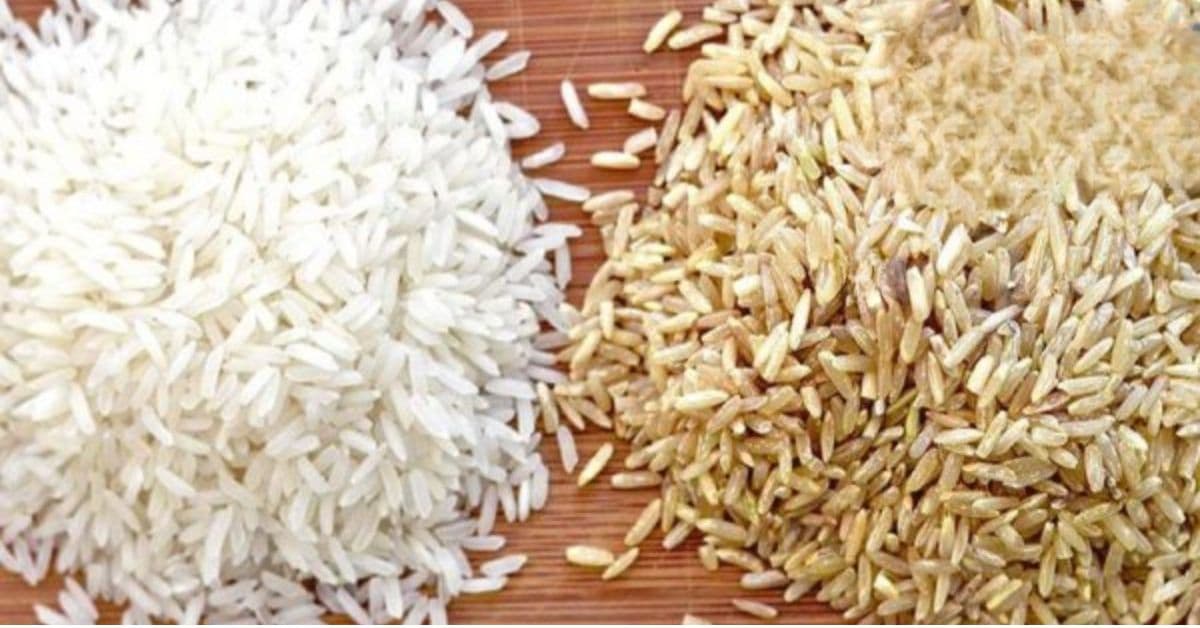
Although brown rice has long been promoted as the “natural,” “whole,” or “clean” option, new research and a deeper look into its composition tell a more nuanced story. Today, we break down the myths, the science, and the nutritional truths so you can finally choose your rice with confidence.
The Confusion Around Rice Choices
Rice is one of the most widely consumed foods on the planet, yet it’s also one of the most misunderstood. People often assume that brown rice must be healthier because it is unrefined — still wrapped in its bran and germ layer — while white rice is seen as overly processed and lacking nutrition. Others believe that eating unrefined grains may contain compounds that can actually interfere with digestion and nutrient absorption.
Both beliefs contain a sliver of truth, but neither tells the whole story.
What Scientists Actually Found
A series of studies shed new light on the metabolic differences between brown and white rice. In one experiment involving 14 participants, volunteers consumed 11 different varieties of rice over several months — including both white and brown basmati.
After each meal, researchers measured the participants’ blood glucose levels.
The findings were surprising for many:
- Brown basmati rice showed a medium glycemic index.
- White rice (including white basmati) showed a low glycemic index.
This counters the popular belief that white rice spikes blood sugar dramatically while brown rice keeps it stable. While the glycemic index may vary slightly by rice variety, white rice in this study proved gentler on blood sugar than many expected.
The Hidden Downsides of Brown Rice
Another major discovery involved phytic acid, a compound found in high amounts in brown rice. While often praised as an antioxidant, phytic acid also has an important drawback: it inhibits certain digestive enzymes and reduces the absorption of minerals like iron, zinc, and calcium.
In the study, brown basmati contained significantly more phytic acid than white basmati.
White rice, by contrast, contained only minimal amounts.
This means that although brown rice may appear nutrient-rich because it contains the bran layer, those extra nutrients may not be as available to the body as people believe. In fact, some may pass through the digestive system unused.
When considering digestibility, tolerance, and mineral absorption, white rice surprisingly performs better.
Is White Rice Actually More Nutritious?
Here is where most people are shocked: white rice can, in many cases, be more nutritious and more beneficial for the body than brown rice — especially when we consider digestibility and bioavailability rather than just chemical composition.
White rice naturally contains:
- high-quality proteins
- essential amino acids
- potassium, crucial for heart and cardiovascular health
- phosphorus, zinc, iron, calcium, and iodine
- a generous amount of B vitamins, especially if enriched
It is also one of the best tolerated foods for people with digestive issues, weakened immune systems, or inflammatory conditions.
A Powerful Cleanser for the Body
White rice is more than just an energy source. It is also known for its gentle cleansing effects. In many cultures, rice is used to soothe the digestive system, support detoxification, and stabilize the gut.
Because it digests easily and doesn’t irritate the stomach, it gives the digestive tract a much-needed break — allowing the body to reset.
Brown rice, with its rougher outer layer, can be more taxing on the intestines and sometimes causes bloating or discomfort for sensitive individuals.
A One-Day Rice Cleanse for Better Digestion and Energy
For those wanting to gently cleanse their intestines and blood, a simple rice-based detox day can be surprisingly effective. This method has been used for generations and works precisely because of rice’s soothing, non-irritating qualities.
Here’s how it’s traditionally done:
Take one cup of well-rinsed rice and add three cups of water.
Simmer on low heat for about twenty minutes.
Do not rinse the rice afterward, and do not add salt.
During your cleanse day, consume only this rice and water — nothing else.
You may eat as much of the rice as you want, without restrictions.
People who follow this method often notice:
- reduced bloating
- improved bowel movement
- clearer skin
- increased energy
- a feeling of lightness
The simplicity of the meal allows the digestive system to rest and focus on eliminating toxins.
The Final Verdict: Which Rice Should You Choose?
Both types of rice have their benefits, and the “healthy choice” depends on your body’s needs. However, when we compare the two through modern research and traditional experience, the conclusion is clear:
- White rice is easier to digest,
- gentler on blood sugar,
- contains less phytic acid,
- and provides nutrients your body can actually absorb.
Brown rice may still work well for some, especially those who tolerate fiber excellently and prefer its taste. But the assumption that brown rice is always healthier simply isn’t accurate.
Choosing white rice is not only acceptable — it may be the more nourishing option for many people.
Vau.ge – Your Daily Guide for Practical Advice!
Vau.ge is a place where caring for your health, beauty, and daily routines becomes a natural, accessible, and enjoyable experience. Our main goal is to provide you with reliable information about natural remedies, homemade recipes, and practical tips that help you live a healthier life, look better, and simplify your everyday tasks without unnecessary expenses.
Our tips are easy to incorporate into your everyday life — whether it’s skincare, haircare, health-boosting remedies, or small tricks to save time. This knowledge will not only improve your own life but also allow you to share the experience with others, giving more people the chance to live a balanced life naturally and economically.
Please note: The articles on our website are for informational purposes only and do not replace professional medical advice. If you have serious health concerns, please consult a qualified specialist.