













Ingrown toenails are a common condition that occurs when the edge of a toenail grows into the surrounding skin. While some people may think this is a minor issue or even a normal occurrence, ignoring it can lead to serious complications. Understanding the risks, symptoms, and preventive measures is essential to maintain healthy feet and avoid painful outcomes.
What Is an Ingrown Toenail?
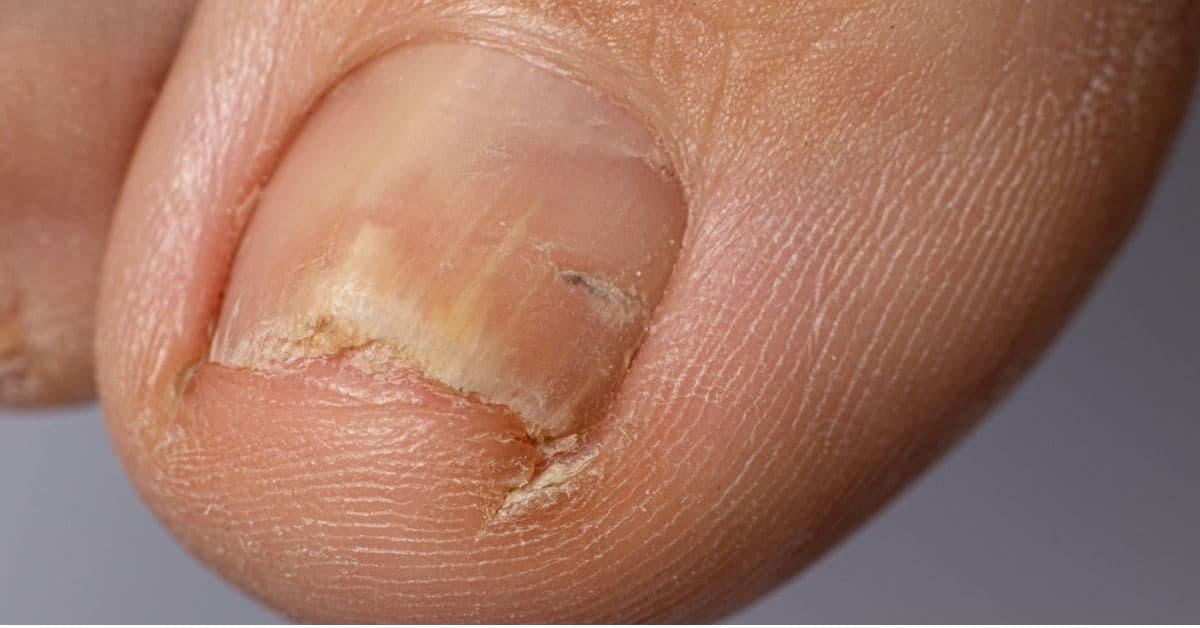
An ingrown toenail develops when the side of the nail plate grows into the skin underneath. This can happen gradually or suddenly, often causing discomfort, redness, swelling, and sometimes infection. The big toe is most commonly affected, though ingrown nails can appear on any toe. While minor cases may cause only mild irritation, more severe instances can lead to infections, ulcers, and even tissue necrosis if left untreated.
Why Ingrown Toenails Are a Serious Concern
Although an ingrown toenail might seem like a simple foot problem, it can lead to several serious health issues:
- Infections – Ingrown toenails can allow bacteria to enter the skin, potentially causing infections such as cellulitis. In rare and extreme cases, the infection can enter the bloodstream, leading to systemic conditions like sepsis. Globally, hundreds of thousands of people are affected by severe toenail infections each year, highlighting the importance of early care.
- Foot Ulcers – If left untreated, an ingrown toenail can develop into a foot ulcer. These open sores are difficult to heal and can become a recurring problem. Foot ulcers are particularly concerning for individuals with underlying conditions such as diabetes, where circulation and healing are already compromised.
- Tissue Necrosis – In the most severe cases, untreated infections or prolonged pressure from an ingrown nail can lead to tissue death. Necrosis occurs when living tissue is destroyed due to infection, trauma, or impaired blood flow, and it can require surgical intervention if it progresses.
In addition to these medical risks, ingrown toenails are visually unappealing and can limit mobility, interfere with daily activities, and reduce quality of life.
Common Causes of Ingrown Toenails
Several factors can contribute to the development of ingrown toenails:
- Improper nail trimming – Cutting toenails too short or rounding the edges can encourage the nail to grow into the surrounding skin.
- Tight or ill-fitting footwear – Shoes that press against the toes, particularly high heels or narrow shoes, can force nails into the skin.
- Injury or trauma – Dropping something on the toe or repeated pressure during sports can alter nail growth.
- Genetics – Some people have naturally curved toenails that are more prone to ingrowth.
Understanding these causes helps in adopting preventive measures that can greatly reduce the risk of painful complications.
Prevention: How to Keep Your Toenails Healthy
Fortunately, ingrown toenails are largely preventable with proper care and attention. Maintaining foot hygiene and practicing safe nail care are key strategies.
- Proper Nail Trimming – Always cut toenails straight across rather than rounding the edges. Avoid cutting nails too short, and do not dig into the corners. This simple habit can significantly reduce the risk of nail edges growing into the skin.
- Daily Foot Hygiene – Wash your feet daily with mild soap and water, then dry them thoroughly, especially between the toes. Keeping feet clean prevents bacterial growth and reduces the likelihood of infection.
- Moisturize Regularly – Applying a gentle moisturizer to the feet can help maintain healthy skin and prevent cracks or dry areas that may exacerbate nail problems.
- Remove Dead Skin Carefully – Gently remove hardened skin or calluses using a foot file or pumice stone. Avoid aggressive scraping, which can damage the skin and create entry points for infection.
- Wear Proper Footwear – Choose shoes that fit comfortably and provide adequate room for the toes. Avoid tight or high-heeled shoes that compress the toes and increase the risk of nail ingrowth.
- Change Socks Daily – Fresh, clean socks reduce moisture and friction, minimizing the conditions that contribute to ingrown nails.
By consistently following these preventive measures, you can maintain healthy nails and prevent painful complications.
When to Seek Medical Attention
Even with careful care, ingrown toenails can sometimes become severe or infected. It is important to consult a healthcare professional if you notice:
- Persistent pain, swelling, or redness around the nail
- Pus or fluid draining from the area
- Signs of infection spreading beyond the toe
- Recurring ingrown nails despite proper care
A doctor or podiatrist may recommend professional treatment, which can include minor surgical procedures to remove part of the nail or medications to treat infection. Early intervention can prevent more serious complications and ensure proper healing.
Lifestyle Tips for Long-Term Nail Health
Maintaining healthy toenails requires ongoing attention, not just occasional care. Here are some additional tips:
- Avoid prolonged exposure to damp environments, which can weaken nails.
- Keep toenails at a moderate length that allows natural growth without crowding.
- Monitor feet regularly for signs of pressure, discoloration, or irritation.
- Use foot-friendly footwear for activities such as running or hiking to reduce trauma to the toes.
By incorporating these habits into daily routines, you can reduce the risk of ingrown toenails and enjoy stronger, healthier feet.
Conclusion
Ingrown toenails may seem minor at first, but they can lead to serious complications if neglected. From infections and ulcers to tissue necrosis, the risks are real and should not be underestimated. Fortunately, prevention is straightforward with proper nail trimming, foot hygiene, suitable footwear, and regular monitoring. For those experiencing persistent or severe symptoms, seeking medical attention promptly ensures timely care and prevents further problems. By taking proactive steps, anyone can maintain healthy, pain-free feet and avoid the discomfort and risks associated with ingrown toenails.
Vau.ge – Your Daily Guide for Practical Advice!
Vau.ge is a place where caring for your health, beauty, and daily routines becomes a natural, accessible, and enjoyable experience. Our main goal is to provide you with reliable information about natural remedies, homemade recipes, and practical tips that help you live a healthier life, look better, and simplify your everyday tasks without unnecessary expenses.
Our tips are easy to incorporate into your everyday life — whether it’s skincare, haircare, health-boosting remedies, or small tricks to save time. This knowledge will not only improve your own life but also allow you to share the experience with others, giving more people the chance to live a balanced life naturally and economically.
Please note: The articles on our website are for informational purposes only and do not replace professional medical advice. If you have serious health concerns, please consult a qualified specialist.