













Breathing is one of the most fundamental physiological processes of the human body. Through breathing, the body absorbs oxygen from the air and releases carbon dioxide as a waste product. Oxygen is not merely important—it is essential for survival. Every cell in the body depends on oxygen to produce energy, maintain normal function, and sustain life. When oxygen delivery is compromised, even slightly, the effects can be felt throughout the entire body.
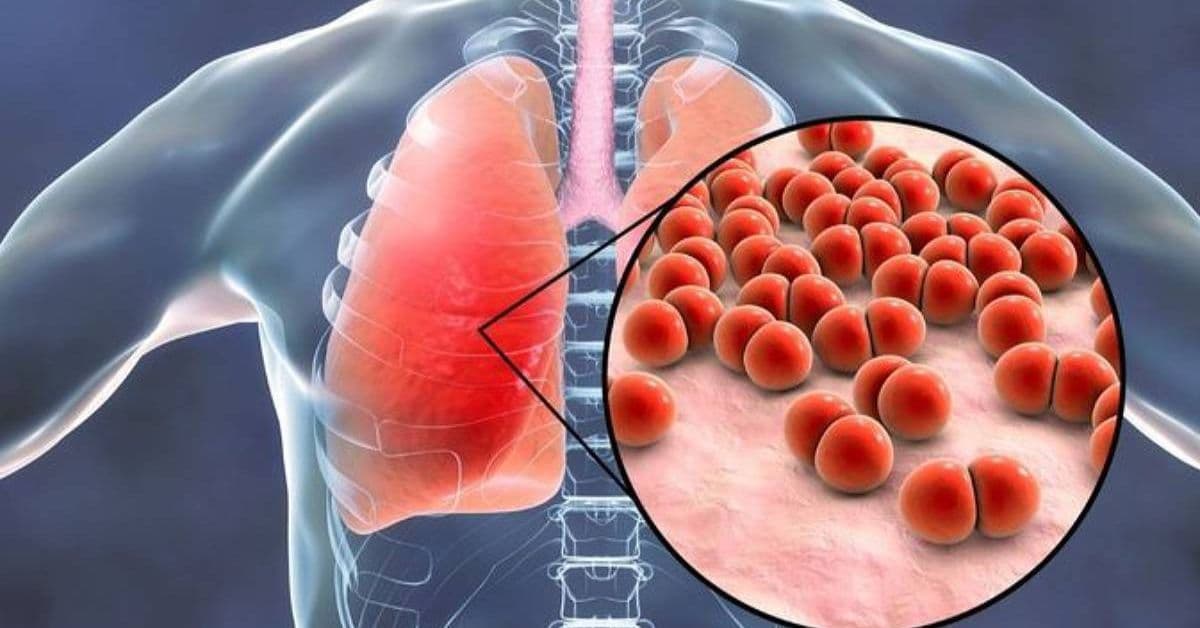
For oxygen to benefit the body, it must not only be inhaled into the lungs but also effectively transported through the bloodstream to all organs and tissues. When this process is disrupted and the blood does not carry enough oxygen, a condition known as hypoxemia can develop. Hypoxemia may occur suddenly or develop gradually over time, depending on its cause. In either case, recognizing the early signs is crucial for protecting long-term health.
Understanding Hypoxemia and Oxygen Deficiency
Hypoxemia refers specifically to low oxygen levels in the blood. It differs from hypoxia, which describes low oxygen levels in body tissues more broadly. However, hypoxemia often leads to hypoxia if left untreated. This condition may be acute, appearing suddenly due to an illness or environmental factor, or chronic, developing slowly as a result of underlying medical conditions such as lung or heart disease.
Common causes include respiratory infections, asthma, chronic obstructive pulmonary disease (COPD), anemia, sleep apnea, cardiovascular disorders, and even prolonged exposure to high altitudes. Regardless of the cause, insufficient oxygen in the blood forces the body to compensate, often resulting in noticeable physical symptoms.
Below are five common signs that may indicate your blood oxygen levels are lower than they should be.
Persistent Weakness and Dizziness
One of the earliest and most common signs of low blood oxygen is a general feeling of weakness or frequent dizziness. Many people describe this sensation as lightheadedness or a feeling that they might faint, especially when standing up quickly. This happens because the brain is extremely sensitive to oxygen levels. Even a small reduction in oxygen supply can impair its normal function.
Since blood is responsible for delivering oxygen throughout the body, dizziness and weakness often signal that the bloodstream is not carrying enough oxygen to meet the brain’s demands. While occasional dizziness can have many harmless explanations, recurring or unexplained episodes should not be ignored, particularly when accompanied by other symptoms.
Chronic Fatigue That Does Not Improve With Rest
Fatigue is a common complaint in modern life, but not all fatigue is the same. When oxygen levels in the blood are consistently low, the body’s cells are unable to produce energy efficiently. This results in a deep, persistent exhaustion that does not improve with sleep or rest.
Unlike ordinary tiredness after a long day, hypoxemia-related fatigue tends to be chronic. People may feel drained throughout the day, struggle to concentrate, and find it difficult to complete even simple tasks. Over time, this ongoing lack of energy can significantly reduce quality of life and may be mistakenly attributed to stress or aging if the underlying cause is not investigated.
Rapid or Irregular Heartbeat
When blood oxygen levels drop, the heart attempts to compensate by pumping faster and harder to deliver more oxygen to the tissues. This often manifests as a rapid or irregular heartbeat, even during periods of rest. Some individuals may also notice palpitations or a sensation that the heart is “racing” or pounding.
Although anxiety can also cause an increased heart rate, persistent or unexplained changes in heart rhythm should be taken seriously. If you have not experienced such symptoms before and suddenly notice frequent episodes of rapid heartbeat, it may be a sign that your cardiovascular system is struggling to compensate for insufficient oxygen in the blood.
Shortness of Breath and Difficulty Breathing
Shortness of breath, medically known as dyspnea, is one of the clearest indicators of low blood oxygen levels. This symptom may occur during physical activity or even while resting. Individuals often describe it as a feeling of not being able to get enough air, tightness in the chest, or an increased effort required to breathe normally.
Dyspnea occurs because the body is signaling that it needs more oxygen. In response, breathing becomes faster and more shallow. If left untreated, this can create a cycle in which breathing becomes increasingly inefficient, further reducing oxygen delivery. Persistent shortness of breath should always be evaluated by a healthcare professional.
Frequent Headaches
Headaches are another common but often overlooked sign of low oxygen levels in the blood. Have you ever noticed how holding your breath for even a short time can cause pressure or pain in your head? This reaction highlights how sensitive the brain is to oxygen deprivation.
While headaches alone are not usually a cause for panic, recurring headaches—especially when combined with fatigue, dizziness, or shortness of breath—may indicate hypoxemia. These headaches can range from mild pressure to more intense pain and may worsen during physical exertion or at night.
Why Early Detection Is Important
Untreated hypoxemia can place significant strain on the heart, brain, and other vital organs. Over time, chronic oxygen deficiency may contribute to serious complications, including heart failure, cognitive impairment, and reduced immune function. Early detection allows for timely intervention, which can prevent long-term damage and improve overall health outcomes.
Because symptoms can be subtle or mistaken for other conditions, many people live with low oxygen levels without realizing it. Paying attention to how your body feels and seeking medical advice when symptoms persist is an important step toward prevention.
Diagnosis and Treatment Options
The first step in addressing hypoxemia is proper diagnosis. Blood oxygen levels are typically measured using pulse oximetry or arterial blood gas analysis. These tests provide valuable information about how efficiently oxygen is being delivered throughout the body.
Treatment depends on the underlying cause but often includes improving oxygen intake and circulation. One common and effective option is oxygen therapy. A portable oxygen mask or nasal cannula delivers supplemental oxygen directly into the airways, increasing the amount available to the bloodstream. These devices consist of thin tubing with small prongs placed in the nostrils, allowing oxygen to flow comfortably and continuously.
In addition to oxygen therapy, managing the root cause—whether it is a lung condition, heart problem, or another medical issue—is essential for long-term recovery.
Final Thoughts
Oxygen is life-sustaining, and even minor deficiencies can have a significant impact on physical and mental well-being. Recognizing the warning signs of low blood oxygen levels allows for early intervention and better health outcomes. If you experience persistent fatigue, dizziness, shortness of breath, rapid heartbeat, or frequent headaches, it may be time to check your oxygen levels.
Listening to your body and taking action early can make a critical difference. Proper diagnosis, treatment, and lifestyle adjustments can help restore balance, protect vital organs, and improve your overall quality of life.
Vau.ge – Your Daily Guide for Practical Advice!
Vau.ge is a place where caring for your health, beauty, and daily routines becomes a natural, accessible, and enjoyable experience. Our main goal is to provide you with reliable information about natural remedies, homemade recipes, and practical tips that help you live a healthier life, look better, and simplify your everyday tasks without unnecessary expenses.
Our tips are easy to incorporate into your everyday life — whether it’s skincare, haircare, health-boosting remedies, or small tricks to save time. This knowledge will not only improve your own life but also allow you to share the experience with others, giving more people the chance to live a balanced life naturally and economically.
Please note: The articles on our website are for informational purposes only and do not replace professional medical advice. If you have serious health concerns, please consult a qualified specialist.