













Age-related macular degeneration (AMD) is a common eye disease that primarily affects individuals over the age of 50. While it is rare among younger people, its impact on central vision makes it one of the most significant age-related visual impairments. The exact causes of AMD are still being studied, but various risk factors play a critical role in its development.
Macular degeneration is characterized by a progressive decline in central vision and visual acuity. As the disease advances, it becomes increasingly difficult to perceive small details, read text, or perform tasks that require sharp vision. Peripheral vision is generally preserved, which means individuals may still be able to see objects around them, but fine detail in the center of the visual field deteriorates.
What Is Age-Related Macular Degeneration?
The macula is a small, light-sensitive area of the retina located in the center of the eye. It is responsible for converting light and images into electrical signals that the brain interprets. This central portion of the retina, often referred to as the “yellow spot,” allows us to perceive minute details, recognize faces, and read text clearly.
When macular degeneration occurs, the central part of the retina becomes damaged, leading to blurry or distorted vision. Although the periphery of the visual field remains intact, tasks that require precise vision can become challenging, significantly affecting the quality of life.
The condition often develops gradually and may remain unnoticed in the early stages. However, in some cases, AMD progresses more rapidly, and the deterioration of vision can be swift.
Who Is at Risk?
Certain factors increase the likelihood of developing age-related macular degeneration. It is particularly common in individuals over 50, and the risk grows with age. Other significant contributors include obesity, high blood pressure, elevated cholesterol levels, and diabetes. Family history also plays an important role, suggesting a genetic predisposition to the disease.
Lifestyle factors, such as smoking and poor diet, are also associated with an increased risk of AMD. Consuming a diet lacking in essential nutrients, such as antioxidants, vitamins, and minerals, can accelerate retinal degeneration.
Types of Macular Degeneration
Age-related macular degeneration exists in two primary forms: dry and wet.
Dry Macular Degeneration is the most common type. It occurs when the light-sensitive cells in the macula gradually break down. As a result, central vision becomes blurry over time, and small details are increasingly difficult to discern. The progression is usually slow, and in many cases, peripheral vision remains unaffected. Dry AMD may remain stable for years, and although vision is compromised, it rarely leads to complete blindness.
Wet Macular Degeneration, on the other hand, is more severe. It occurs when abnormal blood vessels grow under the retina, leading to leakage, bleeding, or swelling. This can cause the macula to lift from its normal position and deteriorate rapidly. Early symptoms often include distorted vision, such as wavy or blurred lines. Wet AMD can lead to substantial loss of central vision, making tasks that require precision—such as reading or recognizing faces—extremely difficult.
Causes and Risk Factors
The exact cause of age-related macular degeneration remains unclear, but it is generally linked to the natural aging process and cumulative damage to retinal cells. Researchers have identified several risk factors that may contribute to its onset:
- Age and genetics: A family history of AMD significantly increases the likelihood of developing the condition.
- Lifestyle factors: Smoking and poor diet are strongly associated with higher risk.
- Health conditions: High blood pressure, diabetes, and elevated cholesterol can exacerbate macular damage.
Despite ongoing research, the precise mechanisms behind AMD remain under investigation, and scientists continue to explore the interplay between genetic predisposition, environmental factors, and overall health.
Diagnosis and Testing
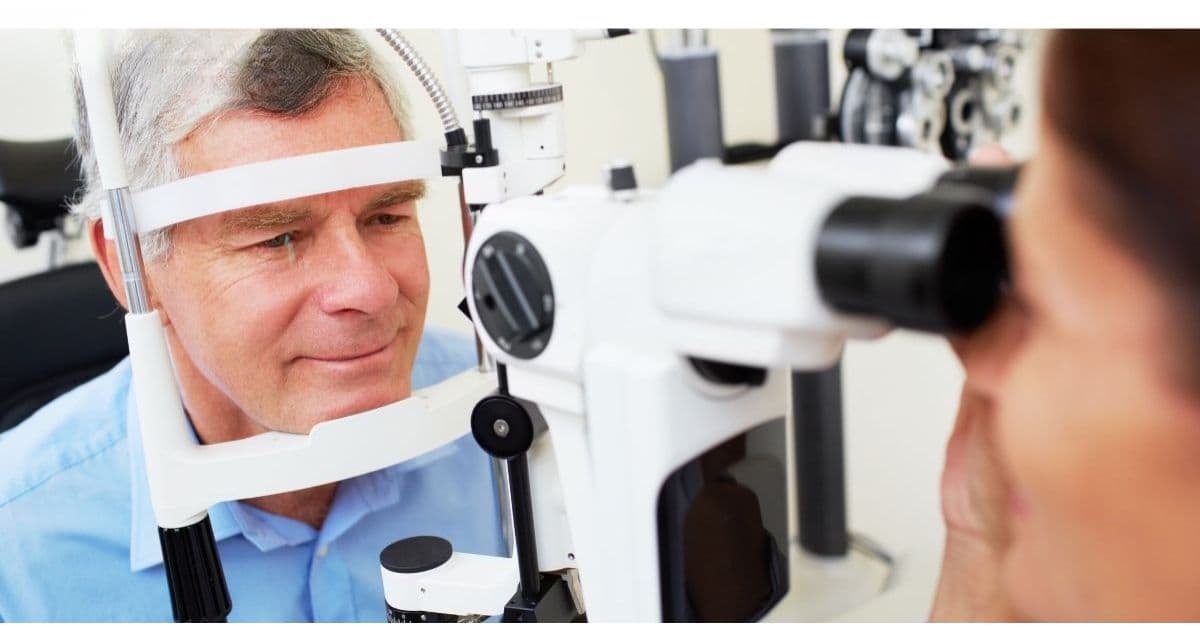
Early detection of macular degeneration is critical to slowing its progression. Eye specialists typically perform a comprehensive ophthalmological examination to diagnose AMD. Key diagnostic tools include:
- Visual acuity test: Measures the sharpness of central vision.
- Vision assessment at multiple distances: Evaluates how well each eye focuses at near and far distances.
- Tonometry: Measures intraocular pressure to rule out other eye conditions.
- Pupil dilation exam: Special eye drops enlarge the pupils to allow detailed examination of the retina and optic nerve.
- Amsler grid test: This simple tool helps detect early changes in central vision. Patients focus on a central dot and report any distortion or missing areas in the grid.
These assessments allow ophthalmologists to determine the stage and type of macular degeneration and to create an appropriate management plan.
Prognosis
The outlook for AMD varies depending on the type and severity. Dry macular degeneration usually progresses slowly and may not lead to severe disability. While central vision may be reduced, most patients retain functional peripheral vision and can continue daily activities with minimal adaptation.
Wet macular degeneration, however, carries a higher risk of significant central vision loss. Early intervention is crucial in these cases to preserve as much vision as possible. Advances in medical research, including therapies targeting abnormal blood vessel growth and innovative cellular treatments, offer hope for better outcomes.
Current Research and Treatments
Medical research into AMD is ongoing. Scientists are investigating genetic factors that contribute to the disease, aiming to develop personalized treatment strategies. Promising experimental approaches include the transplantation of healthy retinal cells to replace damaged ones, potentially restoring vision or preventing further deterioration.
Nutritional interventions and lifestyle changes also play a significant role in managing AMD. Diets rich in antioxidants, omega-3 fatty acids, and vitamins C and E have been shown to support retinal health. Quitting smoking, maintaining healthy blood pressure and cholesterol levels, and regular eye exams are essential preventive measures.
Conclusion
Age-related macular degeneration is a progressive eye condition that primarily affects central vision. While peripheral vision often remains intact, the loss of fine visual detail can significantly impact daily life. Understanding the types, causes, and risk factors associated with AMD is essential for early detection and effective management.
Although the disease cannot be fully cured at present, a combination of medical treatment, lifestyle adjustments, and ongoing research provides hope for preserving vision and maintaining quality of life. Regular eye examinations and attention to overall health remain the most effective strategies for managing this condition and slowing its progression.
Vau.ge – Your Daily Guide for Practical Advice!
Vau.ge is a place where caring for your health, beauty, and daily routines becomes a natural, accessible, and enjoyable experience. Our main goal is to provide you with reliable information about natural remedies, homemade recipes, and practical tips that help you live a healthier life, look better, and simplify your everyday tasks without unnecessary expenses.
Our tips are easy to incorporate into your everyday life — whether it’s skincare, haircare, health-boosting remedies, or small tricks to save time. This knowledge will not only improve your own life but also allow you to share the experience with others, giving more people the chance to live a balanced life naturally and economically.
Please note: The articles on our website are for informational purposes only and do not replace professional medical advice. If you have serious health concerns, please consult a qualified specialist.