







The proper functioning of every organ in the human body depends on healthy blood circulation. Blood delivers oxygen and nutrients to tissues, removes waste products, and supports the immune system. When this delicate balance is disrupted and blood becomes too thick or prone to clotting, serious health problems can arise. In severe cases, abnormal blood clotting may lead to life-threatening complications such as heart attacks, strokes, or blocked blood vessels.
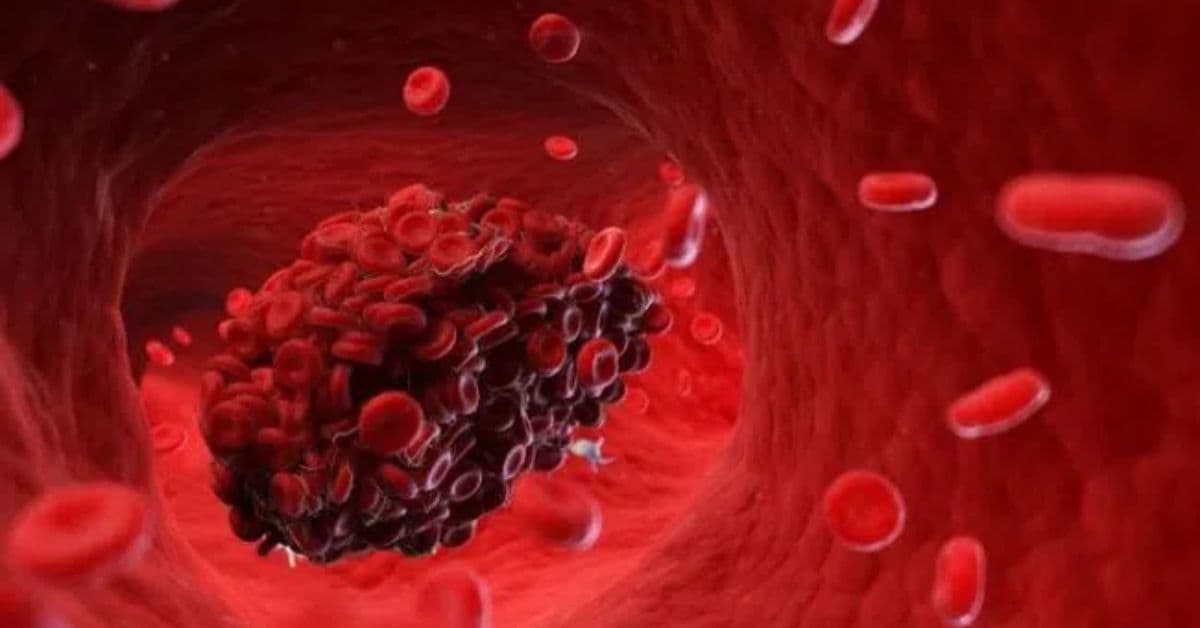
Blood clotting itself is not always harmful. In fact, it is a vital protective mechanism. When the body is injured, clotting helps stop bleeding and allows wounds to heal. Once healing is complete, the clot usually dissolves naturally. Problems begin when clotting becomes excessive or uncontrolled, interfering with normal blood flow.
Understanding Blood Circulation and Clotting
Blood is a liquid connective tissue that circulates through the body with the help of the heart’s pumping action. It flows through arteries, veins, and capillaries, supplying organs and tissues with oxygen, hormones, and essential nutrients. Blood consists of plasma, dissolved proteins, enzymes, ions, and various cells, each with a specific structure and function.
Healthy circulation depends on several factors, including the strength of the heart muscle, the elasticity and tone of blood vessels, and the viscosity—or thickness—of the blood. When blood becomes too viscous, it flows more slowly and may form dense masses that obstruct vessels. This creates a serious risk, as restricted blood flow can deprive organs of oxygen and lead to tissue damage.
Fortunately, the body has a complex, multi-component system designed to regulate blood clotting. This system involves proteins, enzymes, platelets, and ions that work together to maintain clotting at a physiological level. When functioning properly, it protects the body both from excessive bleeding and from dangerous clot formation.
When the Clotting System Fails
In some cases, congenital or acquired disorders can disrupt the body’s ability to regulate clotting. One well-known condition is hemophilia, in which the blood loses its ability to clot properly. Even minor injuries can cause severe bleeding in affected individuals.
On the opposite end of the spectrum are conditions characterized by increased clotting tendency. In these cases, the risk of thrombosis—the formation of blood clots inside blood vessels—is significantly higher. Such clots can partially or completely block blood flow, potentially leading to strokes, heart attacks, or pulmonary embolism.
Because of these risks, maintaining balanced blood viscosity is essential for long-term cardiovascular health. Alongside medical supervision when needed, dietary choices play an important supportive role.
The Role of Diet in Blood Thinning
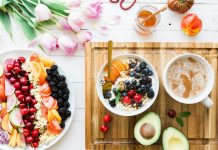
Certain natural foods contain compounds that help reduce platelet aggregation, improve blood vessel health, and support healthy circulation. These foods do not replace prescribed anticoagulant medications, but they can contribute to prevention and overall vascular well-being when consumed regularly as part of a balanced diet.
Natural Antibiotics and Anti-Clotting Foods
Garlic, olive oil, and onions are often described as natural antibiotics due to their powerful bioactive compounds. Garlic, in particular, has been shown to reduce platelet aggregation and support blood vessel elasticity. Olive oil, rich in healthy fats and antioxidants, helps reduce inflammation and supports cardiovascular function.
Tomatoes also deserve special mention. They contain compounds that effectively inhibit platelet aggregation, helping prevent clots from forming in the first place.
Fruits and Plant Compounds That Support Circulation
Grapes are rich in flavonoids such as quercetin, kaempferol, and myricetin, which are known for their strong blood-thinning and antioxidant effects. These compounds help protect blood vessels and improve circulation.
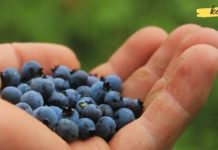
Berries, especially cranberries, are considered among the best fruits for preventing blood clots. They can be consumed fresh, dried, or as juice, providing protective benefits in various forms.
Vitamin-rich fruits such as grapefruit, pineapple, and pomegranate also contribute to improved circulation. Pineapple contains bromelain, an enzyme that may help reduce clot formation, while pomegranate supports vascular health through its antioxidant properties.
Essential Vitamins and Healthy Fats
Vitamin E plays a crucial role in preventing oxidative damage to blood vessels. By reducing oxidation, it helps maintain vessel elasticity and proper blood flow. Foods rich in vitamin E include avocados, kiwi, almonds, broccoli, and other green vegetables.
Omega-3 fatty acids are another key component in blood thinning. They reduce platelet activity and inflammation, making clots less likely to form. Rich natural sources include walnuts, fatty fish, and pumpkin seeds.
Vitamin C also contributes to blood vessel health by strengthening vessel walls and supporting collagen production. A strong vascular structure is essential for maintaining proper circulation and preventing damage.
Spices and Herbs with Powerful Effects
Several commonly used spices possess surprisingly strong blood-thinning properties. Turmeric contains curcumin, an active compound known to inhibit clot formation and reduce inflammation throughout the body.
Ginger is another powerful natural aid. It contains salicylates—compounds similar to those found in aspirin—which may help reduce the risk of stroke and improve circulation. Regular, moderate consumption of ginger can support cardiovascular health in a natural way.
Cinnamon contains coumarin, a chemical compound that acts as a natural anticoagulant. In addition to thinning the blood, cinnamon may help lower blood pressure, further supporting heart health.
Cayenne pepper is rich in salicylates as well and has strong blood-thinning effects. It also helps improve circulation by stimulating blood flow and warming the body.
Additional Supportive Foods and Beverages
Beets are packed with nitrates, which help improve blood flow and support heart health. By enhancing nitric oxide production, beets can reduce blood pressure and decrease clotting risk.
Green leafy vegetables such as lettuce and broccoli provide essential nutrients that support overall cardiovascular health when consumed in balanced amounts.
Dark chocolate, when eaten in moderation, contains flavonoids that help improve blood flow and reduce platelet stickiness.
Nuts such as walnuts, almonds, cashews, pistachios, and Brazil nuts offer a combination of healthy fats, minerals, and antioxidants that support circulation.
Certain beverages also contribute to blood-thinning effects. Green tea is rich in antioxidants, while grape juice, cranberry juice, and pineapple juice provide natural compounds that help prevent clot formation.
A Balanced Approach to Blood Health
While natural foods can play a supportive role in maintaining healthy blood viscosity, they should be part of a broader lifestyle approach. Regular physical activity, adequate hydration, stress management, and medical checkups are all essential components of cardiovascular health.
People with diagnosed clotting disorders or those taking anticoagulant medications should always consult a healthcare professional before making significant dietary changes. Natural blood-thinning foods can enhance prevention, but they should be used responsibly.
Conclusion
Blood health is fundamental to overall well-being. When circulation flows freely and clotting remains balanced, organs receive the oxygen and nutrients they need to function optimally. By incorporating natural blood-thinning foods into your daily diet, you can support your body’s protective systems and reduce the risk of dangerous complications.
Nature provides powerful tools for maintaining health. When used wisely, these foods offer a gentle yet effective way to support circulation, protect blood vessels, and promote long-term cardiovascular balance.
Vau.ge – Your Daily Guide for Practical Advice!
Vau.ge is a place where caring for your health, beauty, and daily routines becomes a natural, accessible, and enjoyable experience. Our main goal is to provide you with reliable information about natural remedies, homemade recipes, and practical tips that help you live a healthier life, look better, and simplify your everyday tasks without unnecessary expenses.
Our tips are easy to incorporate into your everyday life — whether it’s skincare, haircare, health-boosting remedies, or small tricks to save time. This knowledge will not only improve your own life but also allow you to share the experience with others, giving more people the chance to live a balanced life naturally and economically.
Please note: The articles on our website are for informational purposes only and do not replace professional medical advice. If you have serious health concerns, please consult a qualified specialist.