









Most smokers are well aware of how harmful nicotine is. We hear about its dangers constantly—from doctors, media campaigns, and even the warning labels on cigarette packs. We also know that modern tobacco products contain far more toxic substances than they did twenty or thirty years ago. Despite this awareness, quitting smoking remains extremely difficult for many people. Addiction is not only physical but deeply psychological, intertwined with daily routines, stress relief, and emotional habits.
For a long time, I found myself trapped in this cycle. Every morning began with violent coughing fits that left my chest tight and my throat burning. Because I left for work earlier than the rest of my family, my coughing often woke everyone in the house. It became a source of guilt and frustration, but even that wasn’t enough to make me stop smoking.
The turning point came unexpectedly. One morning, I noticed the frightened and confused look on my four-year-old grandchild’s face as they watched me struggle to breathe through another coughing attack. In that moment, I realized that my habit was no longer harming only me. I knew then that I had to put an end to it—no excuses, no delays.
Why Nicotine Addiction Is So Hard to Break
Nicotine addiction affects both the brain and the respiratory system. Over time, smoking irritates the airways, damages lung tissue, and leads to chronic inflammation. This is why many smokers suffer from persistent morning coughs, wheezing, and shortness of breath. These symptoms are often associated with smoker’s chronic bronchitis, a condition that gradually worsens if smoking continues.
At the same time, nicotine alters brain chemistry by stimulating dopamine release. This creates a sense of temporary pleasure and relief, which the brain quickly learns to crave. When nicotine levels drop, irritability, anxiety, and a strong urge to smoke appear. Breaking this cycle requires not only willpower but also support for the lungs and nervous system.
A Herbal Infusion That Supports the Lungs and Reduces Cough
With the help of close friends and relatives, I discovered a traditional herbal infusion that has long been used to ease chronic cough and support respiratory health in smokers. While it is not a “miracle cure,” many people report noticeable relief from spasmodic coughing and a gradual reduction in nicotine cravings.
To prepare this infusion, crushed elecampane root is combined with dried nettle leaves and infused in boiling water for several hours. When consumed regularly after meals, the drink helps soothe irritated airways, promotes mucus clearance, and reduces inflammation in the bronchial tubes.
This herbal preparation is considered beneficial for various types of spasmodic cough, not only those caused by smoking. After several days of use, many smokers notice that their morning coughing becomes less intense and breathing feels easier. This physical relief often makes the idea of quitting smoking feel more achievable.
Eucalyptus and Plantain: Natural Allies in Quitting Smoking
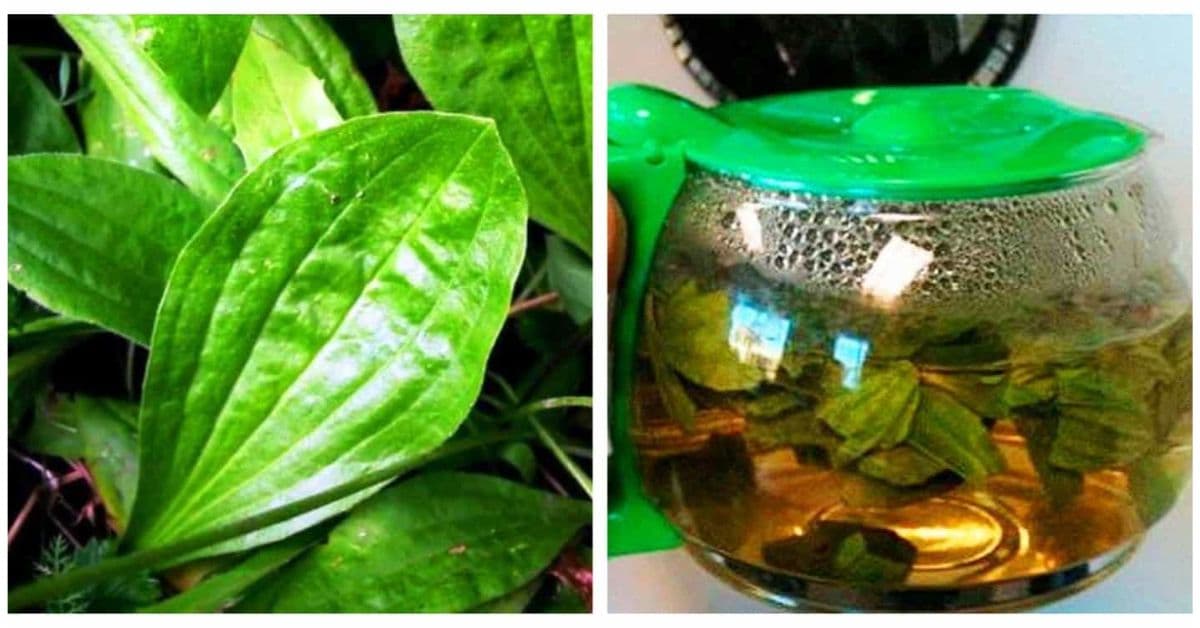
Another powerful natural approach involves eucalyptus leaves and plantain, two plants well known in traditional medicine for their effects on the respiratory system. Eucalyptus is valued for its antiseptic, anti-inflammatory, and expectorant properties. It helps clear the airways, reduces irritation, and makes breathing more comfortable—especially important during the first weeks of quitting smoking.
An infusion made from eucalyptus leaves, combined with honey and glycerin, is traditionally taken several times a day over the course of a few weeks. During the first days of this regimen, it is recommended to avoid salty foods, smoked products, and heavy meat dishes, as they can irritate the respiratory tract and slow recovery.
Many people report that this preparation not only improves breathing but also weakens the desire to smoke by reducing chest discomfort and throat irritation—two sensations that smokers often try to “relieve” with cigarettes.
Reducing Cravings Through Taste and Sensory Changes
One of the most effective ways to weaken nicotine dependence is to change how the body perceives smoking. When the taste or smell of cigarettes becomes unpleasant, cravings naturally decrease. A simple but effective method involves rinsing the mouth with a mild baking soda solution whenever the urge to smoke appears. This alters taste receptors and can make cigarette smoke feel harsh and unpleasant.
In addition, a traditional tincture made from young plantain leaves has been used to create a strong aversion to smoking. The tincture is prepared by steeping fresh leaves in alcohol and allowing them to infuse in sunlight for several weeks. Once ready, a few drops are placed onto a sugar cube and slowly dissolved in the mouth whenever a craving arises.
Over time, many people find that cigarettes no longer bring pleasure. Instead, the smell of smoke becomes irritating, and in some cases even causes nausea. This reaction is highly individual, but for many, it plays a key role in breaking the psychological attachment to smoking.
Supporting the Body During the Quitting Process
Quitting smoking is a significant stress for the body. As nicotine levels drop, the lungs begin to clear accumulated toxins, which can temporarily increase coughing and discomfort. Herbal infusions, proper hydration, and a lighter diet help the body adapt more smoothly during this phase.
Equally important is emotional support. Family encouragement, personal motivation, and a clear reason for quitting—such as protecting loved ones—greatly increase the chances of success. When physical symptoms are eased and cravings become manageable, the mental struggle also becomes less overwhelming.
A Healthier Life Without Cigarettes Is Possible
Many smokers believe that quitting will mean constant suffering and unbearable cravings. However, with the right support—both natural and emotional—the process can become far more manageable. Traditional remedies that support the lungs, reduce inflammation, and alter the perception of cigarette smoke can play a valuable role in this journey.
While these methods are not a substitute for medical advice, they have helped many people take their first steps toward a smoke-free life. The most important decision is the willingness to change. Once that decision is made, the body often responds faster and more positively than expected.
A life without cigarettes means easier breathing, quieter mornings, more energy, and—most importantly—the chance to be present and healthy for the people who matter most.
Vau.ge – Your Daily Guide for Practical Advice!
Vau.ge is a place where caring for your health, beauty, and daily routines becomes a natural, accessible, and enjoyable experience. Our main goal is to provide you with reliable information about natural remedies, homemade recipes, and practical tips that help you live a healthier life, look better, and simplify your everyday tasks without unnecessary expenses.
Our tips are easy to incorporate into your everyday life — whether it’s skincare, haircare, health-boosting remedies, or small tricks to save time. This knowledge will not only improve your own life but also allow you to share the experience with others, giving more people the chance to live a balanced life naturally and economically.
Please note: The articles on our website are for informational purposes only and do not replace professional medical advice. If you have serious health concerns, please consult a qualified specialist.