














It is almost impossible to imagine modern life without mobile phones. These devices have become our constant companions, helping us stay connected with the outside world, plan our daily tasks, express ourselves, and enjoy entertainment at any moment. From morning alarms to late-night messages, our phones are always within reach. However, while we rely on them so heavily, very few people stop to think about what else they are carrying besides notifications and contacts.
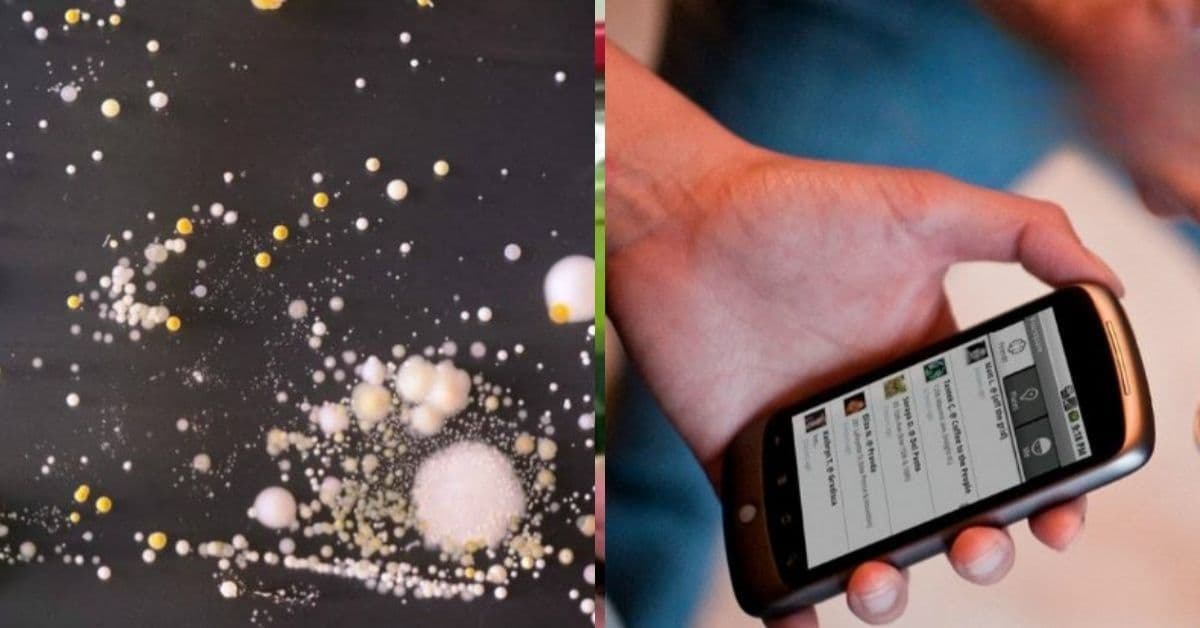
Unfortunately, mobile phones are also perfect breeding grounds for bacteria. Their surfaces come into contact with our hands, faces, tables, public transport seats, gym equipment, and countless other objects every single day. As a result, they quietly accumulate a surprising number of microorganisms, many of which may pose a real risk to human health.
The Hidden Harm of Mobile Phones
The harm caused by mobile phones is usually discussed in terms of screen addiction, eye strain, or sleep disruption. Yet one of the most overlooked dangers is biological contamination. Studies have shown that the surface of a mobile phone can host more bacteria than many everyday objects we consider dirty, including door handles and public restroom surfaces.
The warmth generated by the phone, combined with constant handling, creates an ideal environment for bacteria to survive and multiply. Because phones are rarely cleaned properly, microbes can remain on screens and cases for long periods of time, transferring easily from one surface to another and eventually to our skin, mouth, or eyes.
Why Cleaning Your Phone Screen Is Essential
An experiment conducted at the University of Surrey confirmed the importance of regularly cleaning mobile phone screens and cases. Researchers wanted to demonstrate how much microbial life could be found on personal electronic devices that people use every day without giving much thought to hygiene.
Under controlled laboratory conditions, students were asked to examine the surfaces of their devices using special culture media designed to grow bacteria. What they discovered was both fascinating and alarming. Within just a few days, clear colonies of bacteria appeared, showing that mobile phones were far from clean.
Bacteria Found on Mobile Phones
Dr. Simon Park, a microbiologist involved in the study, explained that while many of the microorganisms found on phones are harmless, there are also potentially dangerous bacteria present. Among them, researchers identified Staphylococcus aureus on several devices.
This bacterium is known to cause a range of health problems, from mild skin infections to serious conditions such as meningitis, pneumonia, and osteomyelitis. While not every contact with Staphylococcus aureus will lead to illness, repeated exposure increases the risk, especially for people with weakened immune systems, children, and the elderly.
Dr. Park emphasized that mobile phones do more than store phone numbers and photos. According to him, they also store a detailed “history” of our physical contact with other people, surfaces, and environments. Every handshake, shared object, and public surface leaves invisible traces behind.
Touchscreen Phones vs. Button Phones
The study also revealed an interesting difference between older button-style phones and modern touchscreen devices. In phones with physical keyboards, bacteria tend to accumulate between the buttons, where dirt and moisture are trapped. In touchscreen phones, however, the main weak point is the screen itself.
Because users constantly swipe, tap, and scroll, the screen becomes the primary area where bacteria gather. It is also the part of the phone that frequently comes into direct contact with the face, especially during phone calls, making the transfer of microbes even more likely.
How to Protect Yourself from Harmful Bacteria
The most effective way to protect yourself from phone-related bacteria is regular cleaning. Using specially designed disinfectant solutions or wipes made for electronic devices can significantly reduce the number of microorganisms on your phone’s surface. Cleaning should include both the screen and the phone case, as bacteria can easily move between them.
In addition to cleaning, developing simple habits can make a difference. Avoid using your phone while eating, in the bathroom, or in medical settings. Washing your hands regularly also reduces the number of bacteria transferred to your device in the first place. While these steps may seem small, together they can greatly lower your exposure to harmful microbes.
What Is Staphylococcus?
Staphylococcus is a group of bacteria with a spherical shape, belonging to the category of gram-positive, non-motile cocci. In many cases, Staphylococcus bacteria are considered part of the body’s normal microflora, meaning they naturally live on human skin and mucous membranes without causing harm.
However, there are also pathogenic strains of Staphylococcus. When these bacteria enter the body through cuts, wounds, or weakened skin barriers, they can cause infections. Some strains are particularly aggressive and resistant to antibiotics, making them a serious concern in medical environments.
Staphylococcus bacteria are widely distributed in nature. They can be found on surfaces, in the air, and on everyday objects, including mobile phones. This widespread presence is why hygiene plays such a critical role in preventing infection.
Why Awareness Matters
The goal of research like the University of Surrey experiment is not to create fear but to raise awareness. Most of the bacteria living on our phones will not make us sick. However, understanding that mobile devices can act as carriers of harmful microorganisms encourages more responsible behavior.
In today’s world, where phones are constantly in our hands, near our faces, and even placed on pillows or kitchen counters, ignoring hygiene can have unintended consequences. Simple preventive measures, such as regular cleaning and mindful use, can help protect both personal and public health.
Final Thoughts
Mobile phones have become indispensable tools in modern life, but they also come with hidden risks that many people overlook. The shocking truth is that these devices collect and carry a wide range of microbes, including potentially dangerous bacteria like Staphylococcus aureus.
By understanding how bacteria accumulate on phones and taking simple steps to reduce contamination, we can continue to enjoy the benefits of technology without compromising our health. Regular cleaning, good hand hygiene, and greater awareness are small efforts that can make a significant difference.
Your phone remembers your calls, messages, and photos—but it also remembers every surface you touch. Keeping it clean is not just about appearance; it is about protecting your health and peace of mind.
Vau.ge – Your Daily Guide for Practical Advice!
Vau.ge is a place where caring for your health, beauty, and daily routines becomes a natural, accessible, and enjoyable experience. Our main goal is to provide you with reliable information about natural remedies, homemade recipes, and practical tips that help you live a healthier life, look better, and simplify your everyday tasks without unnecessary expenses.
Our tips are easy to incorporate into your everyday life — whether it’s skincare, haircare, health-boosting remedies, or small tricks to save time. This knowledge will not only improve your own life but also allow you to share the experience with others, giving more people the chance to live a balanced life naturally and economically.
Please note: The articles on our website are for informational purposes only and do not replace professional medical advice. If you have serious health concerns, please consult a qualified specialist.