












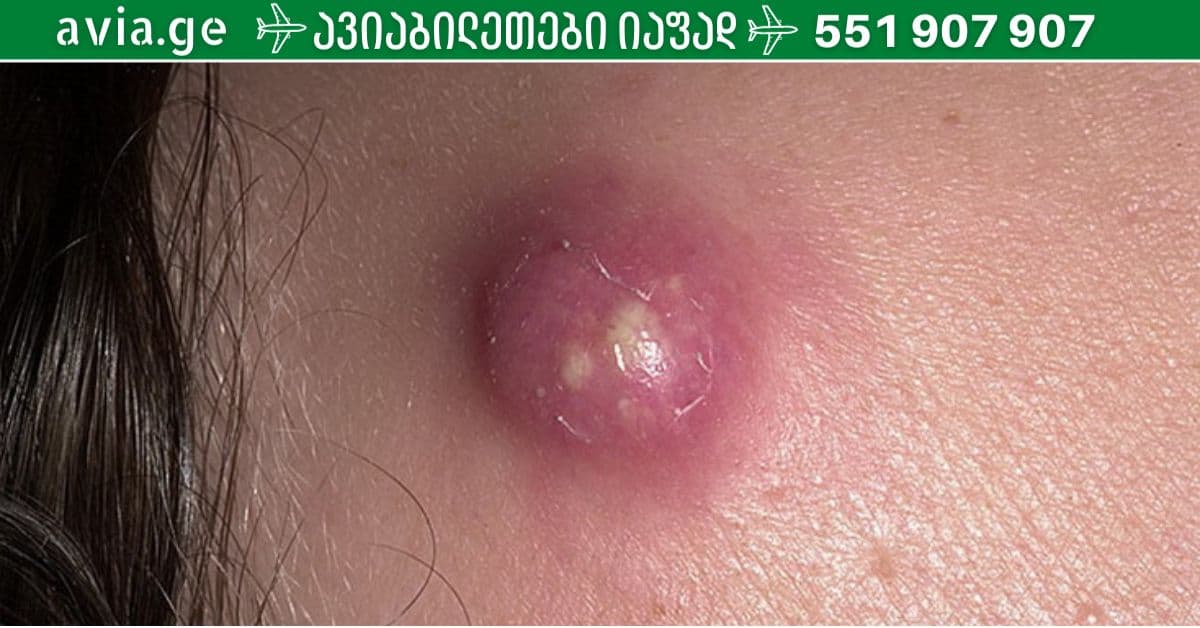
An atheroma is a cyst formed in the sebaceous glands of the skin. It typically appears as a rounded, soft, and elastic lump under the skin. While usually harmless in early stages, an atheroma can sometimes grow significantly, reaching diameters of 7 to 10 centimeters. Despite being mostly benign, these cysts can cause discomfort, cosmetic concerns, and, in some cases, complications if left untreated.
Diagnosis of an atheroma is based on a combination of clinical examination, ultrasound imaging, and, when necessary, histological analysis. Surgical removal of the cyst, including its formed capsule, is considered the most reliable method of treatment. This approach significantly reduces the risk of recurrence. In cases where cosmetic outcomes are particularly important, especially on the face, cyst removal via cystotomy may be recommended to minimize postoperative scarring.
General Information About Atheromas
Many patients seek medical help only after several years, when the cyst has grown large enough to become a visible cosmetic concern. Early detection is rare because atheromas generally do not cause pain or immediate discomfort. They tend to be slow-growing, gradually becoming noticeable over time.
Although an atheroma is often considered a minor issue, the psychological and social impact of visible cysts should not be underestimated. Individuals with cysts on the face, neck, or other visible areas often experience embarrassment, which may prompt them to finally consult a doctor.
Causes and Risk Factors
The formation of an atheroma is associated with several factors:
- Structural characteristics of the sebaceous glands. Some people naturally have glands more prone to blockage or cyst formation.
- Mechanical skin damage. Cuts, abrasions, or repeated irritation can trigger cyst development.
- Environmental exposures. Individuals frequently exposed to ultraviolet or radioactive radiation may have a higher risk of developing atheromas.
While genetic and environmental factors play a role, lifestyle and skin care habits also influence the likelihood of cyst formation.
Pathogenesis: How Atheromas Develop
Despite their size, atheromas generally do not cause pain, itching, or nerve compression. As the cyst enlarges, the skin over it rises, creating a soft, elastic, rounded mass. Attempting to drain the cyst with a needle or by emptying its contents does not provide permanent relief. The cavity tends to refill with sebaceous secretions, as the underlying capsule remains intact.
Surgical removal that includes the cyst capsule is essential for preventing recurrence. Only by excising the entire structure can doctors ensure that the atheroma does not return.
Symptoms of Atheromas
Atheromas can develop on any part of the body containing sebaceous glands. This includes the scalp, face, neck, upper back, and limbs. Cysts may form where the gland ducts open to the skin surface or alongside hair follicles.
Some atheromas remain small and asymptomatic, while others grow larger, causing pressure or irritation, especially when in constant contact with clothing or accessories. On the scalp, cysts can be singular or multiple and may be subjected to repeated mechanical irritation, which can exacerbate their growth or lead to inflammation.
Potential Complications
The most common complication of an atheroma is secondary infection. If bacteria enter the cyst, it can lead to inflammation, redness, pain, and even systemic symptoms in severe cases. Such situations require urgent medical attention.
Although rare, a completely blocked atheroma can pose additional risks. The cyst contents may attempt to mechanically extrude through the skin, causing local tissue damage. The cyst capsule typically contains the inflammatory process, but untreated infection may expand beyond the capsule, complicating treatment.
Diagnosis and Treatment
Atheromas are diagnosed based on a combination of physical examination, ultrasound imaging, and, in uncertain cases, histological studies. The main treatment is surgical removal, which involves excising the cyst along with its capsule. This approach is crucial for preventing recurrence.
For cosmetic reasons, particularly on the face, surgeons may opt for a cystotomy technique to minimize scarring. In all cases, proper post-operative care is essential to ensure complete healing and maintain skin aesthetics.
Prognosis and Prevention
Timely consultation with a dermatologist or cosmetologist is key to preventing atheroma development. Any changes in skin or hair health should prompt early medical evaluation. Young people with acne, seborrhea, or naturally oily skin are particularly prone to cyst formation and should maintain proper skin care routines to reduce risk.
In cases of existing atheromas, hormonal assessment may be necessary to identify underlying imbalances that contribute to sebaceous overactivity. Correcting these imbalances, when present, can prevent further cyst formation.
Lifestyle modifications can also reduce the likelihood of developing new cysts. Avoiding traumatic hair removal methods such as waxing or sugaring in favor of laser hair removal helps reduce skin injury and irritation. Additionally, limiting sun exposure and avoiding tanning beds can protect sensitive skin and sebaceous glands from excessive stress.
Conclusion
Atheromas are common sebaceous cysts that can cause cosmetic concerns and, occasionally, complications. While they are mostly benign, proper monitoring, early detection, and appropriate treatment are essential for preventing recurrence and ensuring good skin health.
Surgical removal remains the most effective solution, especially when combined with preventive measures such as maintaining skin hygiene, avoiding mechanical trauma, and correcting hormonal imbalances. With early intervention and responsible care, the appearance of atheromas can be minimized, discomfort avoided, and overall skin health preserved.
Vau.ge – Your Daily Guide for Practical Advice!
Vau.ge is a place where caring for your health, beauty, and daily routines becomes a natural, accessible, and enjoyable experience. Our main goal is to provide you with reliable information about natural remedies, homemade recipes, and practical tips that help you live a healthier life, look better, and simplify your everyday tasks without unnecessary expenses.
Our tips are easy to incorporate into your everyday life — whether it’s skincare, haircare, health-boosting remedies, or small tricks to save time. This knowledge will not only improve your own life but also allow you to share the experience with others, giving more people the chance to live a balanced life naturally and economically.
Please note: The articles on our website are for informational purposes only and do not replace professional medical advice. If you have serious health concerns, please consult a qualified specialist.