














Foot odor is a surprisingly common issue that affects people of all ages and lifestyles. For some, it appears occasionally after long hours in closed shoes; for others, it becomes a persistent, embarrassing problem that affects confidence and daily comfort. Whether it is caused by excessive sweating, bacteria, synthetic footwear, or hormonal changes, unpleasant odor can feel difficult to manage. Fortunately, there are natural, affordable solutions that many people find both effective and gentle on the skin.
If you prefer remedies made from simple household ingredients rather than chemical-filled products, the three methods below may help you significantly reduce unpleasant odor within about a week. These approaches work by targeting bacteria, reducing moisture, and creating a healthier environment for your skin.
Understanding Why Foot Odor Happens
Before turning to solutions, it helps to understand why foot odor occurs in the first place. Contrary to popular belief, sweat itself does not smell. The unpleasant scent appears when sweat meets the bacteria that naturally live on the skin. Feet provide the perfect conditions for this interaction: warmth, moisture, and darkness, especially inside shoes and socks.
Certain factors make the problem worse: wearing the same pair of shoes every day, synthetic materials that do not breathe, hormonal changes, stress sweating, and fungal or bacterial overgrowth. Because the issue is almost always related to bacteria, remedies that cleanse, rebalance, and purify the skin tend to offer relief.
The following three natural methods work in different ways but share the same goal: creating a cleaner, less hospitable environment for odor-causing microbes.
Apple Cider Vinegar: A Natural Antibacterial Solution
Apple cider vinegar has long been appreciated for its ability to inhibit bacteria and restore the skin’s natural acidity. Since foot odor is often caused by bacterial activity, vinegar creates conditions that make it harder for those bacteria to survive. The result is fresher, cleaner feet and a noticeable reduction in odor.
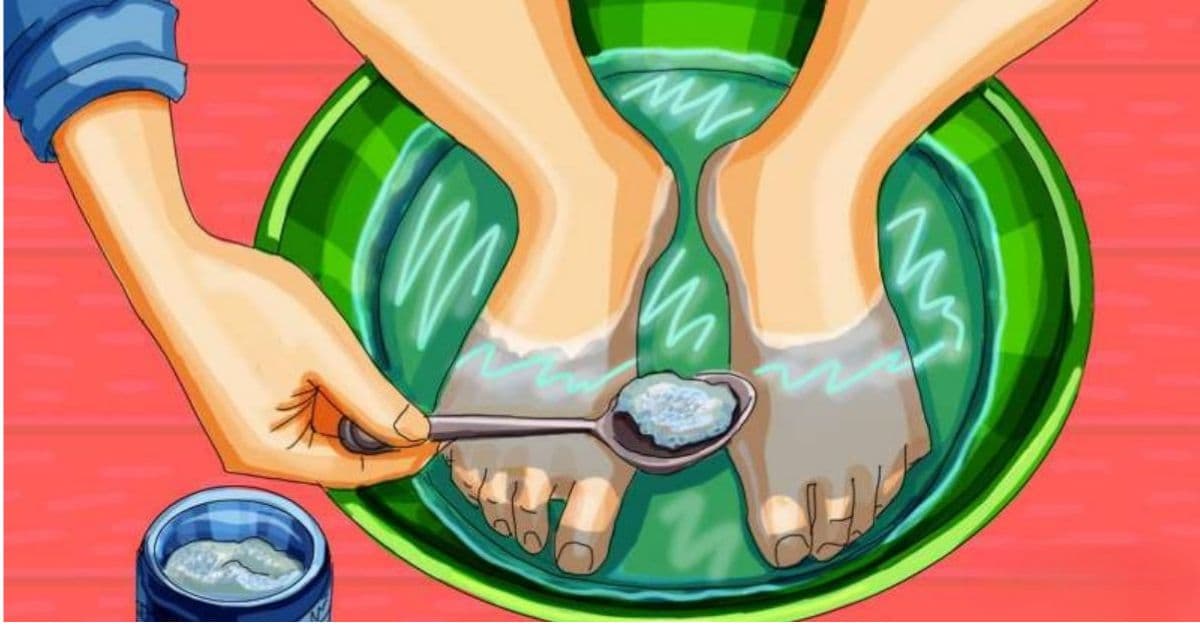
To use this method, prepare a foot bath by pouring six to eight cups of hot water into a basin. Add half a cup of apple cider vinegar and mix well. Soak your feet in this warm solution for about ten to fifteen minutes. The heat helps relax the feet and open the pores, while the vinegar penetrates the surface layers of the skin, helping to break down bacteria and balance pH levels.
After soaking, wash your feet with a mild soap to remove any residual acidity and dry them thoroughly. Consistent dryness is essential because moisture allows bacteria to flourish. People who use this method regularly often report softer skin, fewer odor issues, and even reduced fungal problems around the toes.
What makes vinegar especially appealing is its simplicity. It is inexpensive, widely available, and easy to blend into a soothing foot bath at home. With continued use throughout the week, many individuals notice a significant difference in the freshness of their feet.
Baking Soda: A Gentle Way to Neutralize Odor
Baking soda is another powerful natural ingredient known for its ability to neutralize unpleasant smells. Unlike products that only mask odors, baking soda works by balancing the pH of the skin, reducing moisture, and discouraging bacterial growth. Because it is mild and non-irritating for most people, it is one of the most popular home remedies for persistent foot odor.
To prepare a baking soda soak, fill a basin with water and add one tablespoon of baking soda for every liter of water. Stir the mixture so the soda dissolves completely, then submerge your feet for fifteen to twenty minutes. This process can be done every evening, especially if the odor is strong or long-standing.
The soak helps soften the skin, absorb excess moisture, and create an environment where bacteria struggle to thrive. Over time, this reduces both odor and discomfort. Additionally, baking soda can gently exfoliate dead skin cells that tend to trap sweat and bacteria.
People who incorporate this routine into their nightly self-care often find it relaxing. The warmth of the water relieves tension after a long day, while the soda works quietly to freshen and restore the feet. After each soak, the feet should be rinsed lightly and dried thoroughly, paying special attention to the spaces between the toes.
Ginger: A Warming Antibacterial Root With Impressive Benefits
Ginger may seem like an unusual remedy for foot odor, but this aromatic root has strong traditional uses in many healing systems. It is known for its warming nature, circulation-boosting qualities, and natural antibacterial properties. These characteristics make it useful for reducing the growth of odor-causing microbes and improving overall foot health.
To use ginger for foot odor, begin by preparing a small amount of ginger purée. Take a medium-sized piece of fresh ginger root, peel it, and grind or blend it into a paste. Transfer this purée to one cup of hot water and allow it to steep for ten to fifteen minutes. The water will absorb the oils and active compounds from the ginger, creating a fragrant, slightly spicy infusion.
Once the mixture has steeped long enough, strain it through a coffee filter or fine cloth to remove any solids. The remaining liquid is your massage solution. Each night before bed, massage this warm ginger infusion into your feet, especially around the soles and toes. The warmth helps stimulate circulation, while the antibacterial properties work to reduce the microbes that contribute to odor.
This treatment is traditionally repeated for two weeks. Over time, many people report fresher, smoother feet and a noticeable decline in odor. The nightly massage also improves relaxation, making it a soothing ritual before sleep.
Additional Tips to Maximize Results
While these three natural methods can be highly effective, pairing them with good foot care habits enhances the results. Simple adjustments—such as wearing breathable socks, rotating your shoes, keeping feet completely dry after bathing, and choosing footwear made from natural materials—can greatly reduce the conditions that cause odor.
These practices, combined with the remedies above, help create long-term freshness and comfort.
Final Thoughts
Foot odor is a manageable problem, even though it can feel unpleasant or embarrassing. Natural ingredients such as apple cider vinegar, baking soda, and ginger offer gentle yet effective ways to combat bacteria, reduce moisture, and restore a sense of cleanliness. With consistent use, many individuals notice improvement within about a week.
These remedies are simple, inexpensive, and soothing—a perfect combination for anyone looking to address foot odor without harsh chemicals or complicated routines. By adopting these methods and maintaining healthy foot hygiene, you can regain confidence and enjoy a fresher, more comfortable daily life.
Vau.ge – Your Daily Guide for Practical Advice!
Vau.ge is a place where caring for your health, beauty, and daily routines becomes a natural, accessible, and enjoyable experience. Our main goal is to provide you with reliable information about natural remedies, homemade recipes, and practical tips that help you live a healthier life, look better, and simplify your everyday tasks without unnecessary expenses.
Our tips are easy to incorporate into your everyday life — whether it’s skincare, haircare, health-boosting remedies, or small tricks to save time. This knowledge will not only improve your own life but also allow you to share the experience with others, giving more people the chance to live a balanced life naturally and economically.
Please note: The articles on our website are for informational purposes only and do not replace professional medical advice. If you have serious health concerns, please consult a qualified specialist.