














Water is the simplest and most essential substance our bodies rely on. It consists of just two elements—hydrogen and oxygen—represented by the familiar formula H₂O. Despite its simplicity, water plays a profoundly complex and irreplaceable role in maintaining human health. Approximately 70% of the human body is composed of water, and every cell, tissue, and organ depends on proper hydration to function effectively.
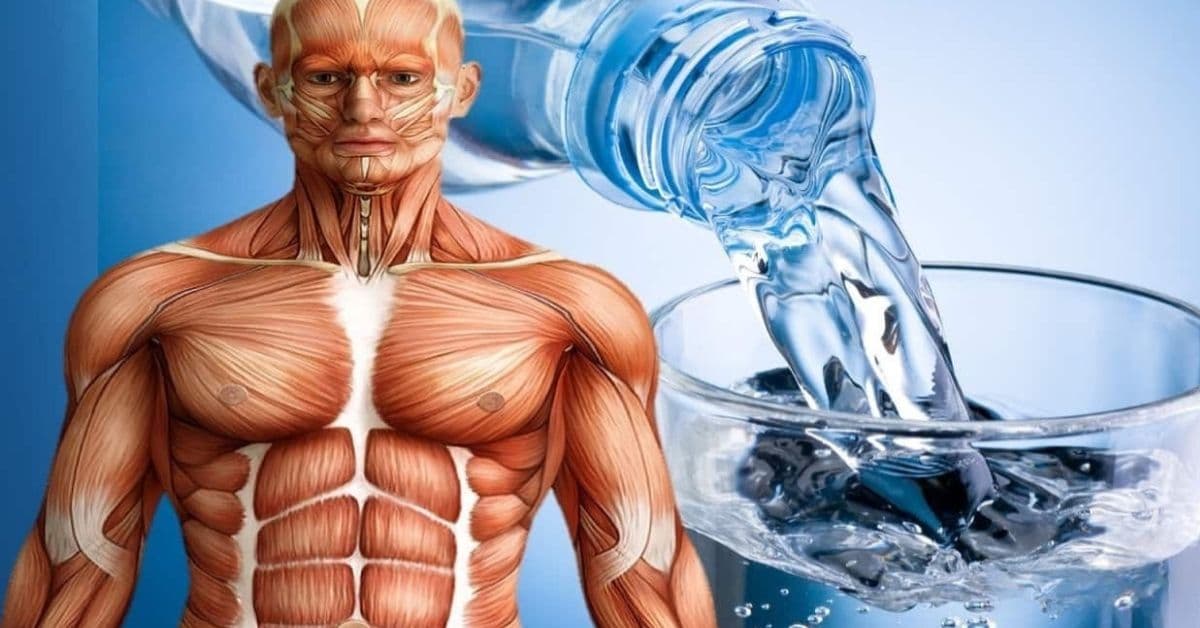
While drinking water throughout the day is undeniably important, many people believe that drinking water first thing in the morning, on an empty stomach, provides additional benefits. This practice, common in several cultures including Japan and China, has become popular for those seeking a gentle and natural way to support their daily well-being.
This article explores the idea behind drinking water at the start of the day, the potential effects it may have on the body, and the reasons why so many people around the world choose to begin their morning with a glass—or several—of water.
Why Morning Hydration Matters
When we sleep, our bodies go for several hours without any water intake. Even if we do not feel acute thirst upon waking, mild dehydration can gradually build up overnight. Drinking water in the morning helps the body restore its balance, rehydrate the tissues, and prepare the digestive system for the day ahead.
Hydration also influences mood, energy levels, concentration, and metabolic processes. People who start their morning with water often describe feeling more awake, balanced, and refreshed—without relying solely on caffeinated drinks.
Supporting the Digestive System
One of the most frequently mentioned reasons for drinking water on an empty stomach is its potential effect on digestion. Morning hydration helps “wake up” the digestive tract, encouraging the body to begin its natural processes smoothly.
Warm or room-temperature water is often preferred by those who follow this practice. Some people believe that early hydration helps promote regularity and prepares the stomach for food intake later in the morning. While scientific evidence varies, many individuals personally report improved comfort and easier digestion when they begin their day with water.
In traditional wellness practices—especially in Japan—this method is considered a gentle daily cleansing ritual that may help the body feel lighter and more balanced.
The Japanese Morning Water Ritual
Japan is particularly known for this custom, often referred to as Japanese Water Therapy. The practice involves drinking several glasses of water immediately after waking up, followed by waiting a set period before eating breakfast. While the exact method can differ, the underlying idea remains the same: to support the body’s internal functions through structured hydration.
Japanese practitioners often claim that drinking water first thing in the morning helps boost overall well-being. They also believe it supports gastrointestinal health and helps the body maintain equilibrium. Although these claims should not be taken as medical guarantees, the method has gained international popularity for its simplicity, accessibility, and gentle approach to self-care.
How Much Water Should You Drink?
Some traditions encourage drinking up to eight glasses of water in the morning. While staying hydrated is indeed essential, it is not necessary—or even practical or comfortable—for everyone to drink that much at once. Hydration needs vary based on age, climate, physical activity, and individual health conditions.
A more realistic and generally comfortable approach is to start with one or two glasses and then increase the amount gradually if you feel it benefits you. The key point is to hydrate at a pace that feels natural to your body rather than forcing a specific quantity.
Most people find that drinking water 30–45 minutes before breakfast gives their digestive system time to settle before they begin eating.
Preparing the Body for Meals
Drinking water before meals can also help regulate appetite. Water naturally creates a sense of fullness, which may prevent overeating. Some people use this strategy to support mindful eating or weight-management goals.
Taking time to drink water before breakfast also encourages a slower, calmer start to the day. Rather than rushing to eat immediately upon waking, giving the body a few moments to hydrate and adjust can lead to healthier eating habits and more intentional food choices.
Hydration and Physical Activity
Another important moment to drink water is before and after exercise. When the body moves, sweats, and expends energy, it naturally loses water. Proper hydration helps maintain endurance, supports muscle function, and assists the body in regulating temperature.
Drinking water prior to exercise ensures that the body is prepared, while hydrating afterward replenishes what was lost and aids in recovery. Whether you engage in light stretching, walking, or heavier workouts, water is a crucial companion.
Water for Fatigue and Mental Clarity
People often underestimate how much dehydration contributes to feelings of tiredness. Even a slight decrease in hydration levels can affect concentration, mood, and alertness. Drinking water when you feel exhausted can provide a natural energy lift—not because water contains calories, but because proper hydration supports the body’s natural mechanisms.
Many individuals notice that when they hydrate consistently throughout the day, they experience improved concentration and reduced mental fog. Drinking water on an empty stomach can set this process in motion from the moment you wake up.
Hydration Throughout the Day
While morning hydration offers a strong foundation, drinking water only in the morning is not enough. The body needs consistent fluid intake to perform its many tasks—transporting nutrients, regulating temperature, supporting the organs, and keeping the skin healthy.
Rather than waiting to feel strongly thirsty, it is often better to sip water intermittently during the day. Keeping a water bottle nearby, enjoying herbal teas, or adding natural flavorings—such as lemon slices—can make hydration more enjoyable.
Practical Tips for Adopting This Routine
If you’re considering making morning hydration a daily habit, start slowly and listen to your body. Here are two gentle suggestions:
- Drink water 30–45 minutes before eating.
This gives your digestive system time to prepare for food and may help regulate your appetite. - Hydrate before and after exercise.
Supporting your body during movement helps maintain energy and overall comfort.
Beyond these small practices, drink water whenever your body signals that it needs it. Thirst, dryness, fatigue, and headaches can all be subtle reminders that your body is asking for hydration.
Final Thoughts
Drinking water on an empty stomach every morning is a simple ritual that many people around the world enjoy and value. While it is not a medical treatment and should not replace professional advice, it can be a refreshing and supportive way to begin the day. Morning hydration helps wake up the body, encourages mindful eating, supports energy levels, and lays the foundation for healthier daily habits.
Whether you choose to drink one glass or several, what matters most is consistency and listening to your body’s needs. Hydration is a form of self-care—one that is accessible, natural, and deeply beneficial in countless small ways.
Vau.ge – Your Daily Guide for Practical Advice!
Vau.ge is a place where caring for your health, beauty, and daily routines becomes a natural, accessible, and enjoyable experience. Our main goal is to provide you with reliable information about natural remedies, homemade recipes, and practical tips that help you live a healthier life, look better, and simplify your everyday tasks without unnecessary expenses.
Our tips are easy to incorporate into your everyday life — whether it’s skincare, haircare, health-boosting remedies, or small tricks to save time. This knowledge will not only improve your own life but also allow you to share the experience with others, giving more people the chance to live a balanced life naturally and economically.
Please note: The articles on our website are for informational purposes only and do not replace professional medical advice. If you have serious health concerns, please consult a qualified specialist.