














Sciatic nerve inflammation is one of the most debilitating forms of pain a person can experience. The sciatic nerve is the longest nerve in the human body, running from the lower spine all the way down to the feet. When it becomes irritated or compressed, the pain can radiate from the waist to the legs, even reaching the toes. Many people describe the discomfort as sharp, burning, or electrifying. Others experience numbness, heaviness, or a crawling sensation along the legs, making even simple movements uncomfortable.
Although sciatic nerve pain—often referred to as sciatica or lumbosacral radiculitis—is extremely common, many people do not know how to manage it safely and effectively. The good news is that, alongside proper medical care, several simple and natural techniques may help ease the pain and reduce inflammation. These methods are not a replacement for professional treatment but can serve as supportive care that often brings noticeable relief.
Why Sciatic Nerve Pain Happens
Before exploring supportive remedies, it is helpful to understand what actually triggers sciatic nerve inflammation. Several underlying conditions and lifestyle habits can contribute to the problem. The most common causes include:
- Herniated or slipped disc: When the soft tissue between the vertebrae protrudes, it can press on the sciatic nerve and cause intense pain.
- Diabetes: High blood sugar levels can damage nerves over time, making the sciatic nerve more vulnerable.
- Piriformis syndrome: When the piriformis muscle—located deep in the buttocks—tightens or spasms, it can compress the nerve.
- Viral infections, such as herpes: Some viruses can inflame nerve tissues.
- A sedentary lifestyle: Long hours of sitting restrict blood flow and weaken back muscles, increasing pressure on the lower spine.
- Obesity: Excess weight places additional strain on the spine and surrounding nerves.
- Frequent heavy lifting: Improper lifting techniques or repeated physical strain can damage spinal discs.
These factors vary from person to person, but they share one result: irritation of the sciatic nerve and the severe pain that follows.
Why You Shouldn’t Ignore the Symptoms
Some people attempt to “push through” the pain, hoping it will eventually fade. However, untreated sciatic nerve inflammation can lead to chronic discomfort, decreased mobility, or even temporary paralysis of the affected limb. Persistent numbness or weakness is also a sign that the nerve is under significant pressure.
Early intervention—both medical and supportive—is essential for a faster, safer recovery.
Effective Supportive Methods for Managing Sciatic Nerve Pain
While professional diagnosis is always the first step, many people find that incorporating natural home methods helps calm the inflammation and increase comfort. Below are several traditional techniques that have been used for generations to ease sciatic pain.
1. Hot and Cold Compress Therapy
Temperature therapy is one of the simplest and most accessible ways to reduce sciatic pain.
During the first two to three days, cold compresses are especially beneficial. Cold reduces inflammation, numbs the painful area, and limits nerve irritation. Wrap ice in a soft towel, place it on the lower back or buttock, and leave it for about twenty minutes. This can be repeated four to five times per day.
After the initial swelling calms down, warm compresses help relax tight muscles and improve blood circulation. Some people alternate hot and cold packs depending on the intensity of the pain, switching back to cold if the discomfort suddenly spikes.
This method is simple, but when used consistently, it can significantly ease the severity of symptoms.
2. Arnica for Local Relief
Arnica, a plant long valued in traditional herbal medicine, is known for its anti-inflammatory properties. Applying arnica tincture or ointment to the affected area may help reduce surface-level pain and swelling. Many herbal pharmacies carry arnica-based products intended specifically for muscle and nerve discomfort.
While arnica does not cure the underlying cause of sciatica, it often provides a soothing effect, especially when used alongside other methods.
3. The Power of Turmeric
Turmeric contains curcumin, a natural compound recognized for its strong anti-inflammatory action. Creating a simple mixture of turmeric powder and olive oil and applying it to the painful area may help relax the surrounding muscles and support nerve function. Allow the mixture to sit for about thirty minutes before washing it off.
Beyond external use, turmeric is widely consumed as a supplement or spice to help support overall joint and nerve health.
4. Apple Cider Vinegar Foot Bath
This traditional remedy is often praised for its warming, soothing effect. A foot soak with apple cider vinegar helps stimulate circulation throughout the legs and may ease pain along the sciatic nerve pathway.
The remedy is simple:
Warm water is poured into a large basin, followed by one handful of salt and half a liter of apple cider vinegar. The feet are soaked until the water cools. Afterward, it is important to dry the feet thoroughly and keep them warm throughout the night.
Some believe that maintaining warmth in the feet helps reduce nighttime nerve irritation. Even if the mechanism is not scientifically established, many people report feeling more relaxed after the practice.
5. Garlic Milk – A Traditional Internal Remedy
Garlic milk is a well-known natural preparation used in many cultures to reduce inflammation and strengthen the immune system. Garlic contains allicin, a compound known for its antimicrobial and anti-inflammatory benefits. Combined with turmeric, black pepper, and warm milk, it becomes a soothing drink that some find helpful during nerve pain episodes.
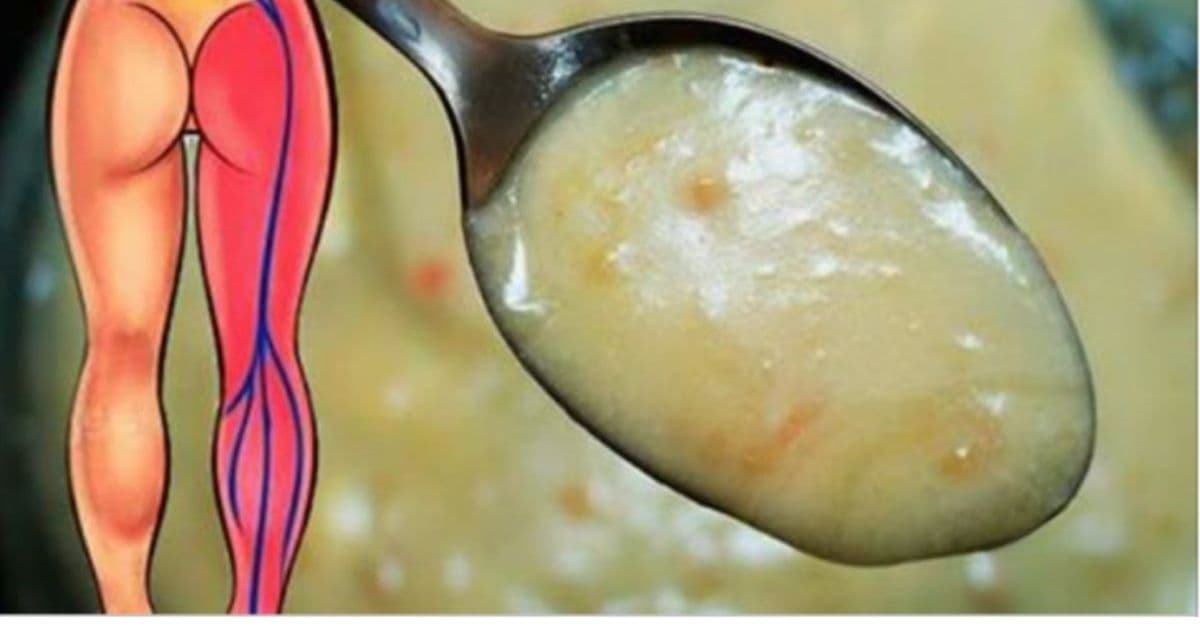
The preparation typically involves simmering chopped garlic with milk until thickened, blending it into a smooth mixture, and storing it in a sealed glass container. A small amount can be consumed before meals.
While it is not a medical treatment, garlic milk is often used as complementary support for overall nerve and muscle health.
A Gentle Reminder
All these methods can offer comfort, but they should never replace professional medical care, especially if the pain is severe, persistent, or accompanied by numbness or weakness. Sciatic nerve pain can be a sign of underlying conditions that require proper diagnosis.
Consider these methods as supportive tools—ways to ease daily discomfort, promote relaxation, and complement the treatment plan prescribed by a healthcare professional.
Vau.ge – Your Daily Guide for Practical Advice!
Vau.ge is a place where caring for your health, beauty, and daily routines becomes a natural, accessible, and enjoyable experience. Our main goal is to provide you with reliable information about natural remedies, homemade recipes, and practical tips that help you live a healthier life, look better, and simplify your everyday tasks without unnecessary expenses.
Our tips are easy to incorporate into your everyday life — whether it’s skincare, haircare, health-boosting remedies, or small tricks to save time. This knowledge will not only improve your own life but also allow you to share the experience with others, giving more people the chance to live a balanced life naturally and economically.
Please note: The articles on our website are for informational purposes only and do not replace professional medical advice. If you have serious health concerns, please consult a qualified specialist.